
ByChewie
Thriller Subgenres Explained: A Survival Guide
Thriller movie subgenres don’t rely on ghosts. They don’t need mythical beasts, cursed objects, or a soundtrack that shrieks every time a door closes. They’re quieter, colder — the sensation of being watched in broad daylight. They unsettle you because everything feels possible, and possibility is far scarier than fantasy.
This is the anatomy of the genre: thirteen thriller movie subgenres, thirteen distinct flavours of unease — the stories that make you check the door lock twice.
1. Psychological Thriller
Psychological thrillers unravel the mind one thought at a time. They’re layered with doubt, guilt, fractured memory, and the creeping suspicion that reality is slipping — or that it was never stable to begin with. These stories tighten slowly, blurring the line between internal threat and external danger until the two become indistinguishable.
The fear isn’t that someone is after you. It’s that you might be the problem.
Essential Psychological Thrillers:
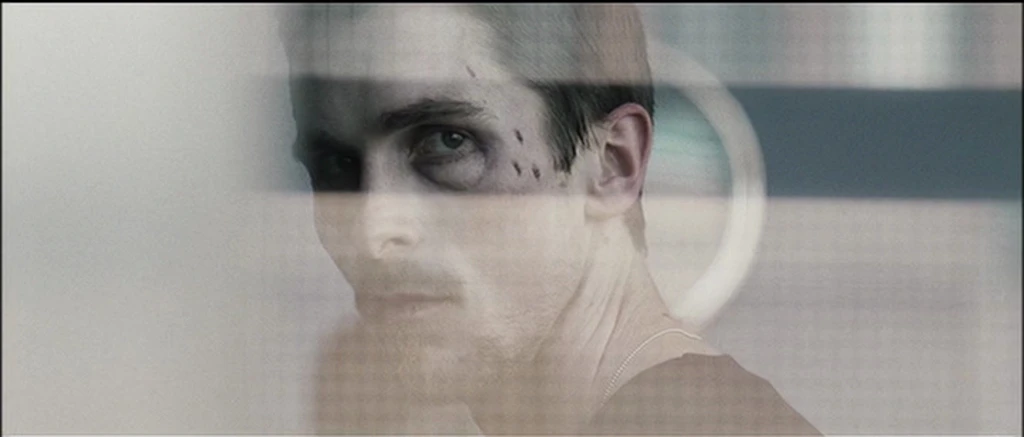
The Machinist • Black Swan • Enemy
If you haven’t seen The Machinist, this is the one to start with. Slow, suffocating, and impossible to shake.
Typical Tropes:
- Unreliable narrators
- Memory distortion
- Paranoia creeping under the surface
- Hallucinations that may be real
- Identity unravelling
- Mirror/double symbolism
2. Domestic Thriller
Domestic thrillers hide rot inside picture-perfect homes. The tension simmers in kitchens, lounges, and master bedrooms where the real horror isn’t supernatural — it’s emotional warfare under flattering downlights. Marriages crack. Strangers linger too long. Everyone insists things are “fine” as the walls close in.
This is horror disguised as normal life, which makes it the most believable kind.
Domestic Thriller Essentials:
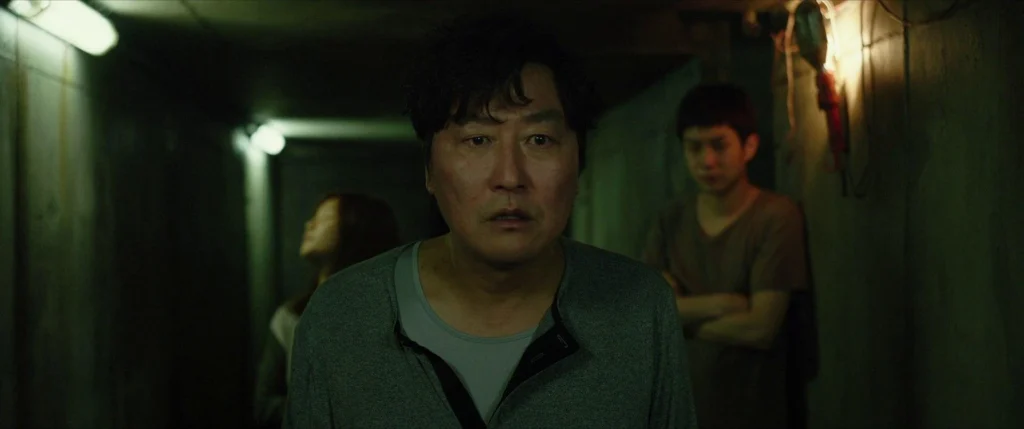
Parasite • Gone Girl • The Gift
If you haven’t started watching Korean cinema yet, start with Parasite. It will ruin other films for you.
Typical Tropes:
- Perfect homes masking chaos
- Class tension and social ambition
- Relationship manipulation
- Outsiders infiltrating the family unit
- Secrets behind closed doors
- The smiling villain
3. Crime Thriller
Crime thrillers thrive in the space between justice and survival. They’re soaked in bad weather, sleepless detectives, missing people, and moral lines rubbed out like chalk. The tension comes not from solving the case, but from realising what justice will cost — and who is willing to pay it.
Nobody gets out clean. Most don’t get out at all.
Crime Thriller Essentials:
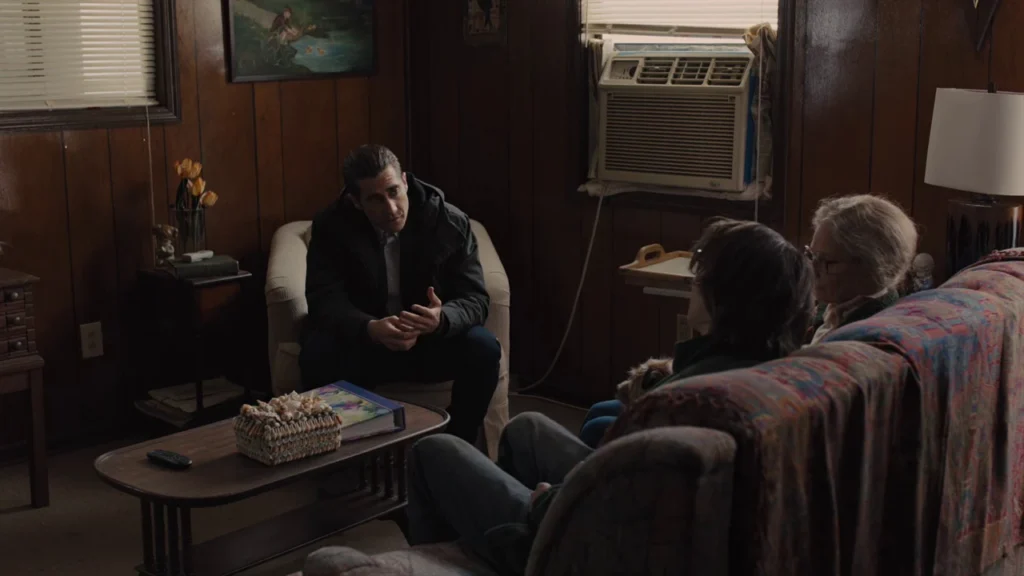
Prisoners • Zodiac • Memories of Murder
Prisoners is possibly the most morally uncomfortable film on this list. Watch it on a night when you don’t need to sleep.
Typical Tropes:
- Weather as emotional tone
- Obsessed detectives
- Red herrings that bruise
- Moral ambiguity
- Desperate families
- Unresolved endings
4. Serial Killer Thriller
Serial killer thrillers are ritualistic nightmares. Patterns, obsessions, breadcrumbs, and a predator who feels a few steps ahead. Sometimes the detective unravels faster than the case. Sometimes the villain understands the world too well.
Either way, these stories remind you monsters aren’t scary. Humans are.
Serial Killer Thriller Essentials:
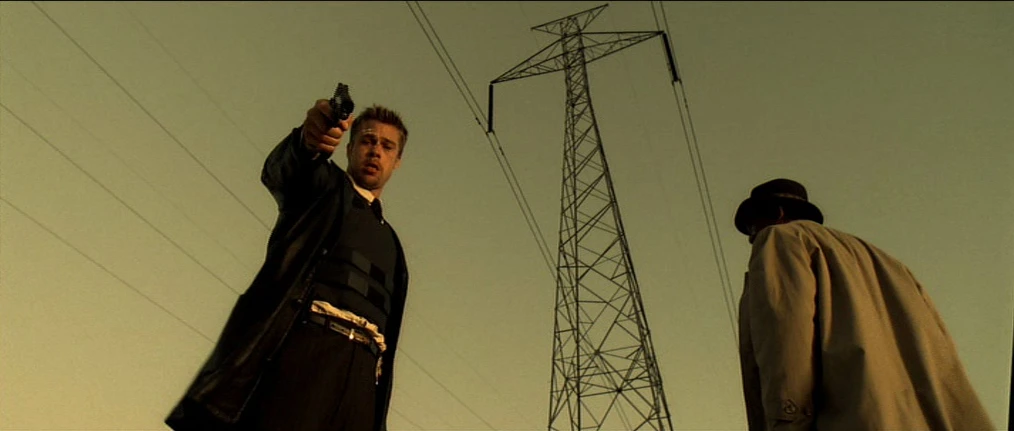
Se7en • I Saw the Devil • The Silence of the Lambs
Se7en is still the benchmark. If you think you’ve seen everything this genre has to offer, rewatch it.
Typical Tropes:
- Pattern-based ritual murder
- Cat-and-mouse pursuit
- Killer manifestos or journals
- Forensic breadcrumb trails
- Charismatic predators
- Investigators crossing moral lines
5. Action Thriller
Action thrillers burn hot — violence choreographed like a dance performed by someone with nothing left to lose. When done right, they’re lean, muscular stories with mythic undertones and bruised hearts. Revenge becomes religion. Pain becomes fuel.
(Honesty hour: it’s our least favourite flavour on this list, but it earns its place.)
The world narrows to one goal: make them pay.
Action Thriller Essentials:
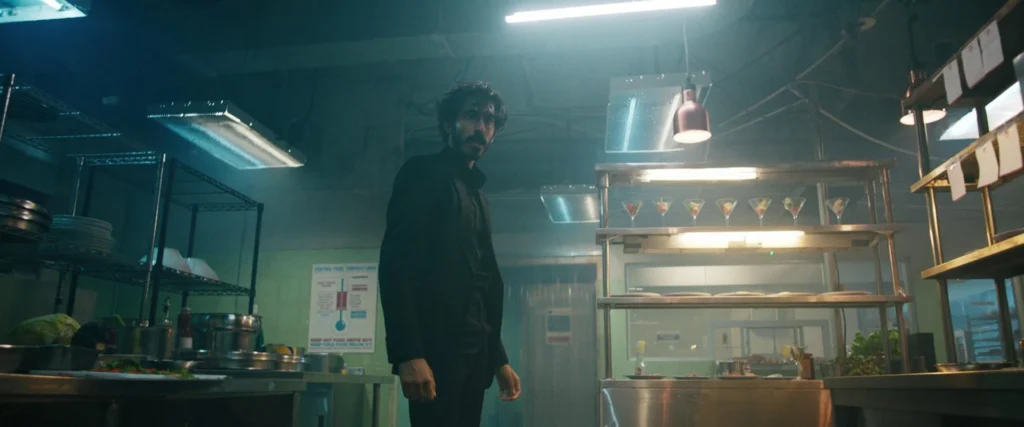
Monkey Man • Sicario • Collateral
Monkey Man is the most recent entry on this list and genuinely one of the best action thrillers in years. Don’t sleep on it.
Typical Tropes:
- Lone protagonist on a mission
- High-stakes rescue or revenge
- Shadowy conspiracies
- High-speed chases
- Brutal hand-to-hand combat
- Climactic showdown
6. Political / Conspiracy Thriller
Political thrillers are slow poison. The threat isn’t a masked figure in the dark — it’s the system itself. These stories unravel corruption, surveillance, boardroom betrayal, and institutional cruelty hidden behind polite handshakes.
Nothing supernatural, yet everything feels cursed.
Political / Conspiracy Thriller Essentials:
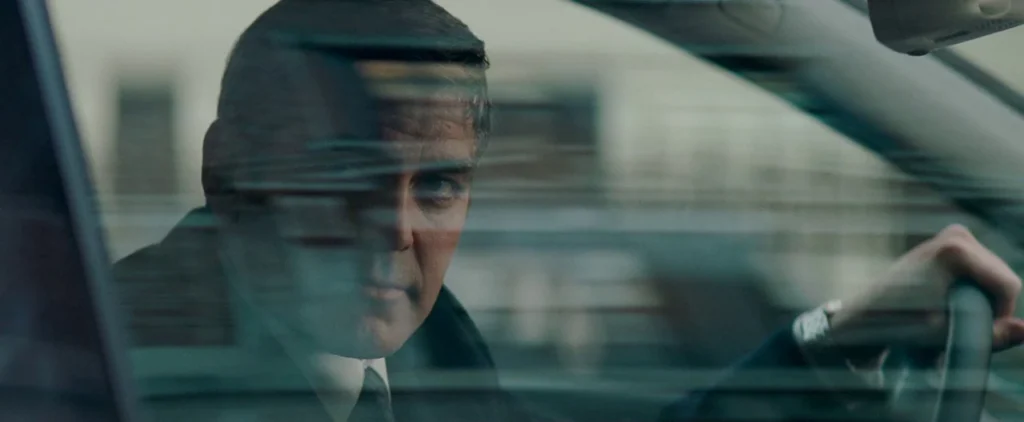
Michael Clayton • Tinker Tailor Soldier Spy • The Parallax View
Michael Clayton is quietly one of the greatest films ever made. Most people haven’t seen it. Fix that.
Typical Tropes:
- Conspiracies hidden in plain sight
- Whistleblowers in danger
- Leaked documents
- Corporate or governmental cover-ups
- Manipulation from above
- Moral compromises
7. Techno-Thriller
Techno-thrillers explore the quiet dread of being observed by something smarter than you — or worse, something you created. These stories are sleek, cold, and clinical, examining the moment where human arrogance tips into catastrophe.
The threat isn’t supernatural. It’s coded.
Techno-Thriller Essentials:
Ex Machina • Upgrade • The Girl With the Dragon Tattoo
Ex Machina is still the smartest AI film out there. Watch it before the genre gets any more crowded.

Typical Tropes:
- AI gaining autonomy
- Surveillance as trap
- Identity theft
- Seductive technology
- Experimentation without ethics
- Isolation in high-tech environments
8. Neo-Noir
Neo-noir thrives on moral rot lit by neon. It’s the heartbeat of a city at 3 a.m. — sweaty, sleepless, suspicious. Antiheroes sliding downhill. Predators behind lenses. A world where everyone wants something sharp.
Everyone’s dirty. Most aren’t even trying to hide it.
Neo-Noir Essentials:
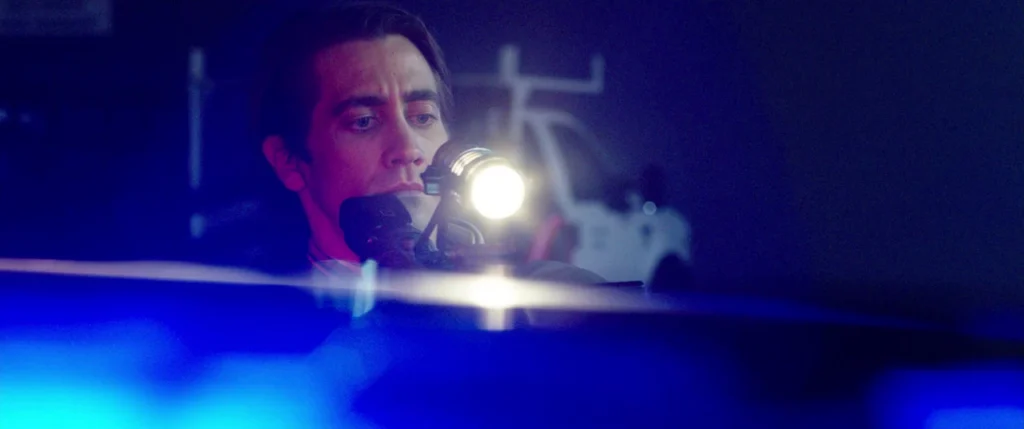
Nightcrawler • Drive • Chinatown
Nightcrawler — Jake Gyllenhaal at his most unsettling. You’ll never look at true crime TV the same way again.
Typical Tropes:
- Antiheroes with no exit plan
- Crime filmed beautifully
- Corruption at every level
- Nighttime as character
- Voyeurism
- Ambiguous or tragic endings
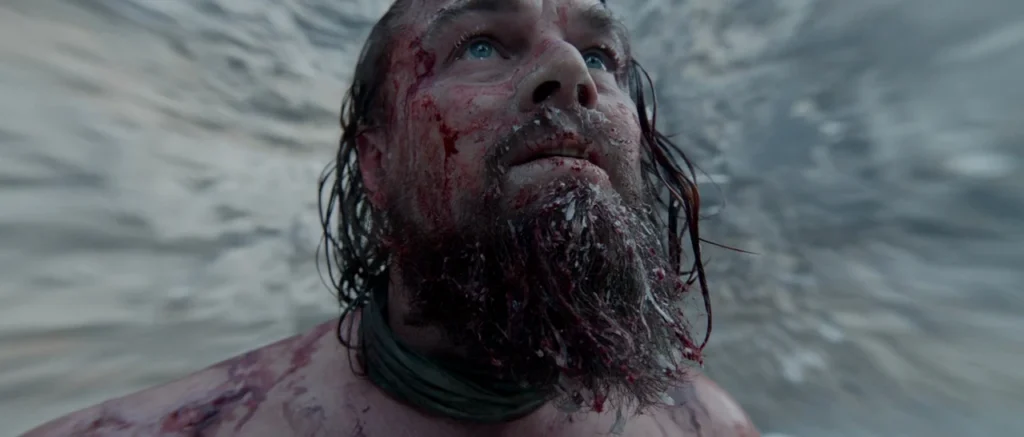
9. Survival Thriller
Survival thrillers strip away the safety of civilisation. Bodies pushed beyond limits, minds fraying in isolation, landscapes that want you dead. Hope becomes a liability, and pain becomes the only source of heat.
The danger is elemental — and intimate.
Survival Thriller Essentials:
The Revenant • Arctic • Gerald’s Game
The Revenant is less a film, more an endurance test. Worth every minute.
Typical Tropes:
- Harsh environments
- Injuries and illness
- Starvation, dehydration, exposure
- Hallucinations under duress
- Desperation-driven choices
- Revenge as sustenance
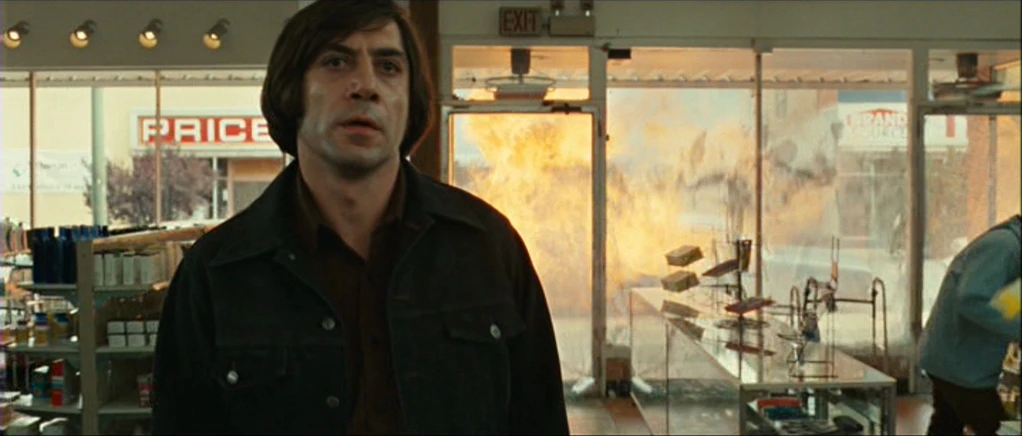
10. Cat-and-Mouse Thriller
Cat-and-mouse thrillers are obsession distilled. Two people locked in a fatal dance — one hunting, one fleeing, both mirroring each other. Fate plays favourites, and the coin toss never lands your way.
Sharp, relentless, quietly philosophical.
Cat-and-Mouse Thriller Essentials:
No Country for Old Men • Enemy of the State • The Handmaiden
Anton Chigurh is the most frightening villain in cinema. That’s not an opinion, it’s a fact. Start with No Country for Old Men.
Typical Tropes:
- Predator vs prey dynamics
- Long pursuit sequences
- Behavioural patterning
- Stalking with purpose
- Inescapable antagonist
- Fate as villain
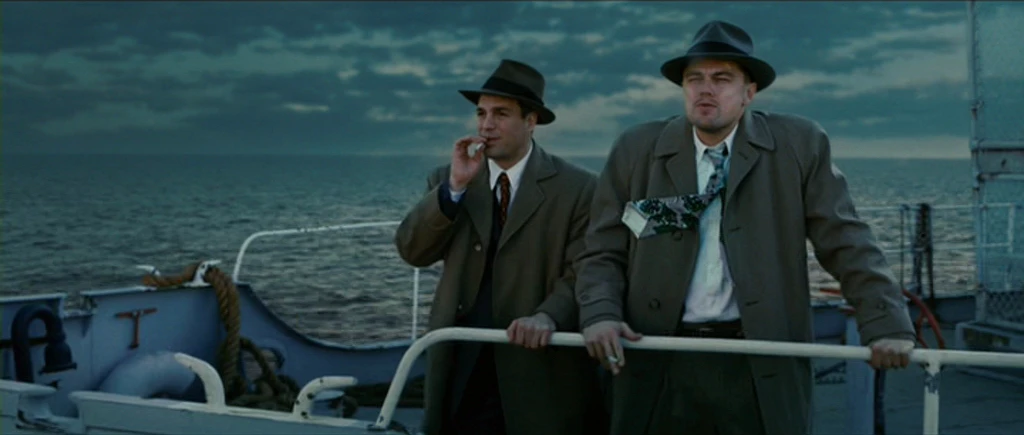
11. Gothic Thriller
Gothic thrillers live in the cracks between psychological dread and haunted-house atmosphere — without ever using ghosts as a crutch. Storms, ruins, secrets, unreliable memory. Institutions where the walls know more than the characters do.
You don’t escape the setting. It consumes you.
Gothic Thriller Essentials:
Shutter Island • Crimson Peak • Rebecca
Shutter Island is genuinely divisive — some people love the ending, some hate it. Either way you won’t forget it.
Typical Tropes:
- Decaying estates
- Unreliable or fractured memory
- Isolated institutions
- Family secrets
- Hypnotic atmosphere
- Madness as inheritance
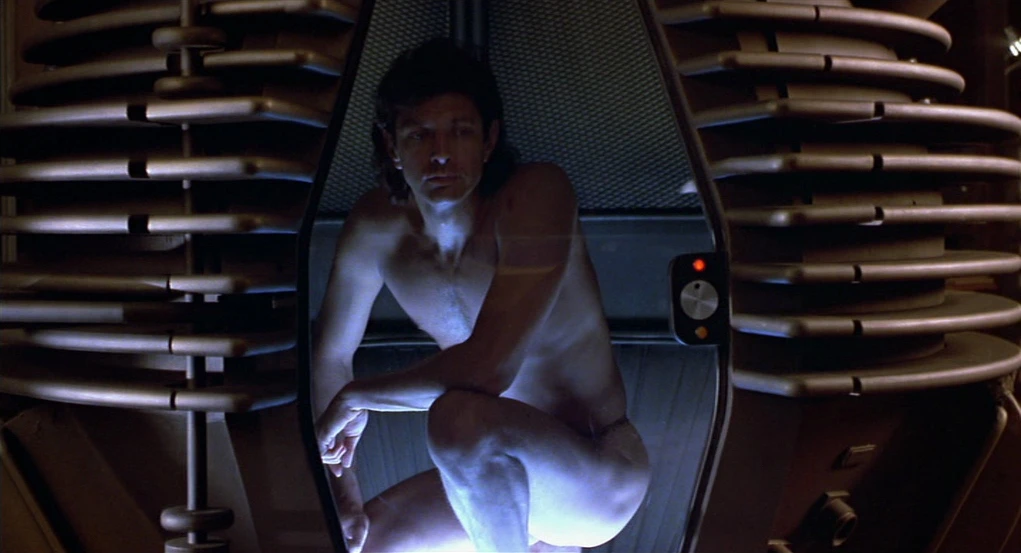
12. Body-Rot / Medical Thriller
Body-thrillers linger on the terror of losing yourself from the inside out — experiments, mutations, invasive procedures, and transformations that feel more tragic than monstrous. Identity becomes fragile, flesh becomes a threat, and science steps in as the villain.
Body-Rot / Medical Thriller Essentials:
The Fly • Unsane • Oxygen
Don’t let The Fly’s 1986 date put you off. It holds up better than most films made last year.
Typical Tropes:
- Experiments with consequences
- Confinement
- Bodily transformation
- Illness as antagonist
- Loss of autonomy
- Human error as catalyst
13. Sci-Fi Thriller
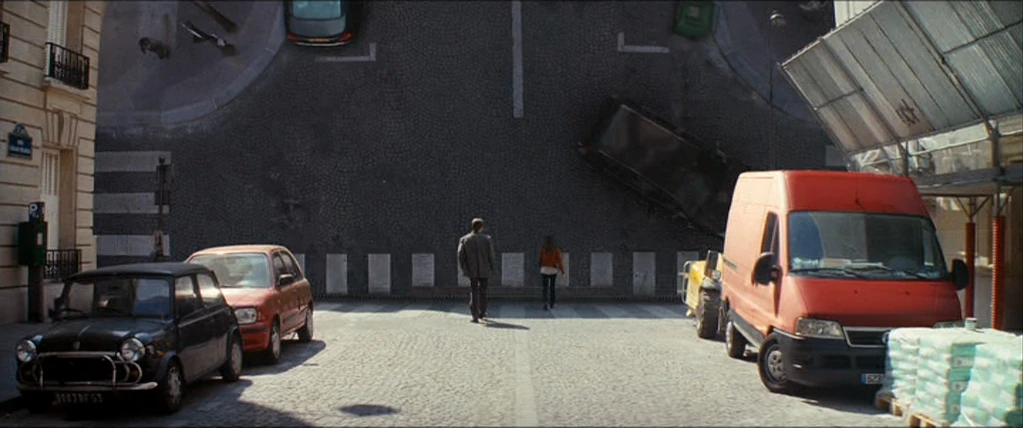
Sci-fi thrillers bend reality until it fractures. They twist physics, memory, and perception just enough to make you doubt your footing. These aren’t space operas — they’re psychological puzzles disguised as science, stories where you’re not running from a monster so much as from the world shifting under your feet. As a thriller movie subgenre, this is the one that most enjoys pulling the floor away.
Sci-Fi Thriller Essentials:
Inception • Coherence • Annihilation
You’ve probably already seen Inception. Watch it again — you’ll catch something you missed.
Typical Tropes:
- Reality distortion
- Layered timelines or dimensions
- Memory as weapon
- Identity instability
- “Is this real?” sequences
- Science pushed past moral limits
So What Makes a Thriller… a Thriller?
It isn’t the supernatural.
It’s the danger you can’t rationalise away — danger that looks like someone you know, something you trust, a place you return to every day. Across every thriller movie subgenre, the whisper is the same: “This could happen.” That’s why they stick to you long after the credits roll.
All 13 films are waiting for you in the All Things Dark Vault →
Image credits: Film stills from The Machinist (2004), Parasite (2019), Prisoners (2013), Se7en (1995), Monkey Man (2024), Michael Clayton (2007), Ex Machina (2014), Nightcrawler (2014), The Revenant (2015), No Country for Old Men (2007), Shutter Island (2010), The Fly (1986), and Inception (2010). Sourced via FilmGrab and used for editorial and commentary purposes.
Chewie
Still scrolling? Then you're one of us.
Fortnightly recommendations for people whose "comfort watch" is a serial killer documentary. No spam, no filler, no cheerful nonsense.