ByChewie
Hereditary vs. The Babadook: Grief in a Monster Suit
Two Hereditary vs Babadook think-pieces exist on the internet. This is the one written by someone who actually lost sleep over both. On paper, very different beasts: one with naked cultists, a demon named King Paimon, and brutal decapitations; the other with a sinister pop-up book, an exhausted single mum, and a boogeyman in the basement. Both reshape grief on screen — grief as alive, invasive, and hungry. One drenches you in dread; the other whispers until you break. Let’s put them in the ring. Spoilers ahead. If you haven’t seen them, that’s on you.
Meet the Fighters
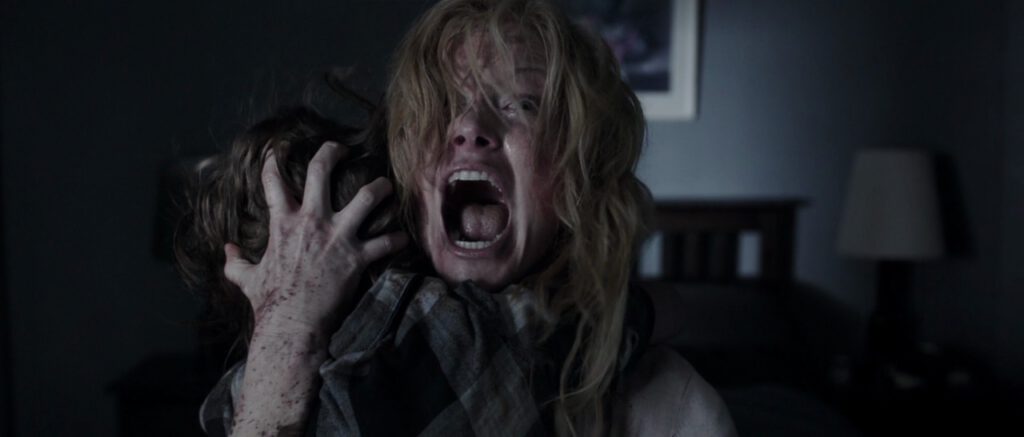
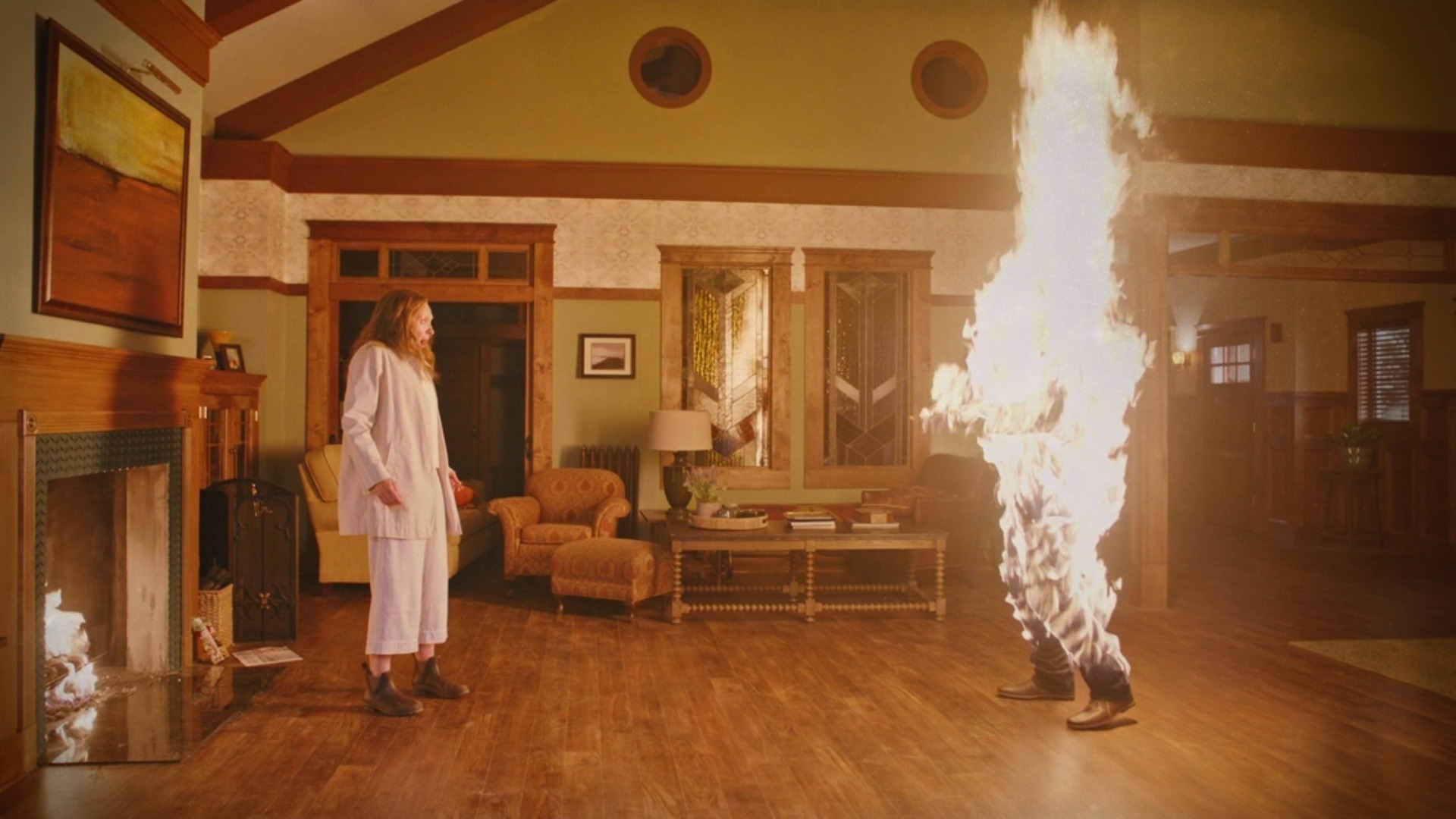
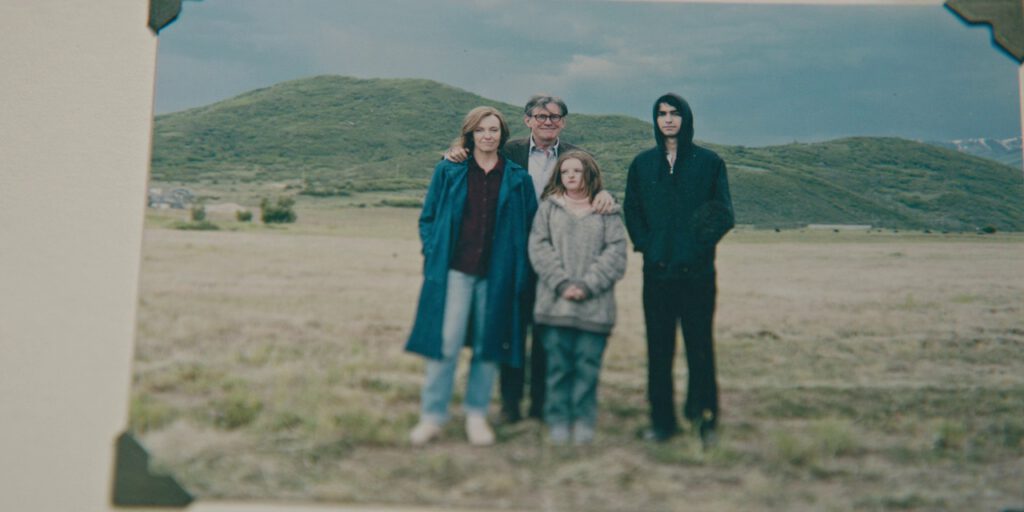
In Hereditary, we have the Graham family: Annie, an artist who builds miniature models of her trauma; her husband Steve, who tries and fails to hold everything together; teenage son Peter, equal parts guilt and weed smoke; and young Charlie, the unsettling child with a clicking tic and a face that says she’s seen too much. In The Babadook, it’s a smaller but equally cursed pairing: Amelia, a widowed mother trapped in her own exhaustion, and Samuel, her anxious, relentless son whose wild imagination is both his shield and her undoing. Two homes. Two families. One shared disease — grief.
The Grief Monster
In Hereditary, grief doesn’t knock — it kicks the door off its hinges. First, a secretive grandma dies. Then a child dies in one of the most shocking scenes in horror history. By the time the film is done, the Graham family has gone from sad to cursed to annihilated. Officially, the villain is King Paimon, the demon Annie’s mother spent a lifetime summoning. Unofficially, the real monster is what was already there: Annie’s festering history of mental illness, her hatred for her toxic mother, and Peter’s bone-deep suffocating guilt after the accident that changes everything. Paimon doesn’t cause the damage. He finds a house already full of cracks and moves right in.
In The Babadook, grief doesn’t explode — it seeps. Amelia never got to say goodbye to her husband; he died while driving her to the hospital to give birth. Samuel arrived hand-in-hand with trauma. Years later, the grief hasn’t faded — it’s just been folded into the wallpaper. Then a strange pop-up book called Mister Babadook appears, and suddenly the air feels thicker, the shadows lean the wrong way, and the bedtime story starts breathing. The Babadook isn’t a monster. It’s neglected sorrow knocking to be let out.
Both films treat grief as a sentient force. Hereditary makes it hereditary — a curse passed down like bad DNA. The Babadook makes it domestic — a secret you tried to bury that learned to scratch.
Paimon doesn’t cause the damage. He finds a house already full of cracks and moves right in.
Moms on the Brink
Both films belong to their mothers, and both actresses go gloriously feral.
Annie Graham — Mother as Collapsing Shrine
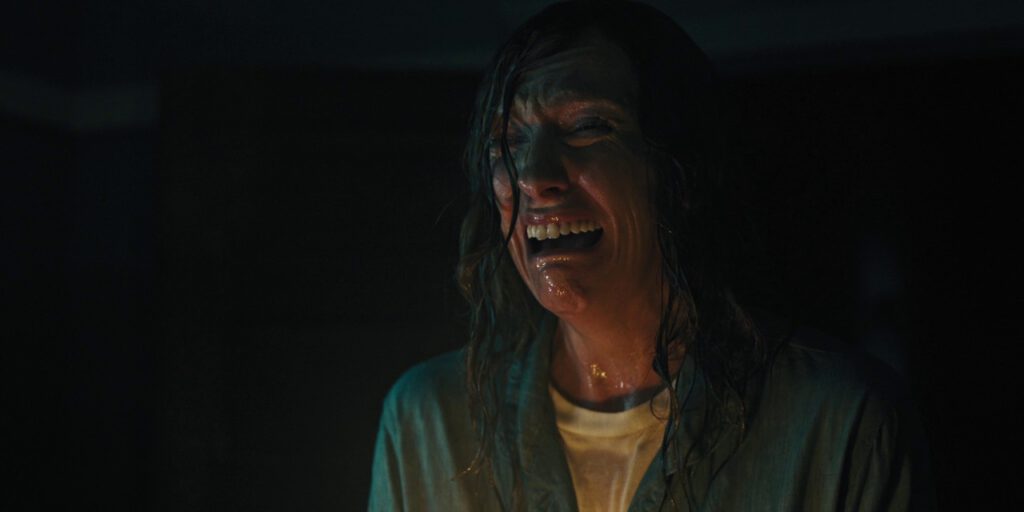
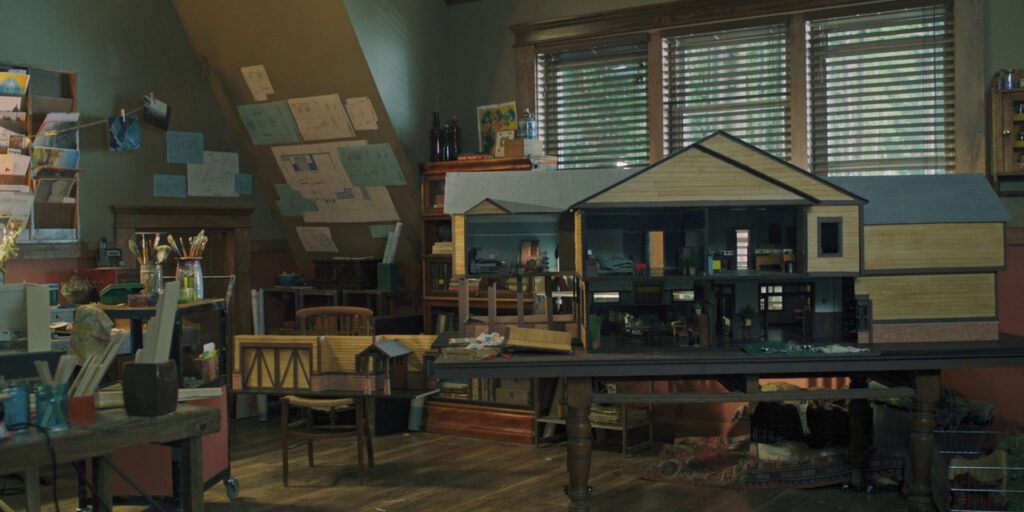
Toni Collette plays Annie like cracked porcelain held together by caffeine. She’s an artist obsessively recreating her trauma in miniature, a daughter still orbiting her mother’s shadow, and a woman who confesses she never wanted one of her children. Her grief is volcanic — she screams until her throat sounds inhuman, blames her son for surviving, and reaches for séances because the real world is unbearable. Every scene is a step further into hysteria, or liberation, depending on how you read it. By the time she’s sawing her own head off in the attic, it doesn’t feel like possession. It feels like inevitability. Annie isn’t in the horror movie. She is the horror movie.
Amelia — Mother as Haunted Body
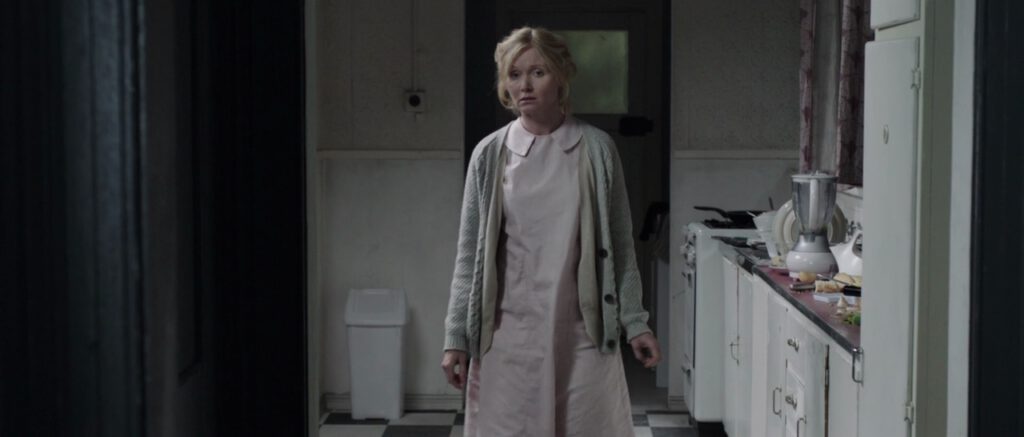
Essie Davis plays Amelia as if she hasn’t slept since the crash. She’s a single mum operating on fumes, raising a child who mirrors her trauma, living where her life stopped. Her grief whispers until it mutates — polite bus smiles, exhaustion bleeding into rage, hollow cheerfulness on autopilot. The Babadook only amplifies what’s inside: intrusive thoughts she’s been choking down for years. She isn’t a bad mother, just human — cracking under the weight of supernatural metaphor. Somewhere between Tumblr and Twitter, Mister Babadook became an LGBT icon: dramatic, misunderstood, basement-dwelling, demanding attention. Honestly? Same.
Annie burns. Amelia withers. Different faces, same exhaustion.
Houses That Hate You
These aren’t just haunted houses — they’re grief made architectural.
The Graham home looks like a set someone else is directing. Wide, static shots make the family look like miniatures under glass — which is Annie’s whole thing, and Aster knows exactly what he’s doing. The house hides boxes, symbols, cult letters, and the kind of attic no one should ever open. Light bends wrong. People appear on ceilings. The whole place feels built for ceremony, not comfort. It’s not just haunted. It’s constructed — a stage for doom disguised as a home.
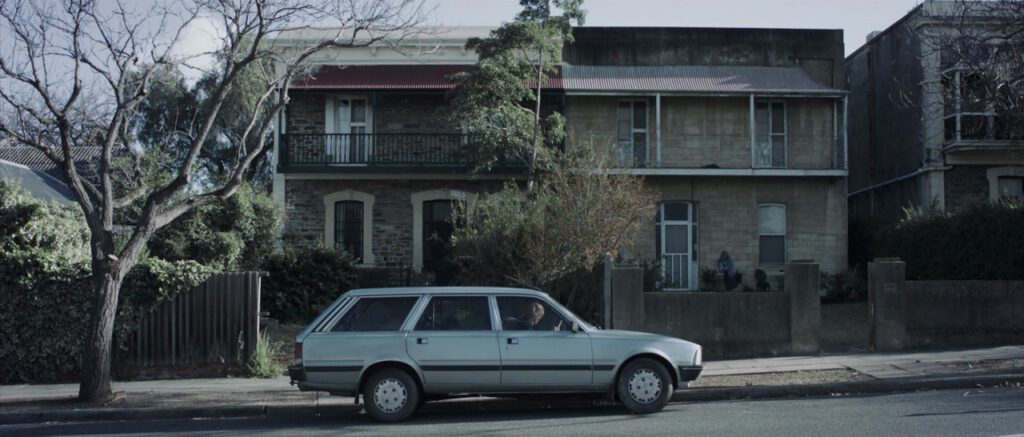
Amelia’s house is the opposite: small, airless, depressive — a depressive episode you can walk through. The TV fills the silence where conversation should be. The shadows lie. The walls are too close. And then there’s the basement, where Oskar’s belongings sleep and the Babadook waits — because of course it’s the basement, because of course she’s been living directly above her own grief this entire time and pretending it isn’t there.
Both homes are traps disguised as safety. Grief shrines with plumbing.
How the Grief Ends (or Doesn’t)
Hereditary: The Cult Wins
By the end, the dad burns, the mom is headless, and the son’s body becomes a vessel for a demon wearing him like a costume. The cult gets everything it wanted. There’s no catharsis, no peace — just the most horrifying family reunion in the history of treehouses. It’s grim but honest: if no one faces the family’s demons, the demons inherit the bloodline. Trauma, untreated, becomes the new religion.
The Babadook: You Can’t Kill It. You Can Cage It.
By the end, no one’s dead (except poor Bugsy). Amelia has stared her grief in the face, screamed at it, and locked it in the basement. She feeds it, tends it, keeps it small. It’s the cleanest metaphor in modern horror: you never get over grief — you just learn where to keep it, and how to live above it.
One story says the monster wins. The other says you survive, but you’ll always feed it. Both are true, depending on the day.
So Which Film Delivers the Deepest Emotional Blow?
Hereditary hits like a panic attack in slow motion — loud grief, ritualised, operatic, impossible to escape. Every scream from Toni Collette feels like it’s coming from inside you, and by the end you’re left hollowed out, ribs open, still waiting for something else to break.
The Babadook hits like a long, grey Tuesday that never ends — quiet grief, exhaustion that curdles into danger. Watching Amelia disintegrate feels like watching depression itself pace the hallway. When she finally looks the monster in the eye, it feels like the first deep breath after years of holding one in.
Both films show grief as addiction. You can’t quit it, only manage the dose.
Both are waiting for you in the Vault — ideally watched back to back on a night when you have nowhere to be tomorrow.
Chewie’s Take
As much as I love The Babadook — its restraint, its heart, its strange tenderness — Hereditary takes it. It’s a rollercoaster of dread that never lets you off. Toni Collette should’ve left the Oscars carrying a statuette and a priest. (Note to the Academy: horror movies are movies too.) Still, they’re the same ghost haunting different houses. One screams. One whispers. Both know exactly where you live.
Image credits: Film stills from The Babadook (2014) and Hereditary (2018), sourced via FilmGrab and used for editorial and commentary purposes.
Chewie
Still scrolling? Then you're one of us.
Fortnightly recommendations for people whose "comfort watch" is a serial killer documentary. No spam, no filler, no cheerful nonsense.