
ByChewie
The Afterlife of Jonbenét Ramsey
The JonBenét Ramsey case has been open for almost thirty years, and somehow it feels more tangled now than it did in 1996. Most murders decay into silence. This one grew. It morphed into something crowded and contradictory.
Every decade added a new wave of theories, documentaries, amateur sleuths, handwriting “experts,” DNA truthers, and people convinced they’ve cracked the case with a single blurry interview clip. It’s an investigation so oversaturated that the actual crime feels secondary to the arguments around it.
Everyone thinks they know what happened. The truth is that nobody does — and that uncertainty is exactly why the story won’t leave.
The Botched Beginning
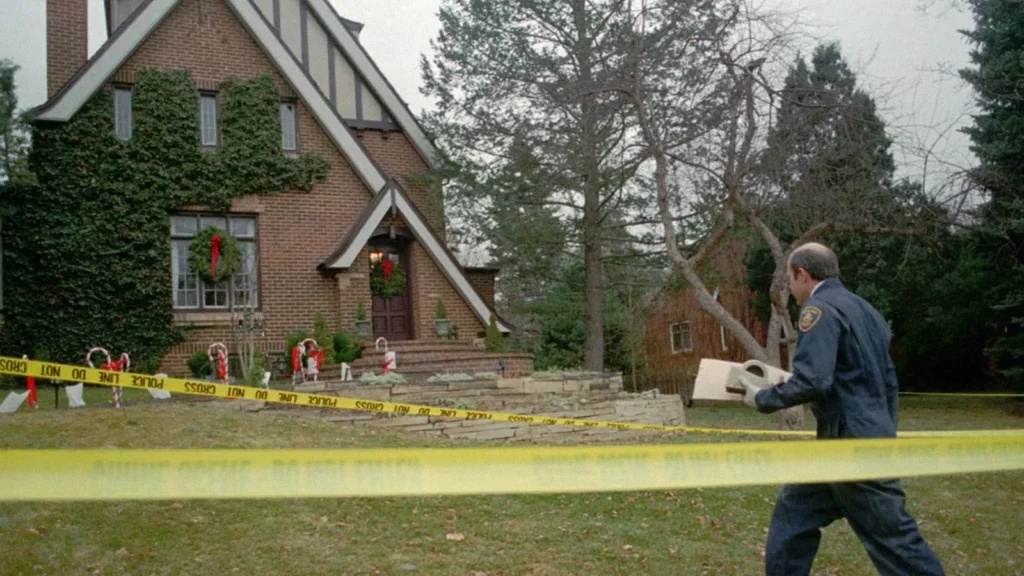
Christmas night in Boulder set the tone for everything that followed. The ransom note read like someone watched too many thrillers — the sort of thing written by a person desperate to sound clever, and achieving the opposite. The “kidnapping” didn’t match any known pattern. The child wasn’t missing at all — she was downstairs in the basement the whole time. Police didn’t treat the home like a crime scene. Friends and neighbours wandered through rooms. Evidence was touched, moved, and likely destroyed before the investigation even started.
By the time JonBenét was found, the JonBenét Ramsey case was already compromised. That failure is the seed from which every wild theory and argument later sprouted. When the foundation is rotten, the house above it never stands straight.
The Media Built the First Myth
The media didn’t just report this case — they sculpted it. JonBenét’s pageant photos were everywhere, stripped of context and turned into a moral indictment. Nothing says “responsible journalism” like implying a six-year-old’s makeup is relevant forensic evidence.
Newspapers and TV anchors repackaged her as a symbol before anyone had time to understand the actual crime. The coverage wasn’t neutral — it nudged the public into believing this was a story about vanity, ambition, and family dysfunction before any evidence supported that idea.
Once America framed this as a morality tale, the investigation was never just an investigation again. It was a performance.
Theory Wars: Why Nothing Adds Up
If you want to understand why people still argue about the JonBenét Ramsey case, it’s because every major theory contains something compelling — followed immediately by something that makes no sense.
The Burke Theory
Burke became the internet’s favourite suspect for one reason: his childhood interviews made people uncomfortable. A nine-year-old who just lost his sister didn’t express grief in the “correct” format, and millions decided that meant something sinister. There is no hard evidence supporting this theory — just vibes, projection, and the public’s habit of demonising children who don’t perform trauma the way adults expect. His behaviour since — the lawsuit against CBS, the carefully managed public silence — reads as someone who has spent thirty years being accused of something he didn’t do, not someone hiding guilt. The timeline also doesn’t work. A nine-year-old causing injuries of that severity, then the adults improvising a cover-up detailed enough to include a three-page ransom note, all in the small hours of Christmas morning? It collapses under the slightest pressure.
The Intruder Theory
This camp clings to the unknown male DNA like it’s gospel. But the DNA is weak, degraded, and easily contaminated. It could belong to the killer. It could belong to a factory worker who handled her clothing before it was ever sold. There is no definitive answer — just a lot of confidence built on very little.
Nobody breaks into a house, writes a three-page ransom note, stages a scene with Broadway-level detail, and then politely leaves without waking anyone. The intruder theory requires a sequence of events so precise and so silent it belongs in a thriller, not a real crime.
The Ransom Note
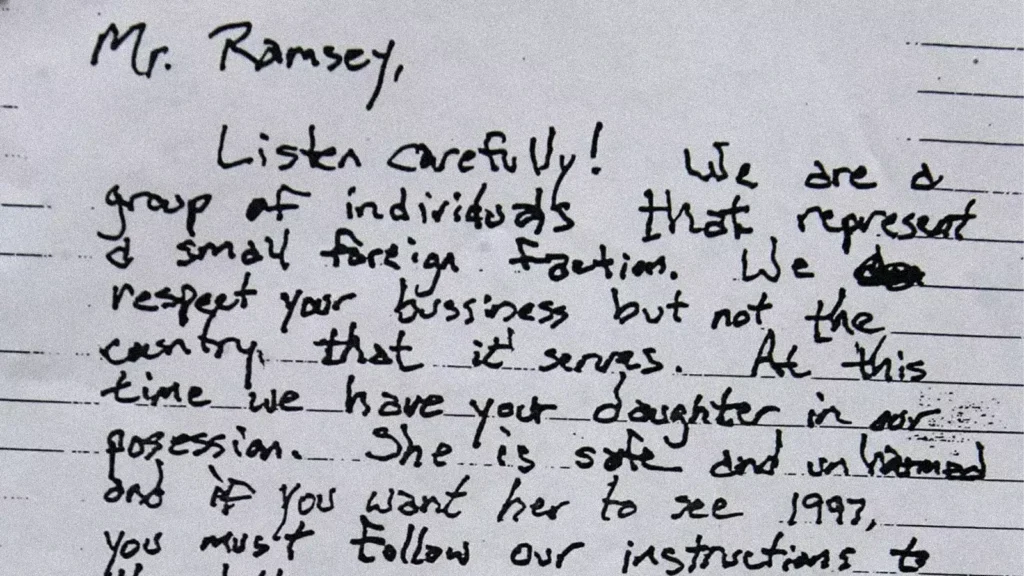
The note is a disaster. Too long, too dramatic, too overwritten to be spontaneous. Half the handwriting analysts say Patsy wrote it. Half say she didn’t. Handwriting analysis is basically astrology for people who own fountain pens.
The Case Trinkets
The pineapple. The flashlight. The “stun gun” marks. The scream the neighbour “maybe” heard.
Every object in that house has its own fandom. Every detail has someone insisting it proves their theory. None of it resolves anything.
People don’t pick theories based on evidence. They pick theories based on the kind of evil they believe in.
People don’t pick theories based on evidence. They pick theories based on the kind of evil they believe in.
The Ramseys: The Obvious Suspects
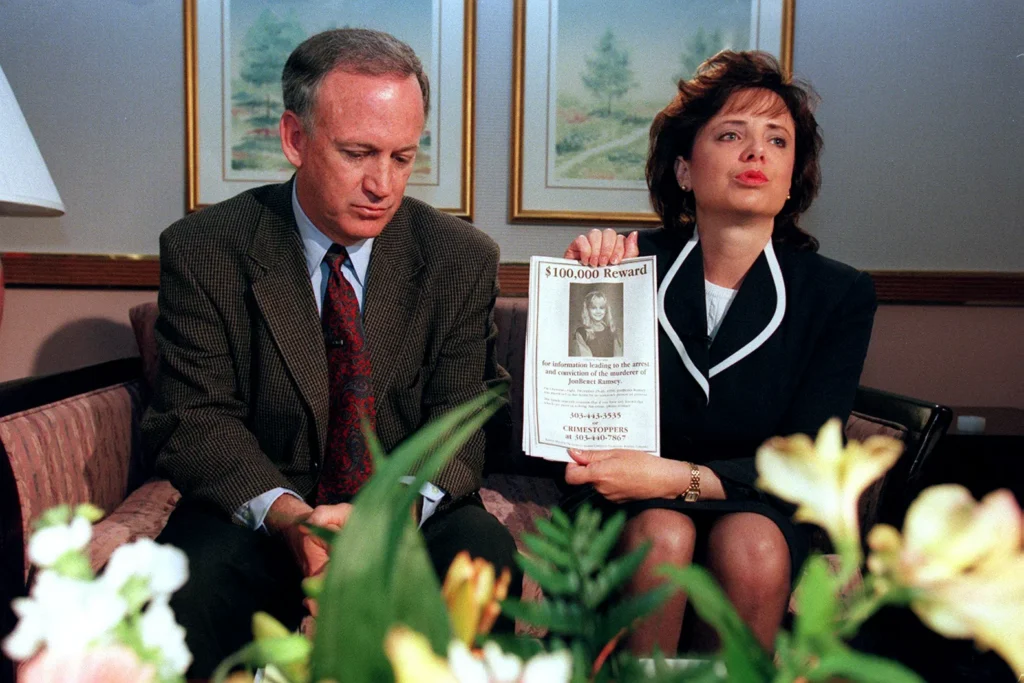
The Ramseys were treated as guilty almost immediately — and honestly, not without reason. The ransom note was almost certainly written inside the house. The $118,000 demand matched John’s recent business bonus almost exactly, a detail an intruder couldn’t have known. Their lawyer-guided strategy made them look calculated. Their PR was aggressive. Their timing was sometimes strange. Their statements weren’t always consistent.
Did that make them killers? No. It made them people behaving exactly as terrified, guilty-feeling parents do in a media firestorm — whether the guilt was criminal or just the ordinary guilt of parents who couldn’t protect their child. But the weight of the circumstantial evidence has always pointed inward, not outward. Something happened in that house. The question was never really whether the family knew more than they said. It was how much more.
The DNA Problem No One Likes to Admit
Everyone wants DNA to be the hero of the JonBenét Ramsey case. It isn’t. The samples found on JonBenét’s underwear and clothing are small, degraded, and unreliable. They may not belong to the killer. They may predate the crime entirely. They may be contamination. Genetic genealogy could help, but only if the original material is meaningful — and there is a real possibility it isn’t.
This case isn’t unsolved because we lack technology. It’s unsolved because the evidence was damaged before technology got there.
As of early 2026, the Boulder Police Department has submitted previously untested items to an advanced forensic laboratory — the most intensive round of DNA work the case has seen since the late 1990s. Partial genetic profiles have reportedly been isolated from two separate items. Whether those profiles belong to a single unknown male, multiple contributors, or someone already eliminated won’t be known until comparison testing completes. Results were expected by March 2026. If and when they land, this section will be updated — but given the degraded state of the original material, tempered expectations are probably wise.
The Afterlife of the Case
What’s unsettling about the JonBenét Ramsey case is how far it has drifted from JonBenét herself. She slowly stopped being a child in a crime and became a cultural reference point — a symbol of danger in suburbia, of incompetent policing, of media hysteria, of class privilege, of American paranoia. She became a topic, not a person.
This case turned into content. Documentaries repackage it. Podcasts sensationalise it. TikTok creators summarise it in under a minute between makeup transitions. Reddit treats it like a group project with no deadline. The afterlife of this case isn’t driven by justice. It’s driven by fascination, by the endless appetite for stories that feel unsolvable.
JonBenét is no longer discussed as a victim. She’s discussed as a genre.
JonBenét is no longer discussed as a victim. She’s discussed as a genre.
Why the JonBenét Ramsey Case Still Haunts Us
The killer has never been found, and because the crime scene was broken from the start, the truth may not be recoverable. Everything that happened afterwards — the theories, the debates, the documentaries, the DNA — grew out of that original failure. This case didn’t collapse because it was too complex. It collapsed because it never had a clean beginning. The noise that followed wasn’t investigation. It was aftermath.
This case endures because it sits in the space between what people want from true crime and what reality can deliver. There’s no satisfying ending, no theory that answers every question, no villain that fits neatly into the role. It’s a story permanently stuck in the middle, and people hate unfinished stories. They keep circling them, hoping the missing piece appears.
JonBenét’s killer walked away in 1996. Everyone else is still in the basement.
Chewie’s Take
Here’s where I land — and feel free to fight me in the comments.
An intruder didn’t do this. Full stop. Nobody breaks into a house, writes a three-page ransom note like they’re auditioning for Die Hard 6, kills a child with Broadway-level staging, and then politely leaves without waking anyone. It’s a stupid theory and I’m tired of pretending it deserves oxygen.
The Burke theory? I don’t fully buy it. The “nine-year-old mastermind” angle collapses the second you apply basic logic. But that Dr. Phil interview? Christ. The kid had uncanny-valley energy I still haven’t recovered from. Not guilt — just… something. The kind of something that makes you check your locks twice.
But a parent panic? A cover-up born of terror? That I believe. It fits the evidence, the behaviour, the tone, the chaos, the inconsistencies — all of it. Something happened in that house. Something accidental or impulsive and catastrophic. And the adults made a terrible decision to rewrite the ending.
People want a twist. I want the version that makes sense. Who killed JonBenét? No idea. Who covered it up? My money says: someone who packed her lunch.
Title image credit: Polaris
Chewie
Still scrolling? Then you're one of us.
Fortnightly recommendations for people whose "comfort watch" is a serial killer documentary. No spam, no filler, no cheerful nonsense.