
ByChewie
Robert Wone: A House That Went Quiet
The Robert Wone murder should have been solved in a week. Four men, a locked house, one body. And yet nearly twenty years later, the people who know what happened are still saying nothing — and the rest of us are still asking the same question.

A Case That Should Have Been Simple
On the surface, the Robert Wone murder should have been one of the easiest cases to solve. Four men in a locked townhouse. One ends up dead. Three say they don’t know what happened.
There’s no sign of forced entry. No unknown fingerprints. No strange DNA. No reports of a masked intruder slipping through the night. Just a well-kept Dupont Circle home, three housemates, and the body of a 32-year-old lawyer laid out on a pull-out sofa with three deep stab wounds to the chest.
Most murders get messy: chaotic scenes, panicked people, traces of the story still clinging to the room. This one feels like someone scrubbed the story out and left only the ending.
The case isn’t confusing because it’s complex. It’s confusing because, from the moment Robert Wone stopped breathing, everything in that house became controlled.
The Night That Refuses to Line Up
On 2 August 2006, Robert Wone worked late in Washington, D.C., then headed to 1509 Swann Street to spend the night at the home of his old college friend, Joseph Price, rather than commute back to Virginia to his wife. He arrived around 10:30 p.m., chatted in the kitchen, had a glass of water, and was shown to the guest room on the second floor.
At 11:49 p.m., housemate Victor Zaborsky dialled 911. He sounded distressed, his voice high enough that the operator initially mistook him for a woman. He told her: “We had someone… in our house, evidently, and they stabbed somebody.”
Paramedics arrived in under six minutes. They climbed the stairs to find Robert on the pull-out sofa, lying neatly on his back, arms at his sides. The bedding was barely disturbed. His chest had been “carved open by three deep stab wounds,” but there was almost no blood on the bed, the floor, or the surrounding area.
Somewhere in that ninety-minute window between Robert walking into the house and Victor calling 911, he was attacked, stabbed, apparently cleaned, redressed and arranged on the bed. One paramedic later said it looked as if he had been “stabbed, showered, redressed, and placed in the bed.”
The official story is that the three men were asleep, heard a noise, and discovered him like that.
The timeline politely disagrees.
Wounds That Don’t Make Sense
The autopsy is where the case stops feeling like a normal homicide and starts feeling clinical and wrong.
Robert had three stab wounds to the chest, deep enough to pierce his heart. They were described as precise and evenly spaced. There were no defensive wounds on his hands or arms, no bruises or torn skin you’d expect from someone fighting for his life.
This would be strange for anyone. It’s worse when you remember Robert practised martial arts, was physically capable, and would not have gone quietly if he’d been conscious and aware.
Later, the medical examiner noted multiple tiny needle marks on his body — on his neck, chest, foot, and hand — some with bruising that suggested they were made while he was still alive. Police concluded he was likely subdued with a paralytic drug before being stabbed. No such drug showed up on toxicology, but plenty of fast-acting agents leave little trace, especially when time and medical intervention are involved.
In other words: Robert looked like someone who had been deliberately and efficiently shut down, not someone surprised by an intruder with a knife.
The Men in the House
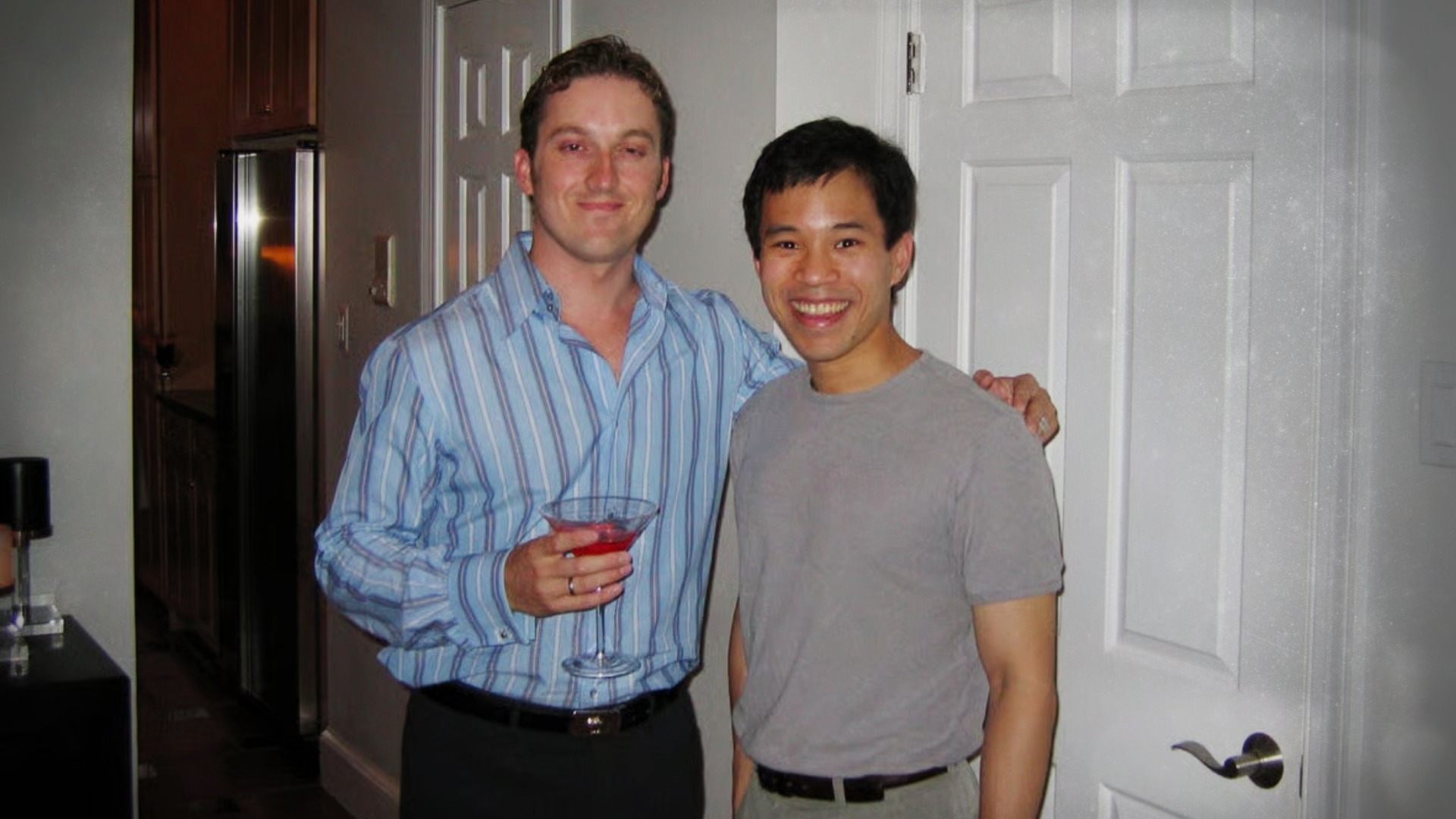
The house on Swann Street was shared by three men: Joseph Price and Victor Zaborsky, a couple in a long-term relationship; and Dylan Ward, who was also in an intimate relationship with Price. They described themselves as a committed three-person family.
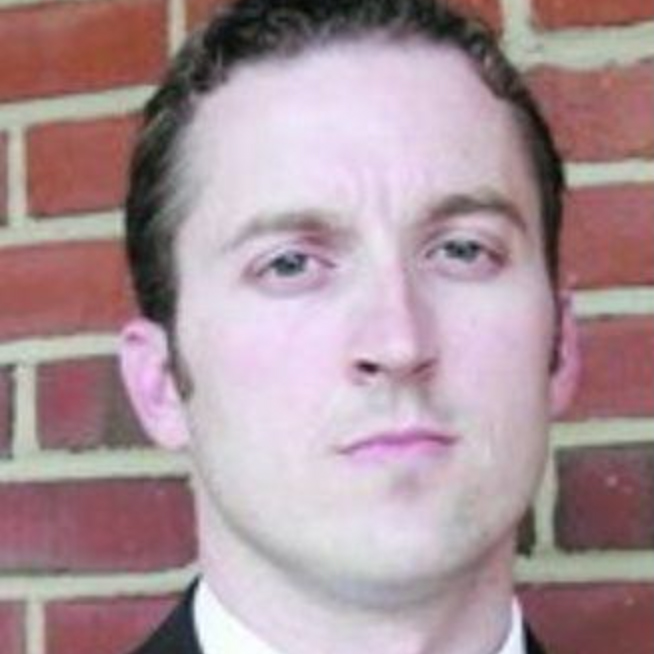
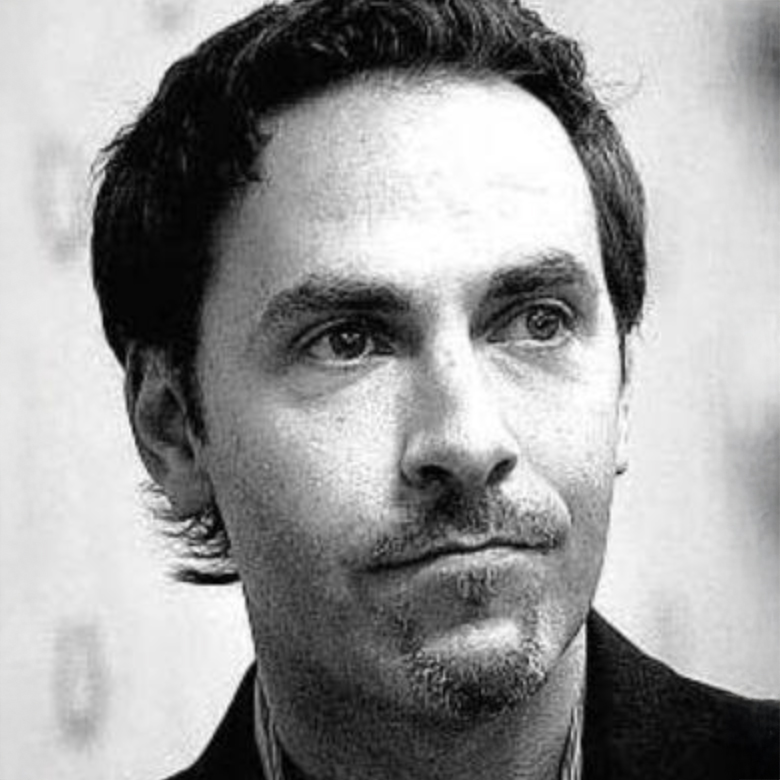
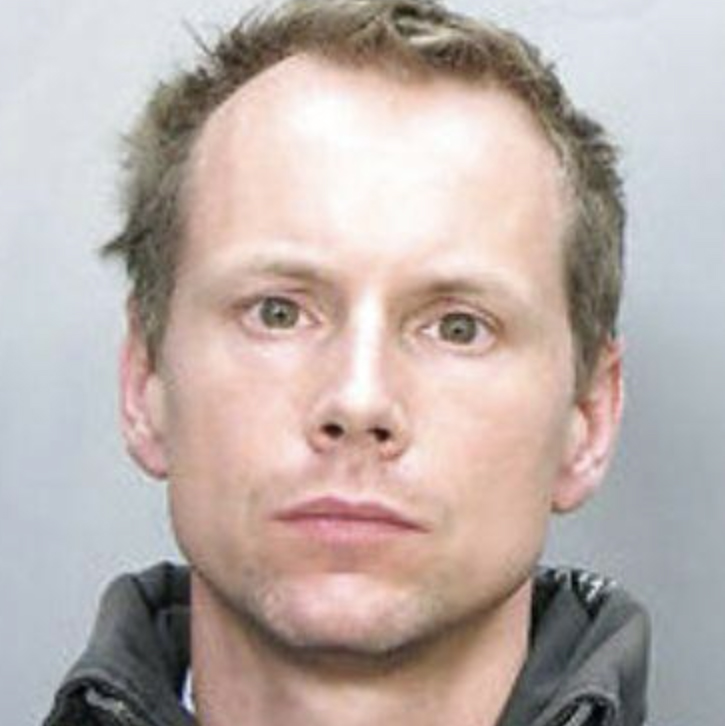
That isn’t the scandal. What matters is the dynamic. All three told essentially the same story: they were asleep; they heard a noise or a “low scream”; they checked on Robert; they found him stabbed; Victor called 911; and an intruder had come and gone.
No one could explain how this intruder entered a house with no signs of forced entry, navigated stairs and rooms in the dark, found Robert, incapacitated him, murdered him with surgical precision, cleaned him, staged the body, left no trace, and then vanished.
Their story never changed. Not once.
A Crime Scene That Looked Edited
What the paramedics saw did not look like a fresh, chaotic stabbing. It looked like a room that had been prepared.
Robert’s body was neatly laid out. The bedding was folded at an angle. There was a knife on a side table, but experts later argued the wounds didn’t match that blade and that a different knife had probably been used. That knife has never been found.
There was minimal blood. One paramedic said his abdomen looked as if it had been wiped, “kind of like when you wash a window.” Another described the entire scene as “very wrong.”
Police later seized BDSM equipment and medical-style gear from elsewhere in the house. Whether any of it was used that night remains unproven, but it supported one theory:
Robert was restrained, subdued, manipulated, and then staged.
Sex, Speculation, and Silence
The autopsy did not definitively prove sexual assault. But the needle marks, lack of defensive wounds, and staged body posture created a picture investigators could not ignore.
Prosecutors suggested Robert had been restrained, incapacitated, possibly assaulted, and then murdered — a theory they later narrowed when pursuing obstruction and tampering charges.
The three housemates denied everything beyond discovering him and calling 911. No alternate explanation has ever fit the evidence as cleanly as the one they refused to discuss.
The Theories People Cling To
Because the men never broke ranks, the vacuum filled itself.
One of the leading theories is the incapacitation theory: that Robert was subdued with a paralytic or sedative, preventing any fight. This explains the lack of defensive wounds, the needle marks, and the clinical nature of the stabbing.
Another is the “experiment gone wrong” theory: that something was done to Robert — sexually, medically, or both — that went too far. He went into distress; they panicked; they staged the murder.
There are melodramatic theories too — jealousy, arguments, secret attraction — but they’re based on vibes, not evidence.
And then the intruder theory: a stranger silently breaking in, subduing a healthy man, stabbing him without mess, staging the body, cleaning up, and vanishing. Police found undisturbed cobwebs on the so-called intruder route.
People cling to the intruder theory because the alternative is uglier: that everything happened inside that house, between people who knew each other.
What the Courts Could and Couldn’t Do
No one was ever charged with murder. Instead, the three men were charged with obstruction, tampering, and conspiracy — essentially, staging and lying. In 2010, all were acquitted. In 2011, Robert’s widow settled a wrongful death suit. Details sealed. Nothing ever moved the truth closer.
In 2023, a Peacock documentary — Who Killed Robert Wone? — revisited the case and went viral. It didn’t crack it either. Nothing does.
The Silence That Never Broke
This is what makes the case corrosive: police don’t believe the killer is unknown. They believe the people who know what happened simply refused to talk and have maintained that silence for nearly twenty years.
The house on Swann Street changed owners. The silence stayed.
The person who killed Robert Wone walked down the hallway, washed his hands, and went to bed — and then spent the next seventeen years repeating the same fucking story.
Why the Robert Wone Murder Still Haunts Us
The horror here isn’t gore. It’s choreography. A friend stays over at a house he trusts. Ninety minutes later, he is dead. The scene is staged. The explanations don’t add up. The people closest to the truth won’t speak. It isn’t an unsolved mystery — it’s an unanswered one.
Chewie’s Take
Here’s the version nobody wants to say out loud: Robert didn’t walk into a murder. He walked into a dynamic he didn’t understand. Joe was the sun. Dylan orbited him. Victor orbited the situation. Then Robert arrives: stable, respectable, married, charismatic in the clean, quiet way that threatens people who crave control. He wasn’t prey. He was interesting.
This was never a break-in. Nobody scaled a wall, paralysed a man with surgical precision, cleaned a crime scene like Marie Kondo on benzos, and then vanished without leaving so much as a weird footprint. If you believe that timeline, I have a haunted lake to sell you — and it’s hungry.
What happened was simple, awful, and controlled. Joe and Dylan pushed something they absolutely should not have pushed. Something went sideways — drugs, pressure, ego, take your pick — and Robert stopped breathing. And instead of calling for help like normal humans, they went full off-Broadway: staging, wiping, posing, narrating. A whole production nobody asked for.
Victor walked in halfway through and had an emotional collapse, which honestly makes him the only human being in the house that night.
People cling to the intruder theory because it’s easier than believing the truth: sometimes adults are reckless, selfish, and catastrophically stupid — and when things go wrong, they scrub the evidence and pray the performance holds.
The intruder didn’t slip into the shadows. He never existed.
The person who killed Robert Wone walked down the hallway, washed his hands, and went to bed — and then spent the next seventeen years repeating the same fucking story.
That’s what keeps me awake: the truth didn’t disappear. It just stayed very, very quiet.
Chewie
Still scrolling? Then you're one of us.
Fortnightly recommendations for people whose "comfort watch" is a serial killer documentary. No spam, no filler, no cheerful nonsense.