ByChewie
Chew Crew Essential True Crime Podcasts
The best true crime podcasts ranked — not by downloads, but by how long they haunt you.
The true crime podcast canon isn’t built on answers. It’s built on obsession. On bad systems, worse people, and the slow realisation that the truth doesn’t care whether you’re comfortable with it. These are not background listens. They aren’t made for folding laundry or zoning out on a commute. They’re the ones that creep into your head, settle in, and start rearranging the furniture.
This list isn’t about weekly banter, hot takes, or “I just threw it on while cooking dinner.” It’s about long-form narrative podcasts — the slow burns, the deep dives, the cases that unfold over weeks and then refuse to leave once they’re done. Ranked from best to worst, not by neatness or closure, but by impact: how deeply they unsettle, how long they linger, and how badly they resist resolution.
1. Root of Evil
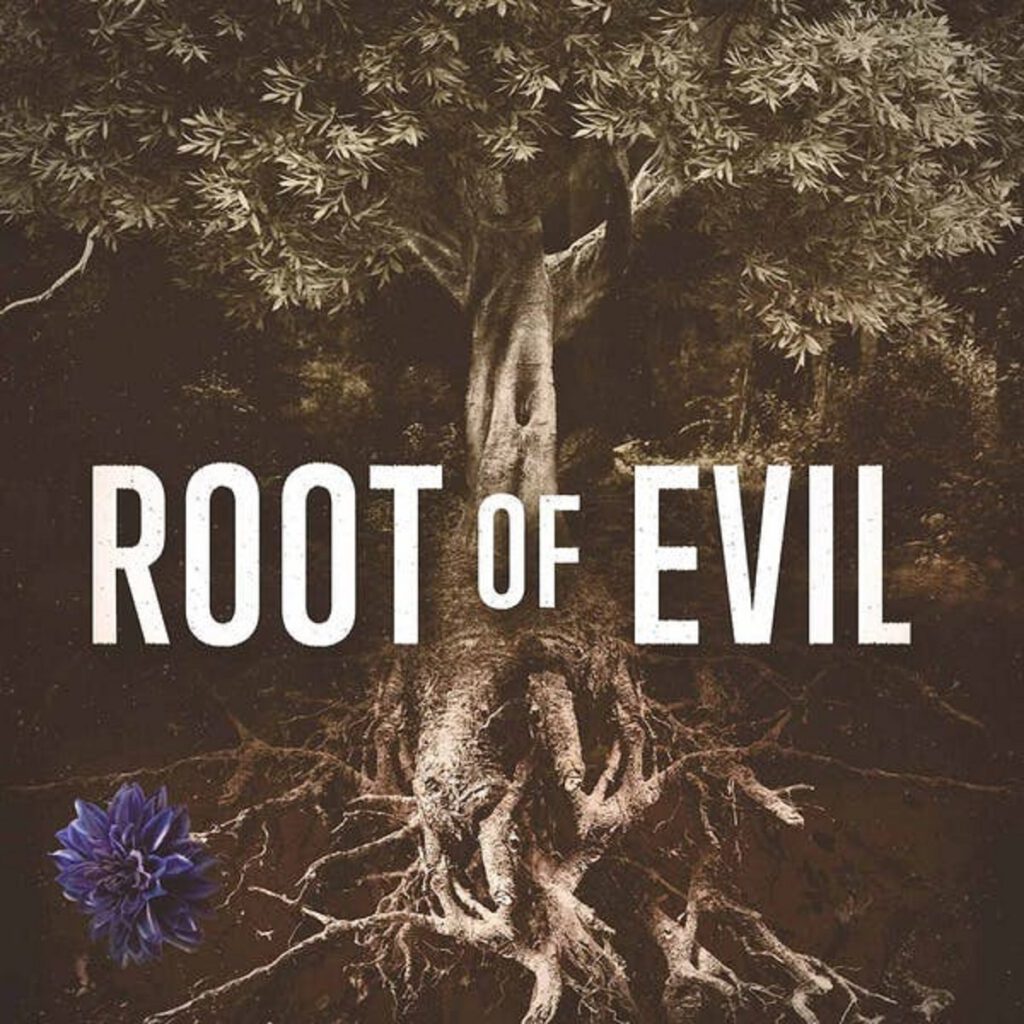
If you only listen to one true-crime podcast in your entire miserable existence, make it this. The unravelling of the Hodel family — orbiting Black Dahlia suspect George Hodel — is so disturbing it feels unethical to consume without emotional supervision. Generational trauma, incest, abuse, secrets, murder, and power, all excavated by the people who survived it. This isn’t “true crime.” It’s psychological wreckage told with raw, surgical precision. Brutal. Brilliant. You don’t finish this podcast — you emerge from it.
2. Shadow of Doubt
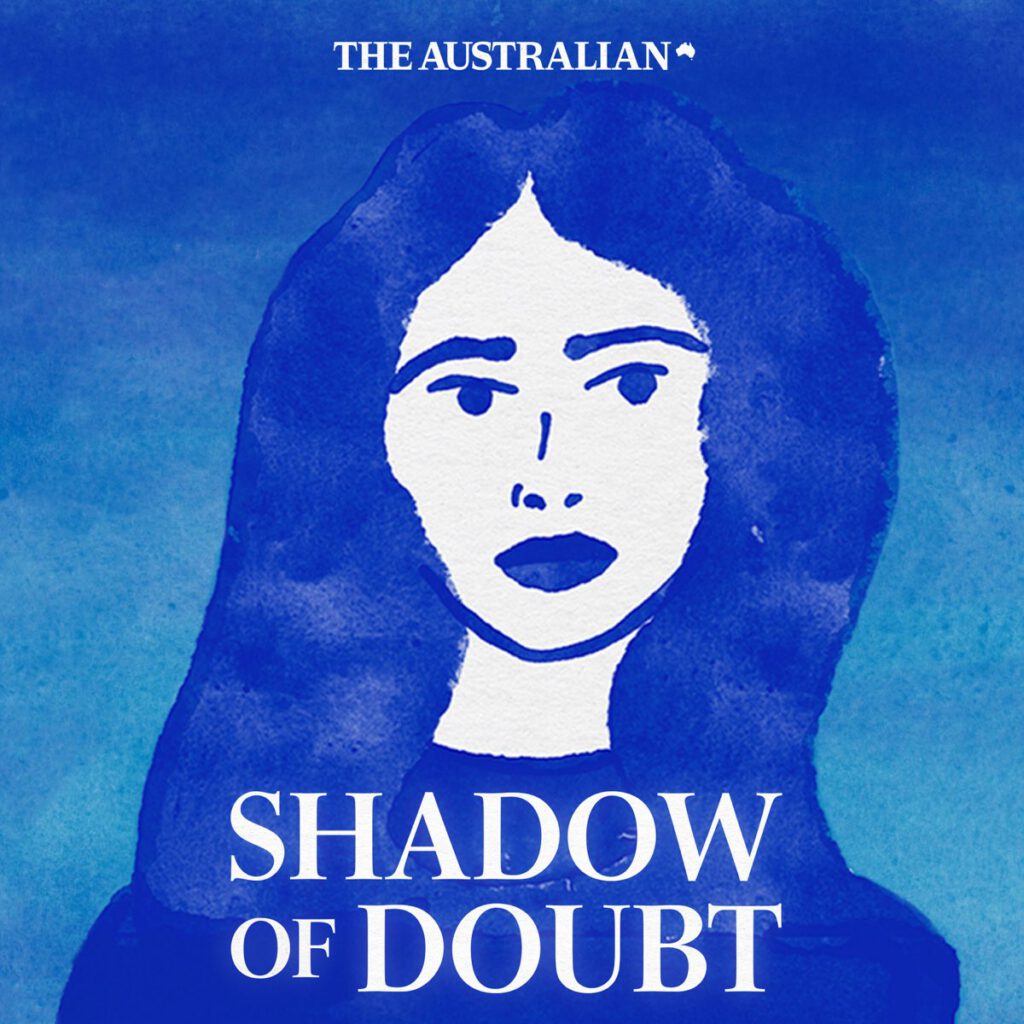
A hypnotic descent into the Australian justice system and one man’s possible wrongful conviction. It’s morally disorienting, slow-burning, and soaked in atmosphere — the kind of podcast that makes certainty feel irresponsible. Every new detail destabilises the last. Guilt and innocence blur until they’re almost meaningless. One of the most underrated and quietly devastating crime podcasts ever produced.
3. Ghost Story
A haunting, a suspicious death, a family with secrets, a cursed staircase — and a narrator who slowly realises he’s part of the story. What begins as an investigation slips into something far stranger and more intimate. This podcast understands restraint. It whispers instead of shouting. It lingers. It follows you. It’s a ghost story wearing the skin of journalism — elegant, unsettling, and deeply sad.
4. S-Town
You think you’re getting a murder mystery. Instead, you get John B. McLemore — a brilliant, corrosive, deeply complicated man whose mind becomes the centre of the story. This isn’t about solving a crime. It’s about obsession, genius, decay, and the violence of being misunderstood. S-Town isn’t true crime. It’s Southern Gothic tragedy disguised as a podcast — and it’s unforgettable.
5. Le Monstre
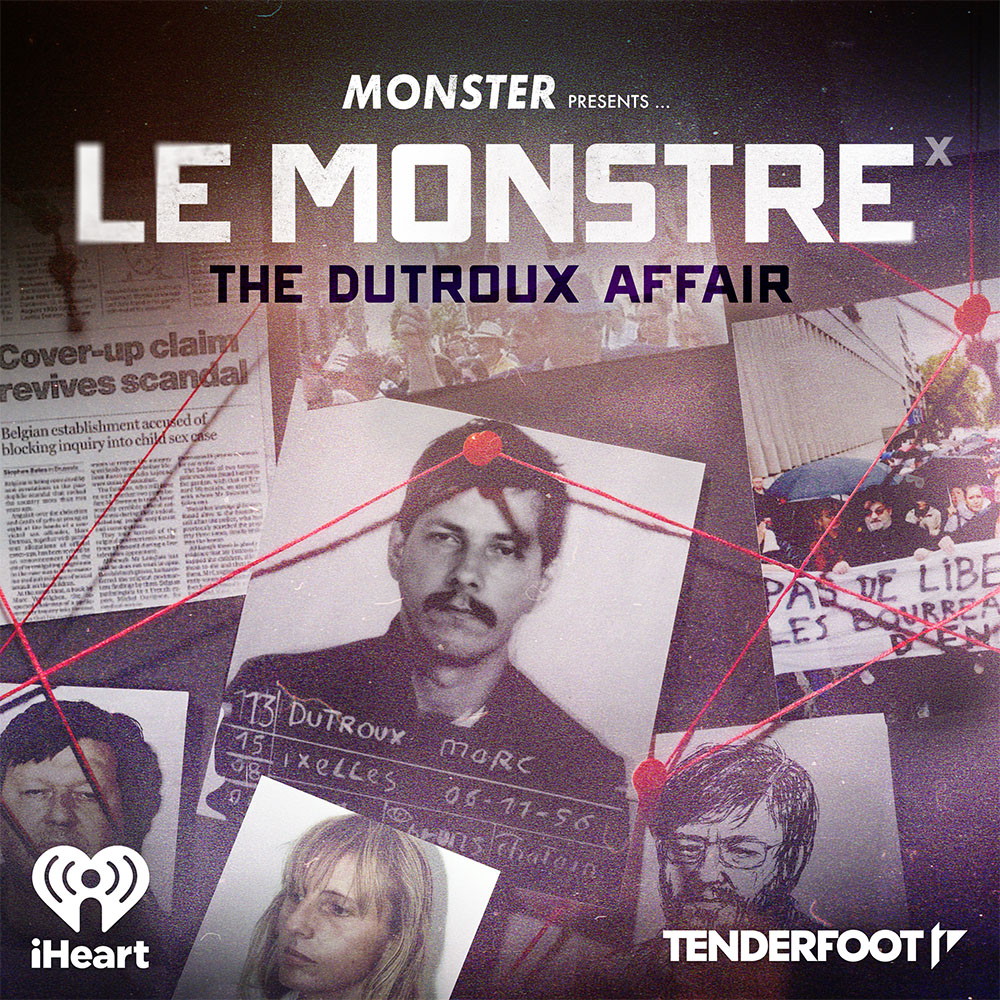
A chilling deep-dive into one of Europe’s most disturbing serial predators. Decades of manipulation, abuse, corruption, and institutional failure. The tone is icy, factual, and unsentimental — which somehow makes it even worse. The monster isn’t just the man; it’s the systems that protected him. This podcast doesn’t sensationalise. It indicts.
6. Black Hands
A soft-spoken, devastating examination of the Bain family murders in New Zealand — a case that split a nation. The host’s gentleness sharpens the horror; nothing is overstated, nothing is rushed. The family dynamics are claustrophobic, poisonous, and impossible to forget. This is true crime at its most quietly destructive — the kind that leaves you staring at a wall long after the episode ends.

7. Kill List
One of the darkest dives into the internet’s underbelly. Anonymous threats, hit lists, digital anonymity, and the terrifying speed at which online cruelty spills into the real world. It’s sharp, tense, and genuinely eerie — the kind of podcast that makes you lock your doors and reconsider how safe “online” actually is.
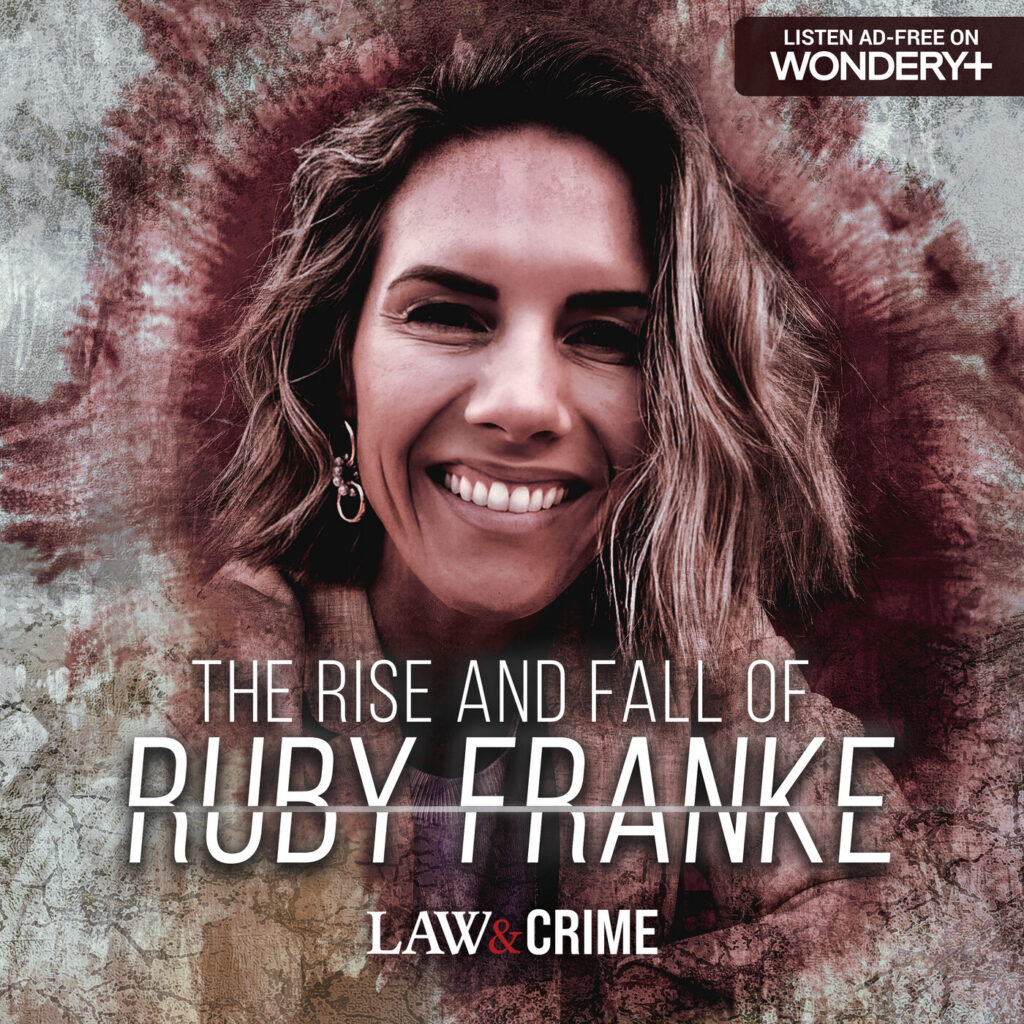
8. The Rise and Fall of Ruby Franke
A YouTube family-values influencer implodes into a child-abuse case wrapped in religious extremism, delusion, and control. Disturbing not just for what happened, but for how long it was allowed to happen in plain sight. This earns its place here because it exposes how modern platforms, faith, and moral certainty can fuse into something actively dangerous.
9. The Thing About Pam
Yes, it’s trashy. And yes, it’s wildly entertaining. But beneath the camp is a genuinely chilling portrait of a woman whose suspicious behaviour was ignored for far too long. This podcast proves that sometimes the most dangerous criminals aren’t masterminds — they’re hiding behind suburban normality and a baffling lack of scrutiny. A chaotic ride, but an unforgettable one.
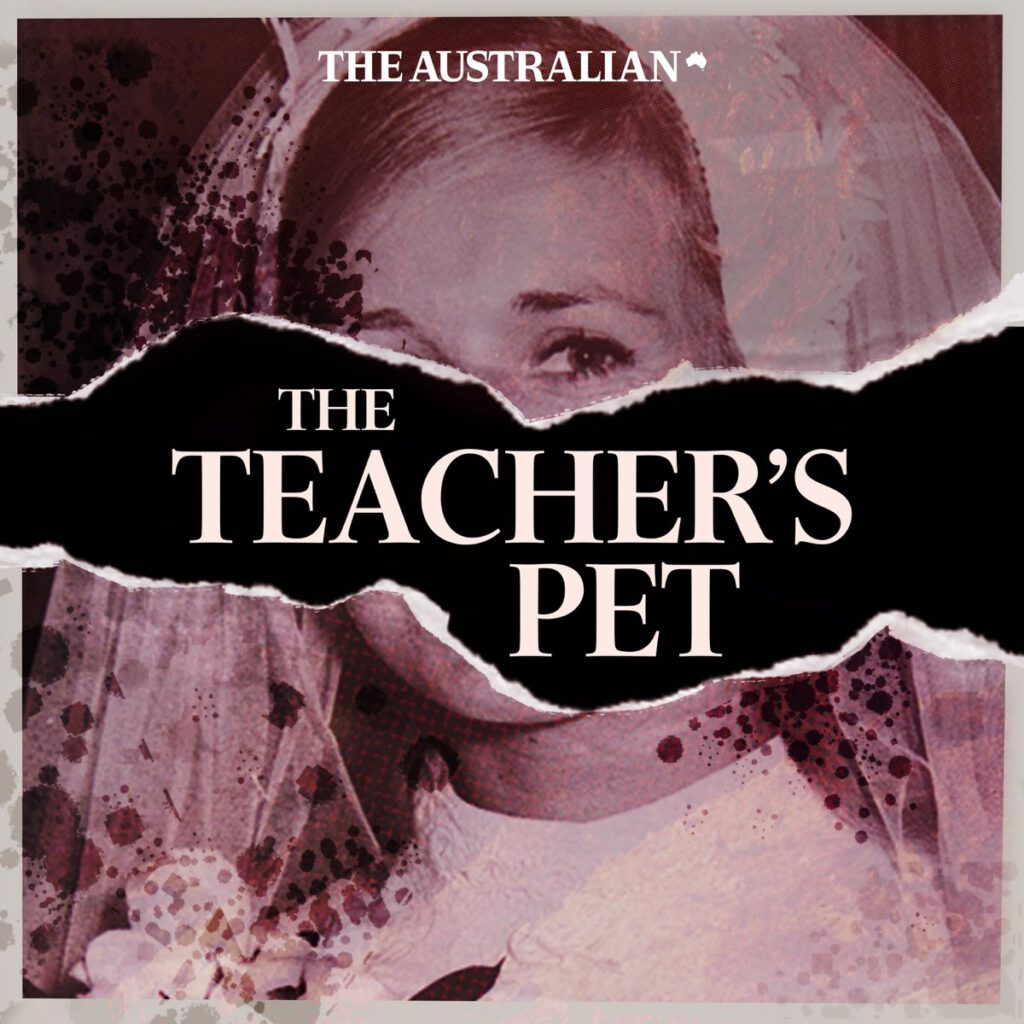
10. The Teacher’s Pet
Infuriating, repetitive, and still compulsively listenable. You will want to scream at the systemic failures on display, and you will get sick of hearing certain names — but the disappearance at the centre of this case is tragic enough to keep you locked in. A maddening Australian cold case that exemplifies how justice can stall while everyone watches.
Chewie’s Take
These podcasts don’t just tell you what happened — they trap you inside it. Unlike documentaries, which confront you with images and evidence, podcasts work through proximity. A voice in your ear. A case unfolding slowly. Time to think. Time to doubt. Time to obsess.
They don’t give you the relief of distance. They sit with you. They pace your kitchen at midnight. They replay in your head while you’re trying to sleep. Justice, when it appears, feels partial. Closure is inconsistent. Satisfaction is never guaranteed.
That’s the canon.
Not because these stories provide answers — but because they demand your attention long after the episode ends, and refuse to give it back.
Image credits: Podcast cover art courtesy of the respective podcast producers and platforms.
Chewie
Still scrolling? Then you're one of us.
Fortnightly recommendations for people whose "comfort watch" is a serial killer documentary. No spam, no filler, no cheerful nonsense.