ByChewie
Something’s Wrong With Australia (And I Mean that as a Compliment)
The best Australian horror films are lonelier, bleaker, and more human — ten films that prove the Aussies are making the most unforgettable horror on the planet.
WHEN AUSTRALIA MAKES HORROR, THE REST OF US SHOULD SHUT UP AND WATCH
While the rest of the world is chasing ghosts and demons, Australian filmmakers are layering grief, isolation, and human pettiness into movies that feel like emotional sandpaper. Australian horror doesn’t need loud noises or CGI demons. It just hands you a slow, simmering sense of doom, sets you under a sky that looks too big and too empty, and mutters “good luck, mate.” The landscape alone is a threat: endless highways where no one hears you scream, bushland that swallows people whole, coastlines that couldn’t care less whether you make it back to shore. But the real danger is always human — brittle egos, buried grief, simmering violence, small cruelties that metastasize. The stories are sparse, atmospheric, deeply internal. Everyone is slightly broken. Everyone is in quiet danger. And safety? Australia doesn’t believe in it.
Australian horror doesn’t need loud noises or CGI demons — it just hands you a slow, simmering sense of doom and mutters ‘good luck, mate.’
Here are the ten films that prove Australia is the heavyweight champion of dread.
Anatomy of Australian Dread
Australian horror has a pulse — slow, irregular, and unsettling. It creeps, it festers, it breathes down your neck. What makes it different isn’t the monsters; it’s the mood. The quiet. The sense that the world has turned slightly sideways and no one is coming to help. These films don’t simply frighten — they marinate you in dread.
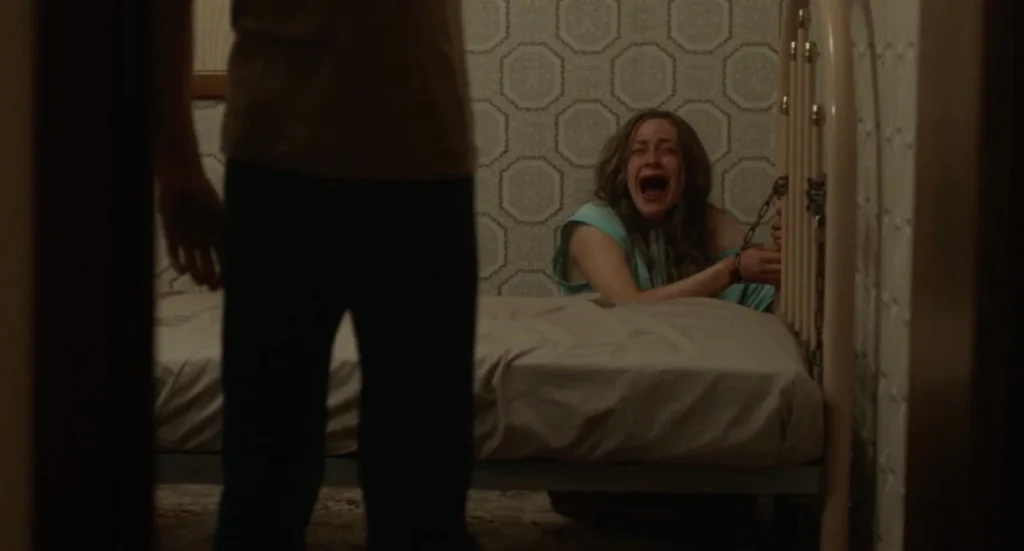
1. HOUNDS OF LOVE (2016)
What it’s about
Inspired by real crimes, a teenage girl is abducted by a violent couple whose relationship is more horrifying than the acts themselves.
Chewie’s Take
This is the quiet, claustrophobic horror of human psychology. No gore — just power, manipulation, and performances so accurate you need a shower afterwards. Unbearably human in the worst way.
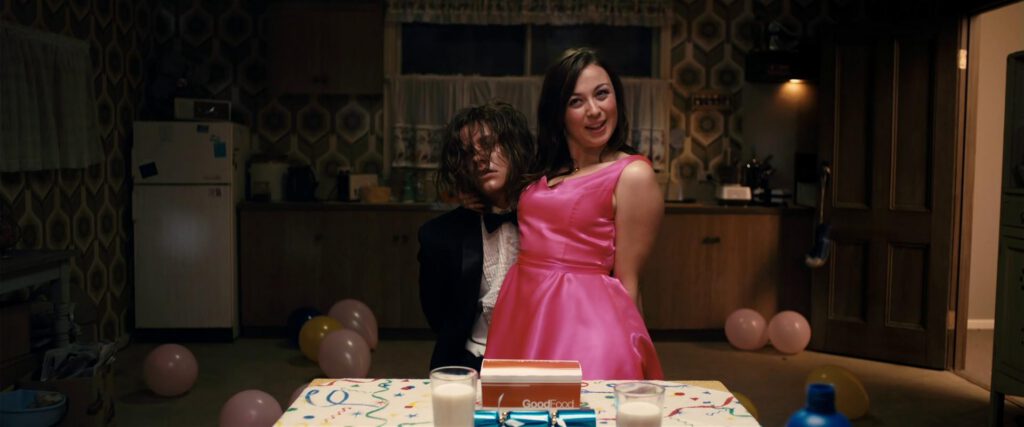
2. THE LOVED ONES (2009)
What it’s about
A teenage boy rejects a girl’s prom invite. She responds by throwing her own private prom — complete with drills, scalpels, and a pink dress soaked in generational trauma.
Chewie’s Take
Mean Girls if Regina George kidnapped you and nailed your feet to the floor. Grotesque, camp, violent, unforgettable. Lola Stone deserves her own wing in the Horror Villain Hall of Fame.
3. THE BABADOOK (2014)
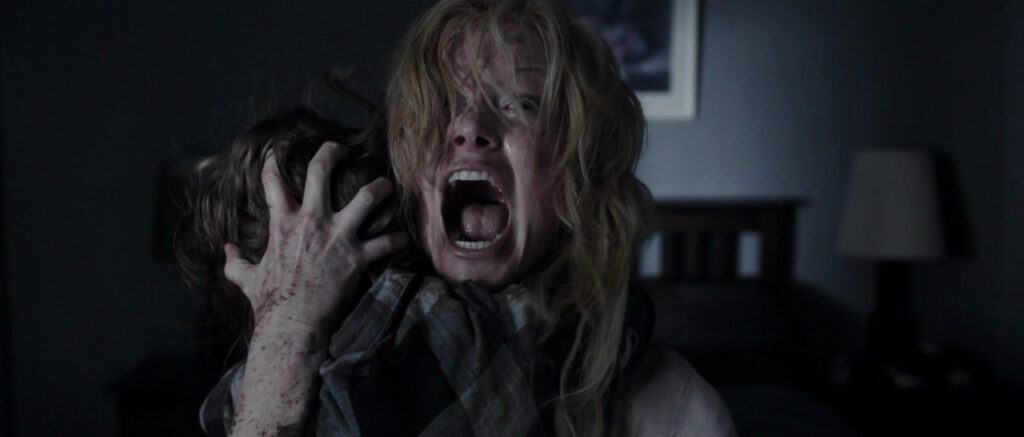
What it’s about
A widowed mother and her volatile son face a grief monster that crawls out of a children’s pop-up book and refuses to leave — as grief tends to do.
Chewie’s Take
A dissertation on maternal burnout in a monster suit. Oppressive, claustrophobic, and anchored by Essie Davis, who gives a performance so raw it feels invasive. Australia invented “elevated horror” before A24 learned how to screen-print a tote bag.
4. WOLF CREEK (2005)
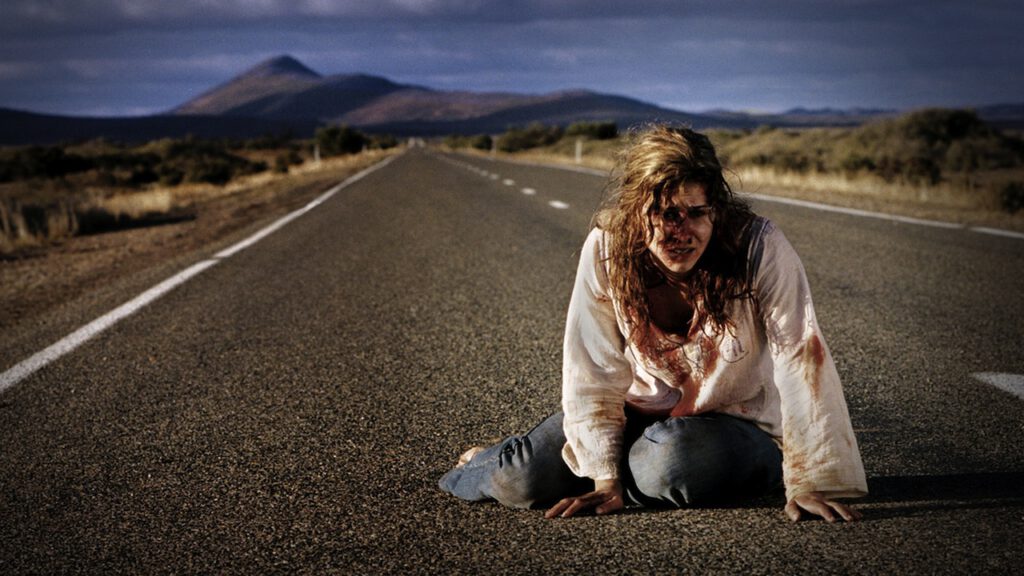
What it’s about
Backpackers venture into the outback and meet a human-shaped nightmare disguised as a chatty bushman.
Chewie’s Take
The terror is how possible it feels. Mick Taylor is not a monster — he’s the guy who offers to fix your tire and then ends your existence. Australia watched Texas Chainsaw and said, “Okay, but make it real.”
5. BRING HER BACK (2025)
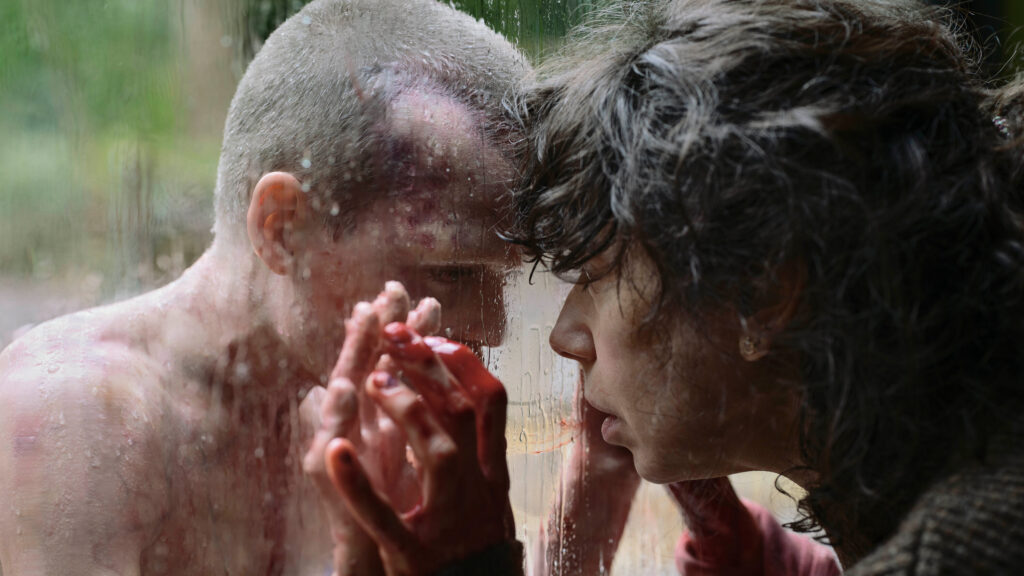
What it’s about
After their father’s death, teenage step-siblings Andy and Piper are placed with a seemingly kind foster mother, Laura — until they realise she’s preparing a ritual to bring her own daughter back, and Piper is meant to be the vessel. What starts as care becomes captivity as Andy tries to protect his sister from a woman who believes the supernatural is within reach if she’s willing to do something terrible enough.
Chewie’s Take
Australia said “what if parental grief and demonic possession were a two-for-one special?” and delivered exactly that. Unsettling, ritualistic, and soaked in the kind of psychological dread that makes you want to check on the kids you don’t even have.
6. SNOWTOWN (2011)
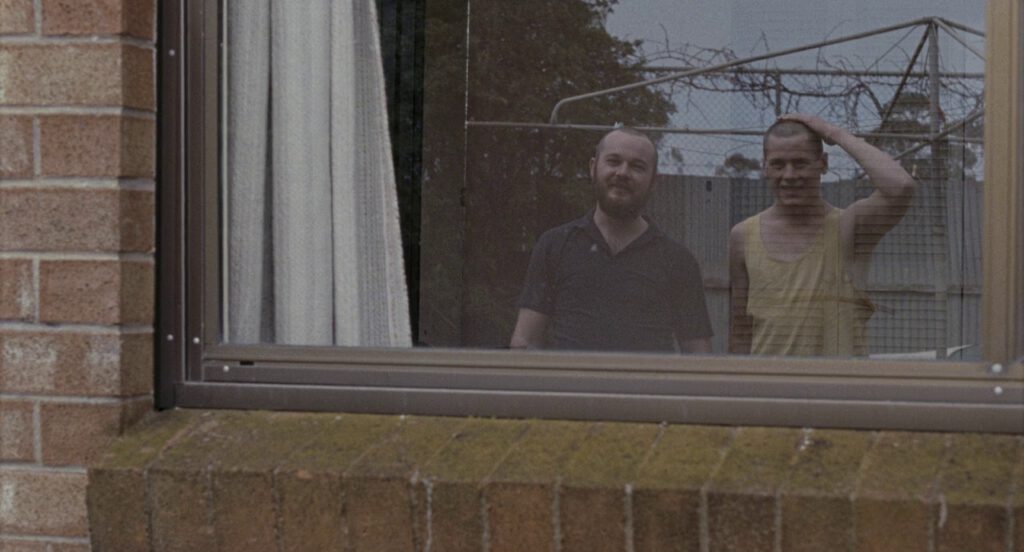
What it’s about
A teenage boy falls under the influence of a charismatic predator responsible for unspeakable real-life murders. It’s not horror. It’s worse.
Chewie’s Take
The bleakest film on this list. You don’t watch Snowtown. You endure it. It’s the cinematic equivalent of being buried alive under someone else’s trauma. A masterpiece you will never rewatch.
7. TALK TO ME (2022)
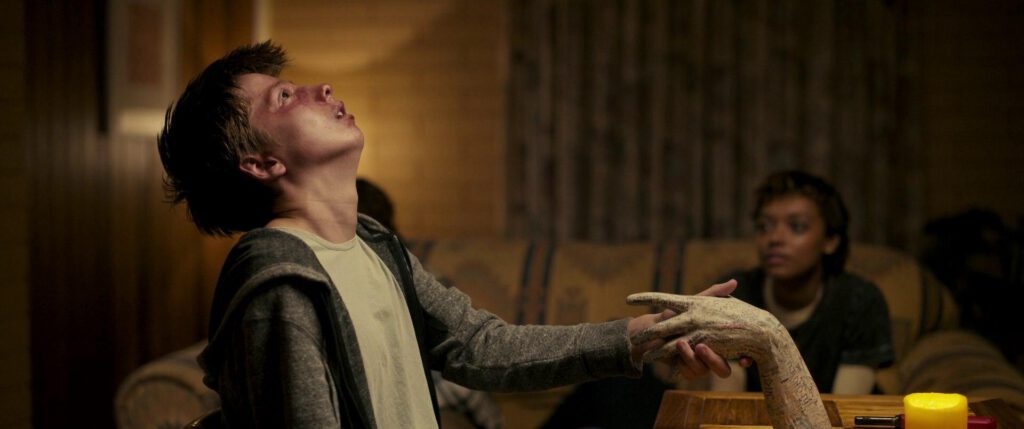
What it’s about
Teenagers discover a way to contact spirits using a ceramic hand — because nothing catastrophic has ever started with “let’s film this for social.” A grieving girl pushes the ritual too far, and the divide between living and dead collapses like wet paper.
Chewie’s Take
This movie feels like being slapped repeatedly by something dead with unresolved emotional issues. Brutal, stylish, and chaotic in that painfully accurate teenage way. The ending? Mean. Beautifully mean.
8. THE GIFT (2015)
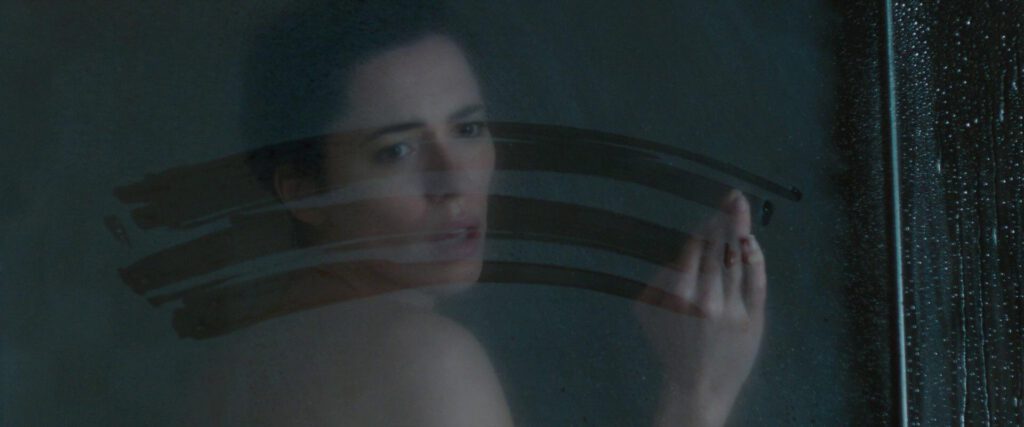
What it’s about
A couple relocates for a fresh start, only to be stalked by an unnervingly polite old acquaintance whose social awkwardness slowly blossoms into psychological warfare.
Chewie’s Take
Joel Edgerton is a tiny forest cryptid and I adore him. The tension here is human rot wrapped in polite suburbia. Gordo is the kind of man who gives gifts you shouldn’t open but absolutely must.
9. RELIC (2020)
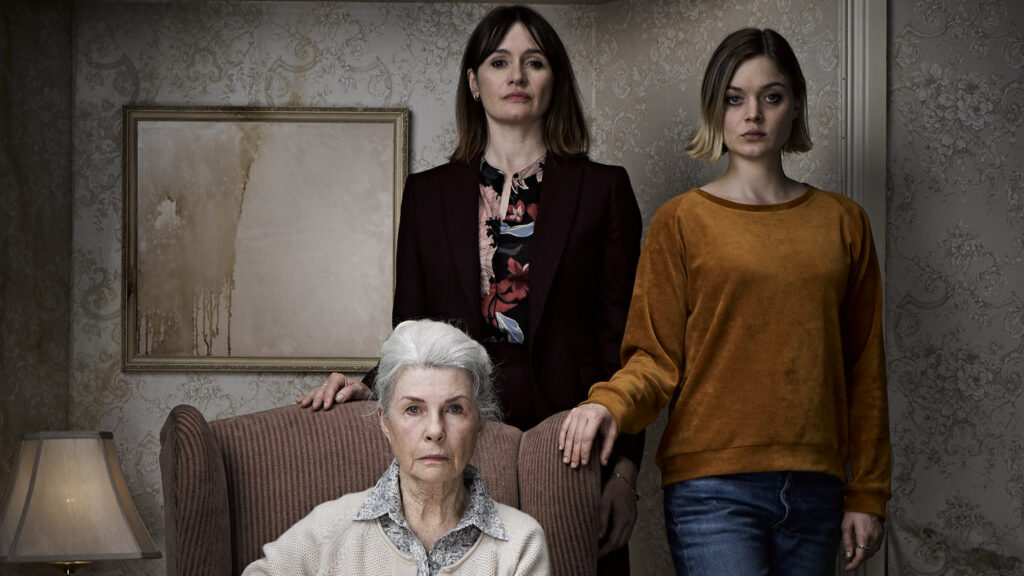
What it’s about
Three generations of women confront something malignant in a decaying house — or inside their own lineage. Grief, dementia, and something crawling under the wallpaper.
Chewie’s Take
It’s what grief mould would look like if it sprouted legs. Slow and suffocating. You feel sad before you feel afraid. Australia took dementia horror and executed it with terrifying tenderness.
10. LAKE MUNGO (2008)
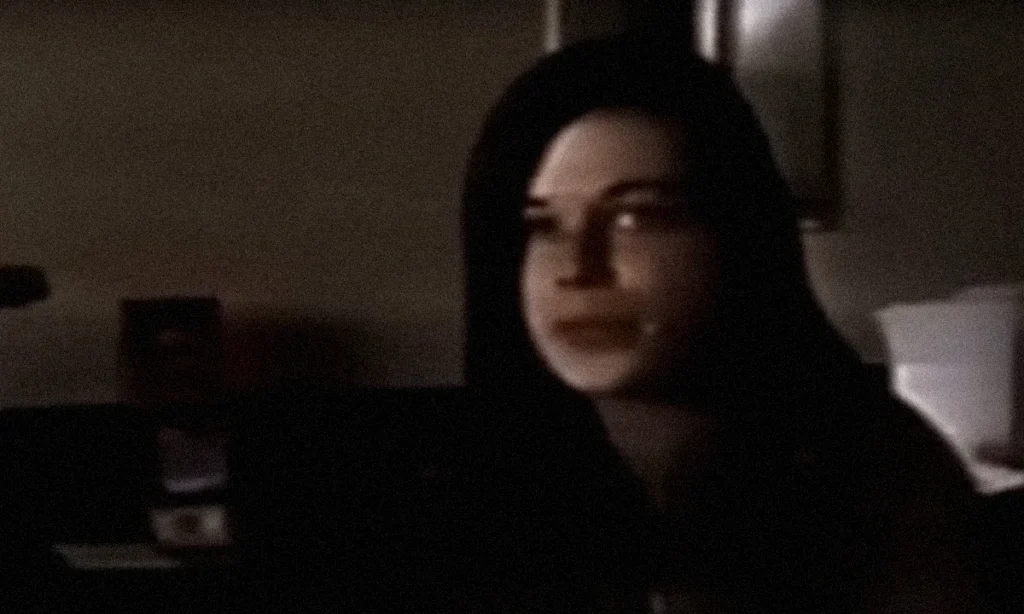
What it’s about
A grieving family uncovers disturbing secrets about their daughter through found footage, interviews, and uncanny glimpses caught on camera. Nothing is loud. Everything is wrong.
Chewie’s Take
Quiet, eerie, unforgettable. A ghost story that refuses jump scares because the truth is scarier. Grief, secrets, and the kind of emptiness that clings to your skin. One of Australia’s finest.
So why does Australia do horror better than almost anyone? Because Australian horror isn’t afraid of misery — or silence — or letting characters unravel in ways that feel uncomfortably familiar. The sun burns, the land stretches forever, and the people are just isolated enough to start hearing things that aren’t there. These films don’t chase scares; they let dread seep in like heat through corrugated iron. They gnaw at you long after the credits. They leave teeth marks.
Down under, the monsters aren’t in the shadows. They’re sitting right beside you, asking if you’re “alright, mate.” And somehow, that’s worse.
Images used for editorial and commentary purposes.
Chewie
Still scrolling? Then you're one of us.
Fortnightly recommendations for people whose "comfort watch" is a serial killer documentary. No spam, no filler, no cheerful nonsense.