ByChewie
Edinburgh: The Most Haunted City on Earth
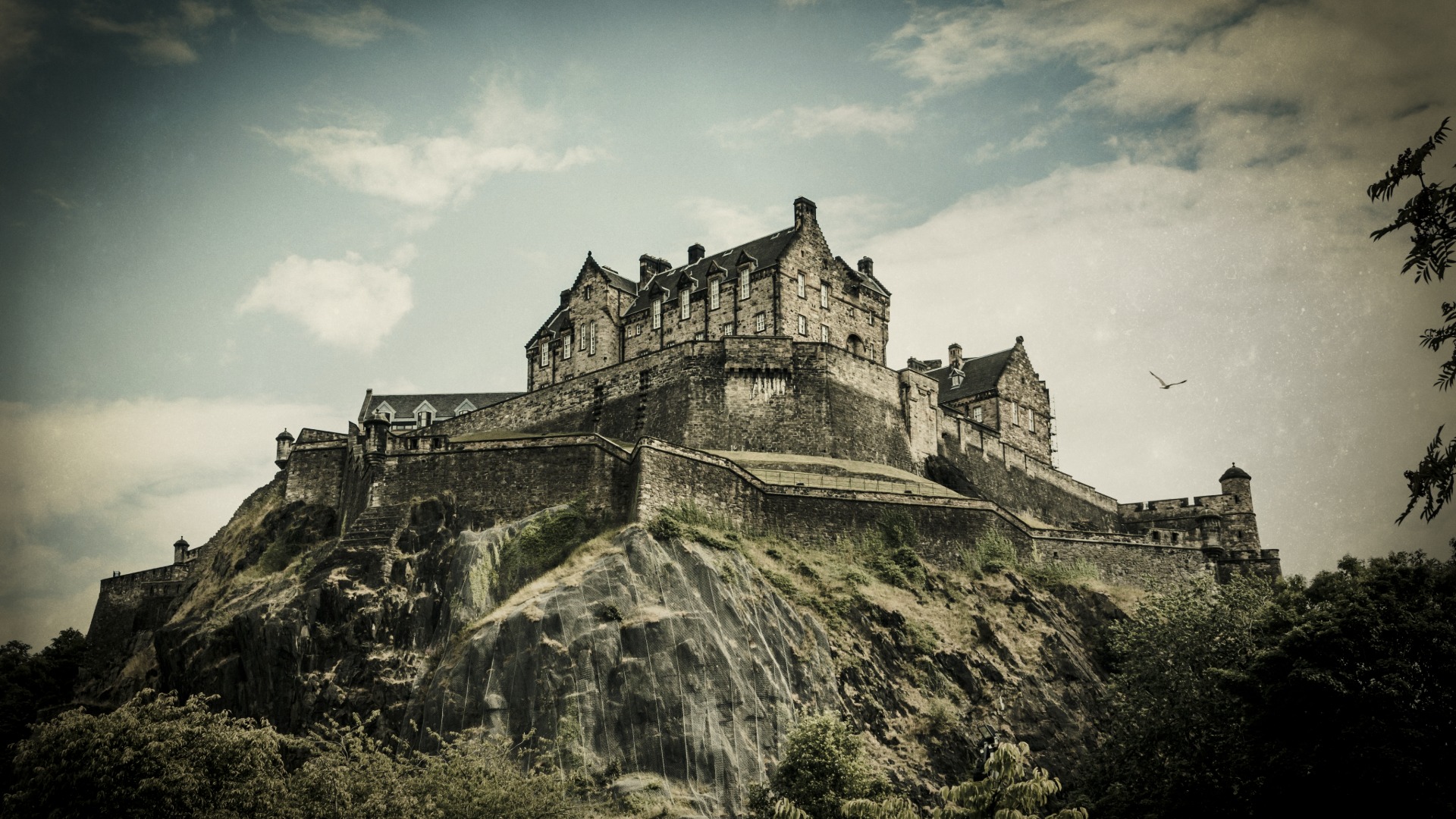
Edinburgh is often called the most haunted city on earth — and it doesn’t waste any time proving it. It just hands you the weather, the history, the topography, and says, “Good luck, hope you brought layers.”
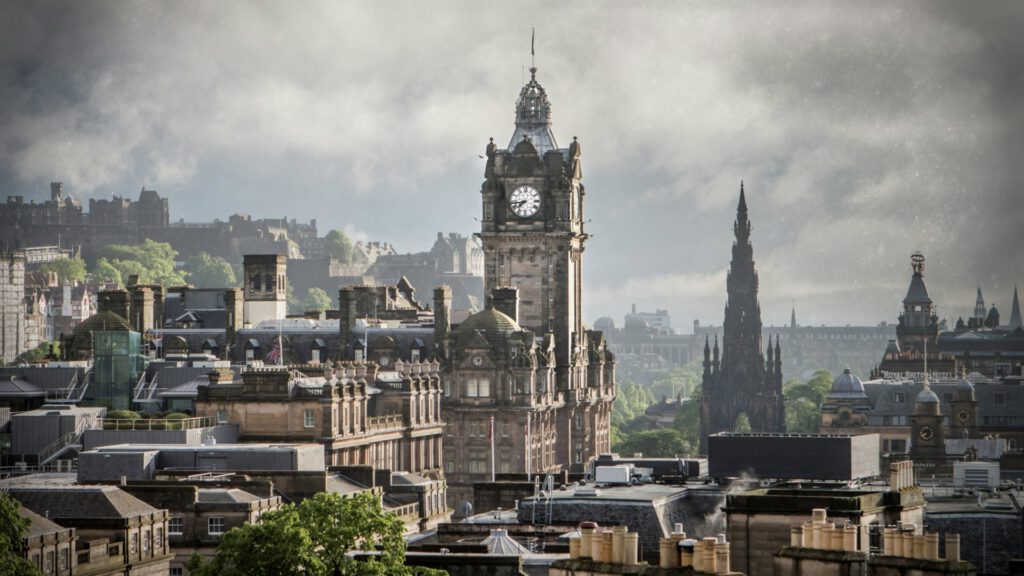
Some cities feel old; Edinburgh feels charged — like something ancient is humming under your feet. The cobblestones watch you. The closes breathe. The castle sits on its volcanic rock like a warning you chose to ignore. People always talk about how beautiful Edinburgh is, and yes, it is — in the way a storm rolling in over black water is beautiful right before it hits. The whole place radiates a kind of elegant dread. Fog rolling down the Royal Mile like a Stephen King novel. Gulls screaming like they’ve seen too much. Buildings leaning into each other as if sharing secrets. The living are just passing through. The dead have already signed the lease. And that’s why Edinburgh is the most haunted city on earth. Because the line between past and present isn’t blurred here — it’s gone.
Some cities feel old; Edinburgh feels charged — like something ancient is humming under your feet.
The Geography Was Doomed From the Start
You can’t build a city on a pile of extinct volcanoes and expect normal things to occur. Edinburgh rises upward like it’s trying to escape something underneath it — which, historically, it was. The Old Town was a vertical human experiment: too many people, not enough space, everything stacked on itself like a medieval Jenga tower made of smoke, disease, and questionable decisions. Tenements stretched so tall they made the skyline anxious. Waste rolled downhill in a manner best described as “unregulated.” The living clung to the upper floors. The lower levels belonged to whatever wasn’t ready to leave. Some cities have ghosts because someone died there. Edinburgh has ghosts because every layer of it used to be a different city. Walk the Royal Mile and you’re basically walking right over the grave of another city.
The Plague Pits Are Still Down There — Enjoy Your City Break
People love to talk about Edinburgh’s charm. They talk less about the plague victims bricked in behind walls, sealed under floorboards, buried in pits that were “temporary” in the same way a bad haircut is temporary. Mary King’s Close is the famous one — the quarantined street left intact beneath the city like a fossil of fear. But it wasn’t unique. Edinburgh’s underground is a patchwork of long-forgotten rooms, unused vaults, and spaces that were closed for “structural reasons” and absolutely not because something down there screamed back. When you stand in the Old Town, you’re above the dead. When you stand in the underground vaults, you’re among them. And if you’re wondering whether the locals are worried about all this — they’re not. They find it quaint.
Burke & Hare: Scotland Invents the Side Hustle
Every haunted city needs a pair of icons, and Edinburgh has two absolute legends of entrepreneurial horror: William Burke and William Hare, men who looked at the ongoing body shortage in the medical schools and thought, “Well, that’s a solvable problem.” People like to call them grave robbers, but that’s inaccurate. They skipped the grave part entirely. Burke & Hare murdered their way into history with the confidence of men who believed in efficiency. They suffocated people, delivered the bodies to Dr. Knox at Surgeon’s Square, collected their cash, and went home. Small business owners. Visionaries. Horrifying. The city still carries the echo of them — especially in Surgeon’s Hall, where medical students once learned anatomy by cutting open people who had been very much alive 24 hours earlier. Edinburgh’s academic prestige was literally built on corpses. You don’t need ghosts when your history is already this feral. If Burke & Hare scratched an itch you didn’t know you had, our essential true crime docs will finish the job.
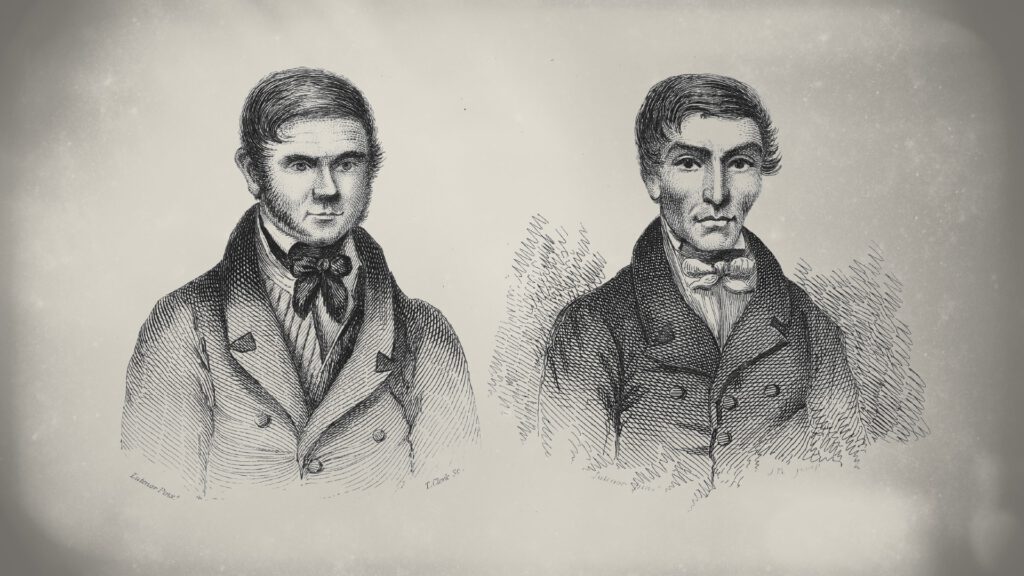
Burke & Hare murdered their way into history with the confidence of men who believed in efficiency.
The Witches Who Never Got Their Apology
Edinburgh burned witches with extraordinary enthusiasm — not just a few, but hundreds. Scotland executed more accused witches per capita than any country in Europe, which is a statistic no one asked for and everyone remembers. North Berwick, the Lothians, the Castle Esplanade — all places where women (and some unlucky men) were strangled and burned because someone’s cow died or a neighbour had a vendetta. To this day, parts of the city feel scorched. And the thing about unjust deaths? They don’t go quietly. Ghost stories cling hardest to the wounds that were never healed. Edinburgh is practically made of them.
The Vaults: Where the Light Doesn’t Reach (By Design)
Under South Bridge lies the Niddry Street Vaults — a network of chambers once used by merchants, then abandoned, then reclaimed by people who had nowhere else to go. The poor lived there. Criminals thrived there. The city let the vaults rot. Today, they’re a tourist attraction. Which is hilarious, because the vaults are the closest thing Edinburgh has to a mouth. They swallow sound. They sweat cold. Every step feels like you’re trespassing in a place that remembers everyone who ever tried to survive inside it. I’ve been in the vaults. It’s the sort of darkness that doesn’t feel empty — it feels occupied.
The Graveyards Are Busy (And Not Just With Tourists)
Greyfriars Kirkyard is beautiful in daylight and “why is something behind me” after dark. It’s famous for the Mackenzie Poltergeist — a spirit so aggressive it’s basically the bouncer of the Covenanters’ Prison. Then there’s Canongate, Calton Hill, St. Cuthbert’s — graveyards so old they’re practically retirement homes for ghosts. Bones have been moved, graves re-dug, plots rearranged like badly managed Airbnb bookings. The dead in Edinburgh have been relocated so many times they’re still trying to figure out their forwarding address. And the city wonders why it’s haunted.
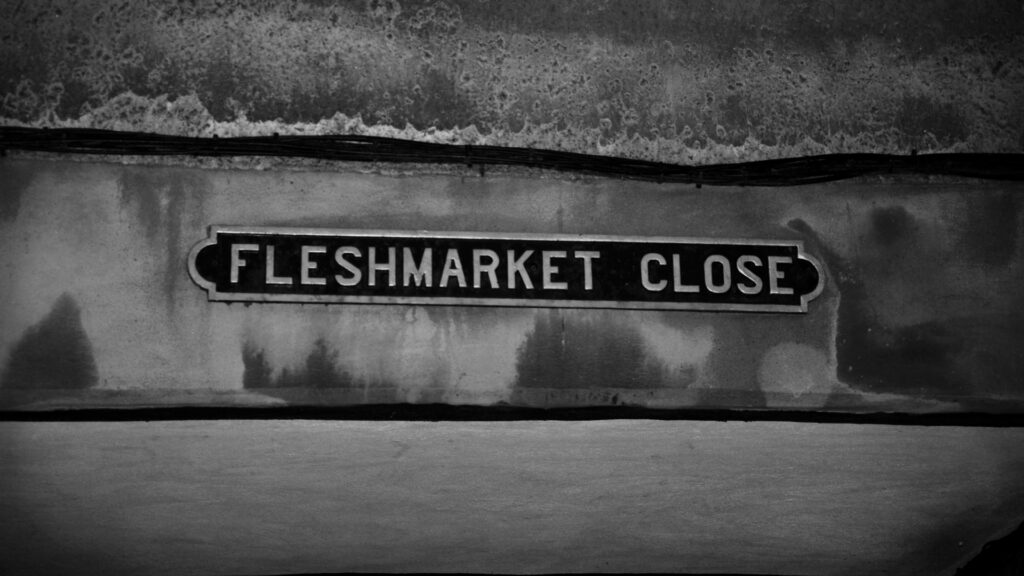
Modern Edinburgh Still Has That “Someone’s Following You” Energy
Even after centuries of plague, witch hunts, murder, riots, medical horrors, spiritualist panics, and architectural decisions that should have been crimes, Edinburgh still hasn’t shaken the feeling that someone is watching. Not maliciously. Not even sadly. Just… watching. You walk down an alley and the air tightens. You turn a corner and your stomach drops like you’ve interrupted something. Every building leans as if listening. Edinburgh isn’t haunted by tragedy. It’s haunted by attention. The city remembers everyone who’s ever walked through it — and it’s waiting to see what you’ll add to the pile.
So Why Is Edinburgh the Most Haunted City on Earth?
Because it has layers — historical, architectural, emotional, human. Because so much horror happened so close together that it never had time to dissipate; the city has a horror hangover of gigantic proportions. Because the underground city never died; it just changed tenants. Because it’s a place where the dead didn’t leave and the living didn’t stop building. Edinburgh isn’t haunted because of its ghosts. It’s haunted because it refuses to let any story end. You don’t visit Edinburgh. You pass through — and something else stays.
You don’t visit Edinburgh. You pass through — and something else stays.
Title image credit: Jorg Angeli / Unsplash
Chewie
Still scrolling? Then you're one of us.
Fortnightly recommendations for people whose "comfort watch" is a serial killer documentary. No spam, no filler, no cheerful nonsense.