Chewie's Picks
Featured Posts
 ByChewie
There are two kinds of people in true crime: those who get a lawyer… and those who think they’re smarter than a camera.
The Cringe Files honours the second group — the suspects, sort-of-suspects, and panic-sweating public figures who sit down for an interview and immediately tank their reputation with a single sentence, eyebrow twitch, or catastrophic alibi that definitely sounded better in their head.
These aren’t the worst crimes. These are the worst performances. Let the cringe begin.
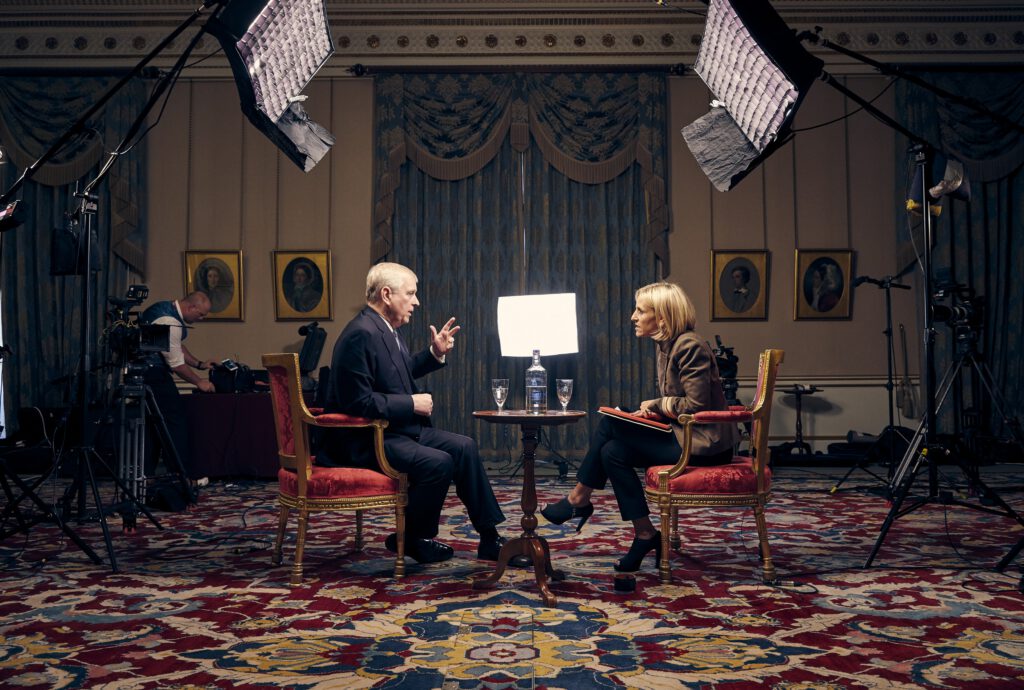
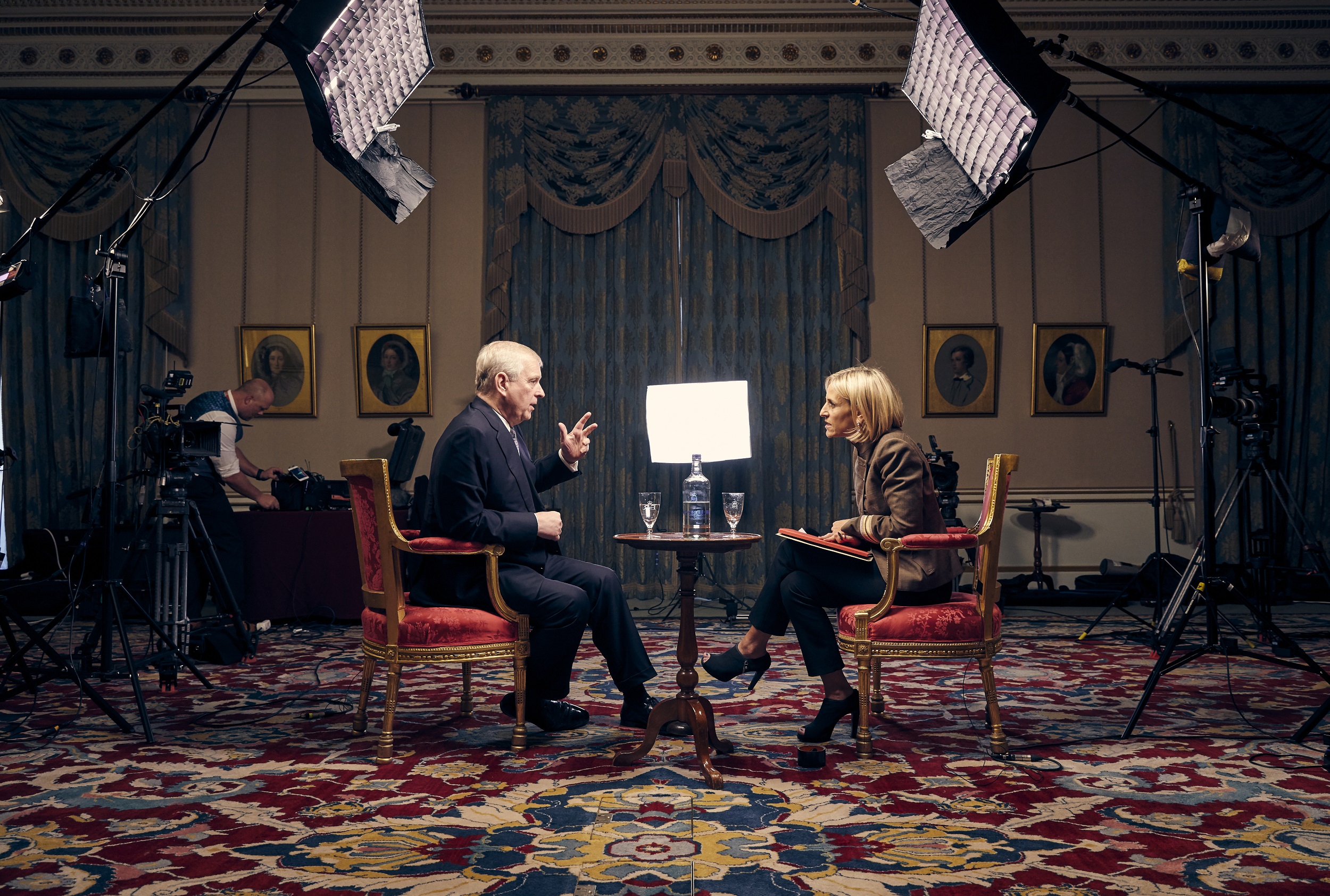
The reigning monarch of catastrophic interviews. He sat down with BBC’s Newsnight to clear his name and instead delivered the most spectacular PR self-immolation ever captured in HD. A sweating man claiming he can’t sweat. An alibi involving a children’s pizza chain delivered with Shakespearean sincerity. That weird robotic posture. The total absence of empathy. He walked in a prince and walked out a meme. It’s the gold standard of “you absolutely should not have done that.”
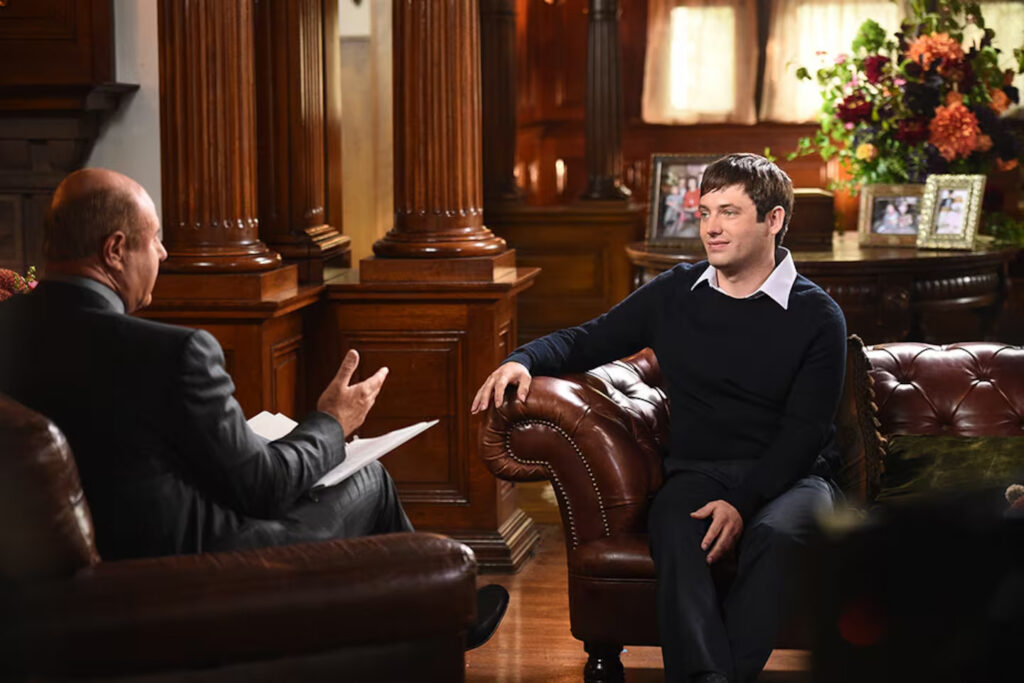
Dr Phil probably expected a tense but normal interview. What he got was an unsettling montage of strange smiles, off-timing laughter, and answers that felt like they’d been rehearsed in a mirror. Burke wasn’t guilty — but the interview made him look like the lead character in a psychological horror movie about a kid who never blinks. It didn’t help that he was talking about one of the most infamous unsolved cases in America. Internet sleuths feasted for years. Sometimes body language just… betrays you.
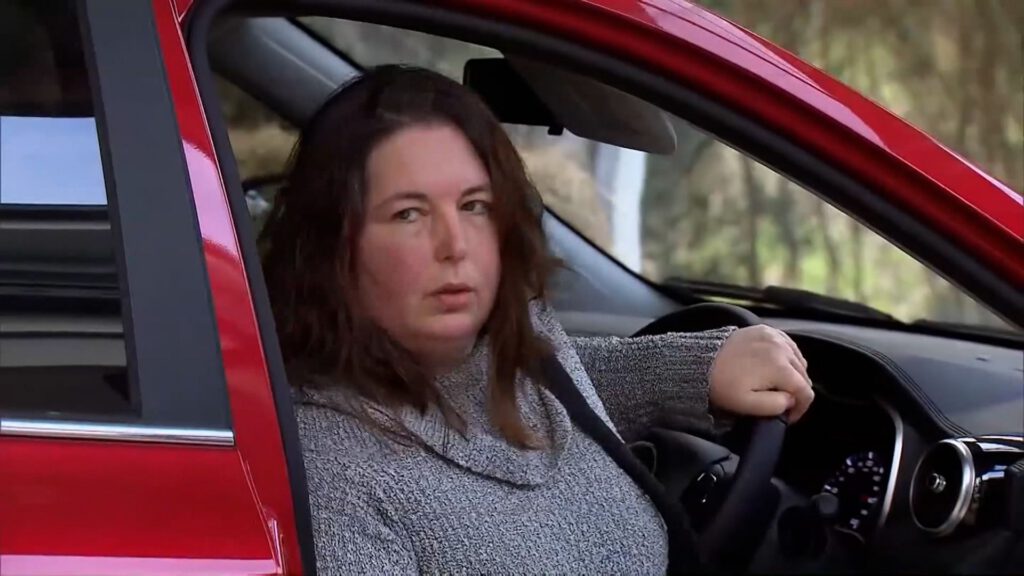
Imagine trying to look innocent while the entire world is staring at your tissue-dabbing performance like it’s the opening night of a high school play. Patterson’s trembling voice, repeated lines, and strategically-timed sniffling turned a routine press Q&A into Australia’s most-watched cringe event. She wasn’t charged at that point — but the performance had a very specific energy: “I am absolutely holding it together, don’t ask me anything that requires brain function.” Media training: zero. Suspicion: off the charts.
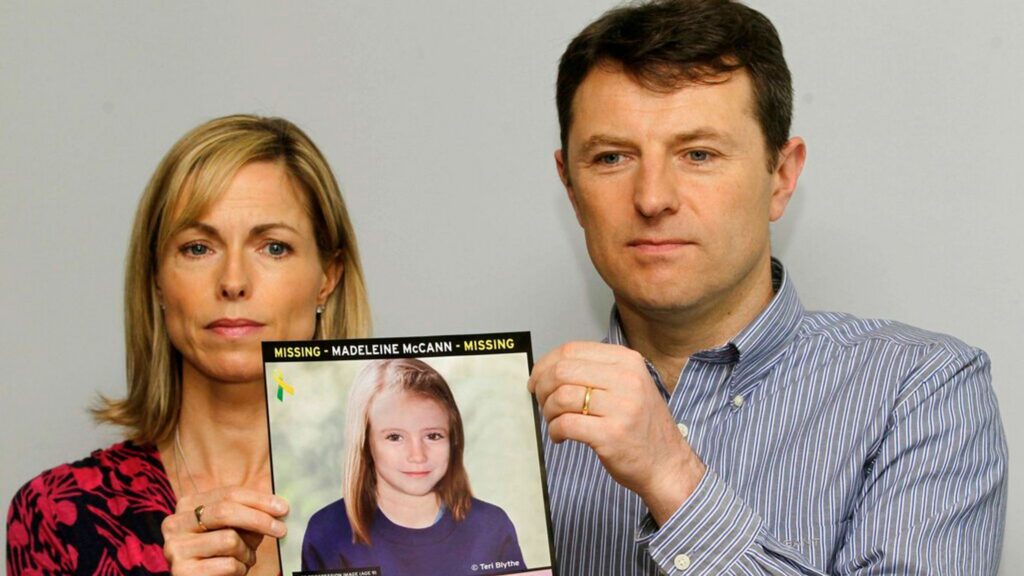
Let’s be clear: they weren’t guilty. But their interviews became a masterclass in how polished, controlled media appearances can accidentally make you look like a Bond villain. The tight smiles. The clipped tone. The rehearsed soundbites. The refusal to deviate from the script even when they were clearly exhausted. It wasn’t incriminating — it was just deeply unhelpful optics. The public wanted vulnerability; they got PR. And PR always reads as guilt when a child is missing. A tragic case made worse by bafflingly rigid media strategy.
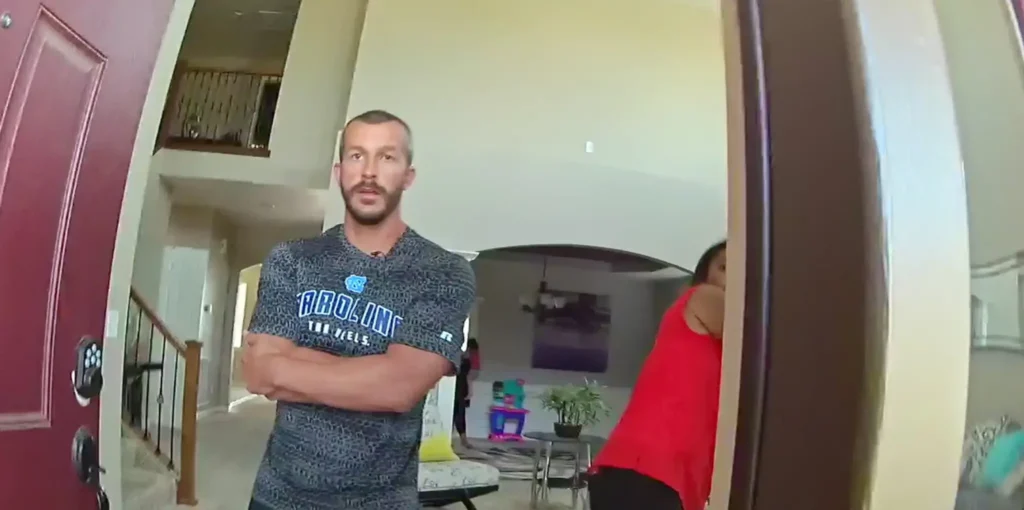
Before confessing to murdering his entire family, Chris Watts gave a backyard TV interview that had the emotional range of a malfunctioning IKEA lamp. He smirked. He swayed. He spoke like someone reading from cue cards written by a bored AI. “I just want them to come back,” he said with the flat affect of a man ordering a sandwich. His eyes were empty in a way that made the entire internet go: “Oh yeah, he did it.” By the time he confessed, the interview had already entered the True Crime Hall of Fame under “Least Convincing Husband Alive.”
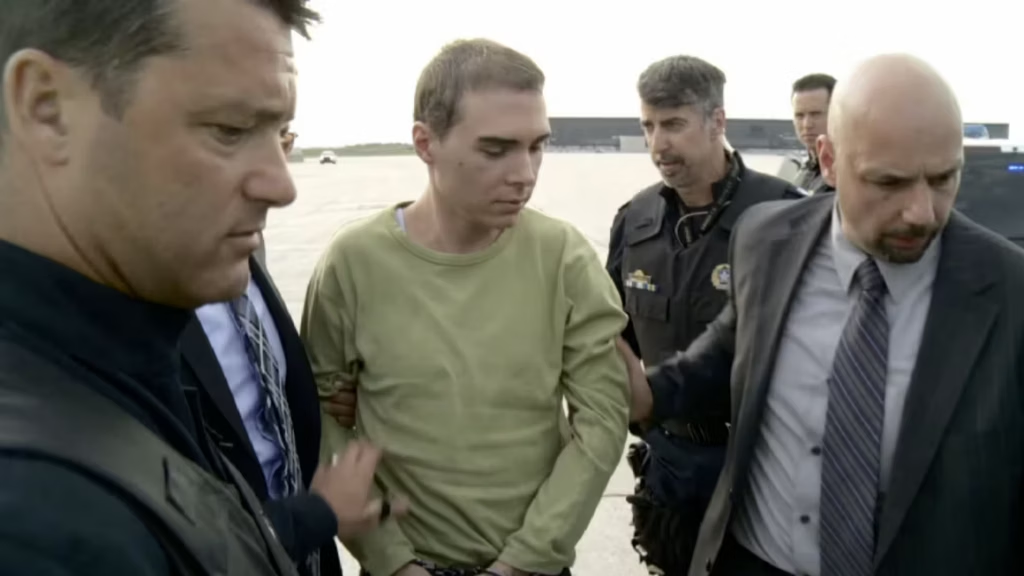
Before the horrors of Don’t F**k With Cats, Magnotta gave an interview about being “harassed online.” Watching it now is like viewing a cult documentary in reverse. The posture, the vanity, the carefully curated victimhood — all wrapped in that eerie calm. There’s a specific look people get when they believe the camera loves them more than the truth does. Luka had that look. In neon. The interview aged into pure nightmare fuel.
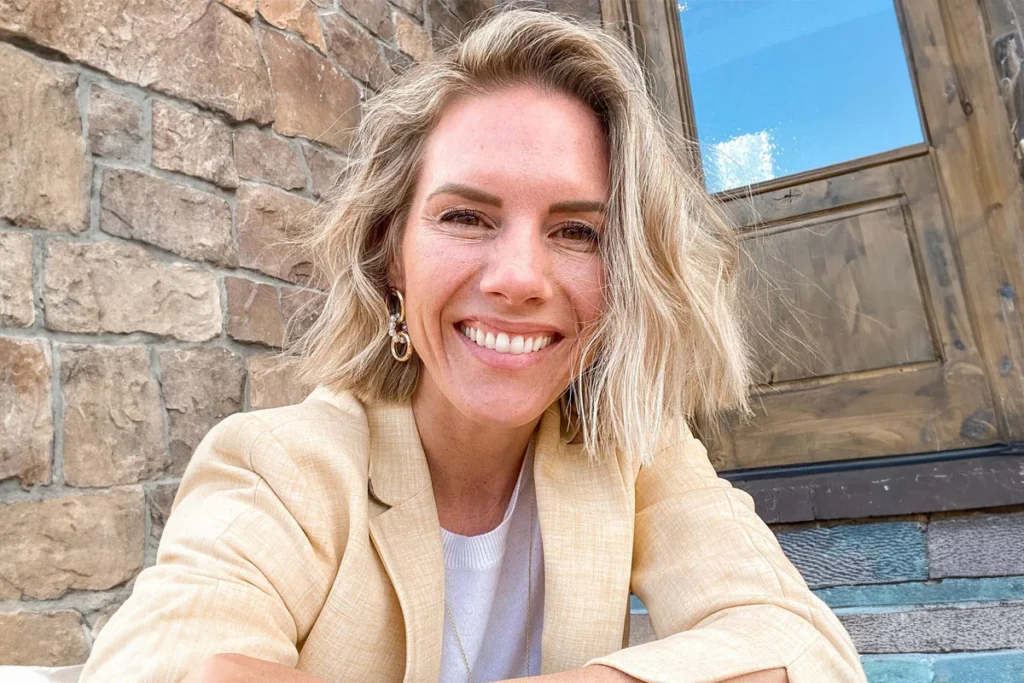
Before her arrest for child abuse, Ruby Franke went on all sorts of podcasts, local interviews, and influencer-adjacent appearances defending her “discipline style.” Those clips now play like a slow-motion building collapse. Smiling through obviously concerning anecdotes. Explaining punishments in the same tone you’d use for a quinoa salad recipe. The dissonance was enormous. You watch her talk and think: There’s something very wrong here, and I don’t think the ring light can save you.
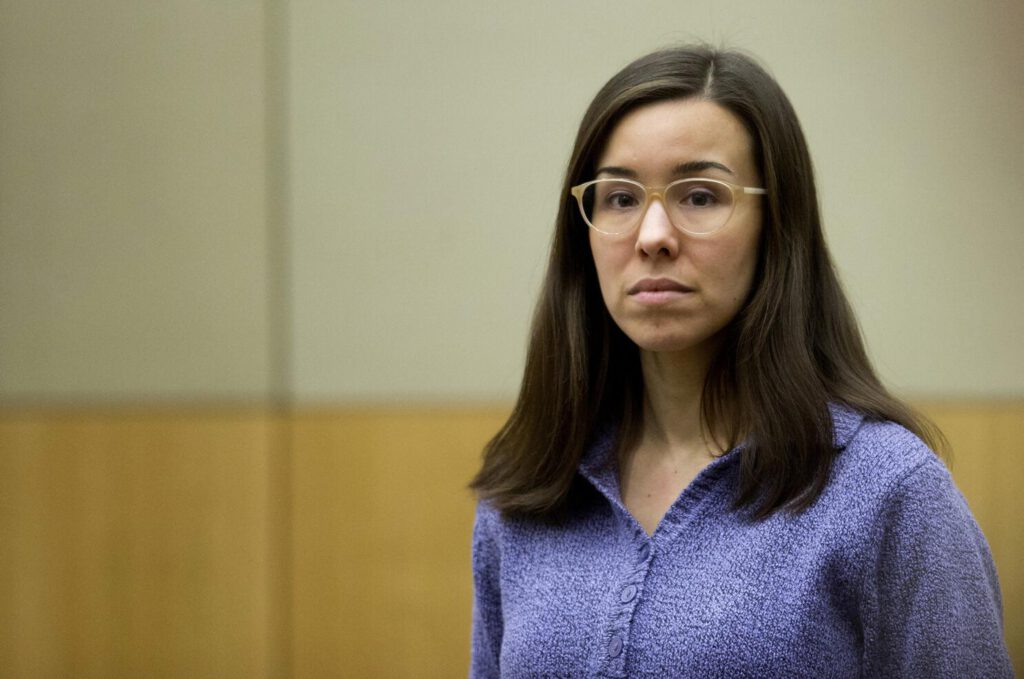
Arias sat down for an interview while being accused of brutally murdering her ex — and delivered the single most overconfident line in modern true crime: “No jury will convict me.”
Guess what happened next.
Her interview persona was unsettlingly calm for someone facing a death sentence. She tried to sound wise, enlightened, detached… and instead created a masterclass in narcissistic cringe. That one sentence followed her straight into conviction — irony working overtime.
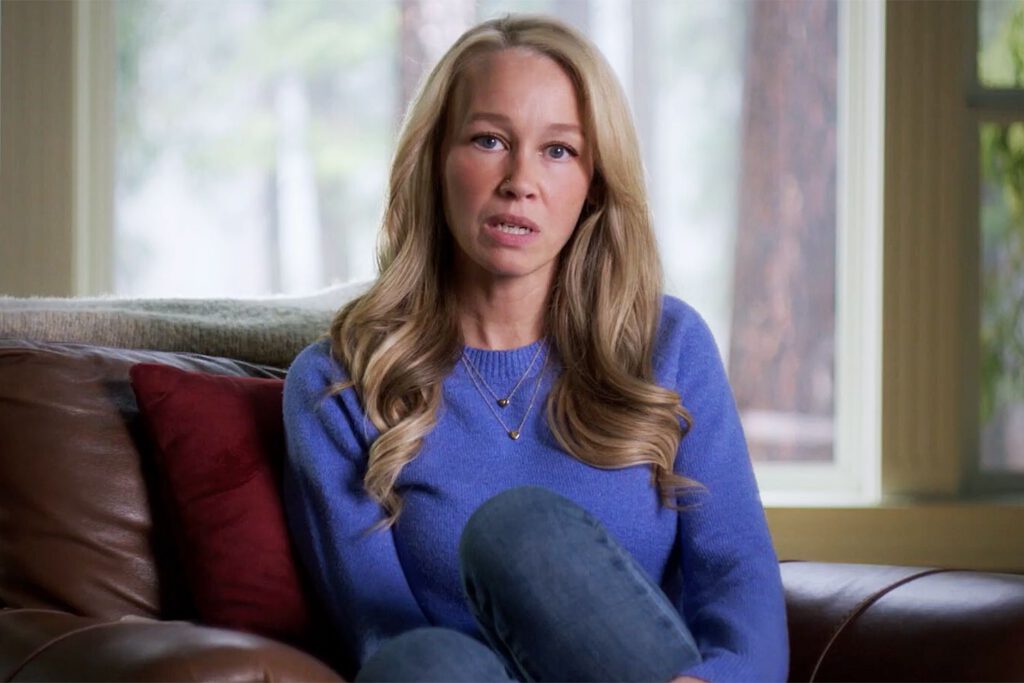
When Papini “returned from captivity,” she served trembling-voiced interviews filled with dramatic pauses and misty eyes. She recounted the alleged abduction like someone performing trauma monologues at an amateur theatre festival. And people wanted to believe her — until the whole thing unraveled into an elaborate hoax involving ex-boyfriends and self-inflicted injuries. The interviews aged like warm milk. Every single teary-eyed line suddenly felt like bad improv.
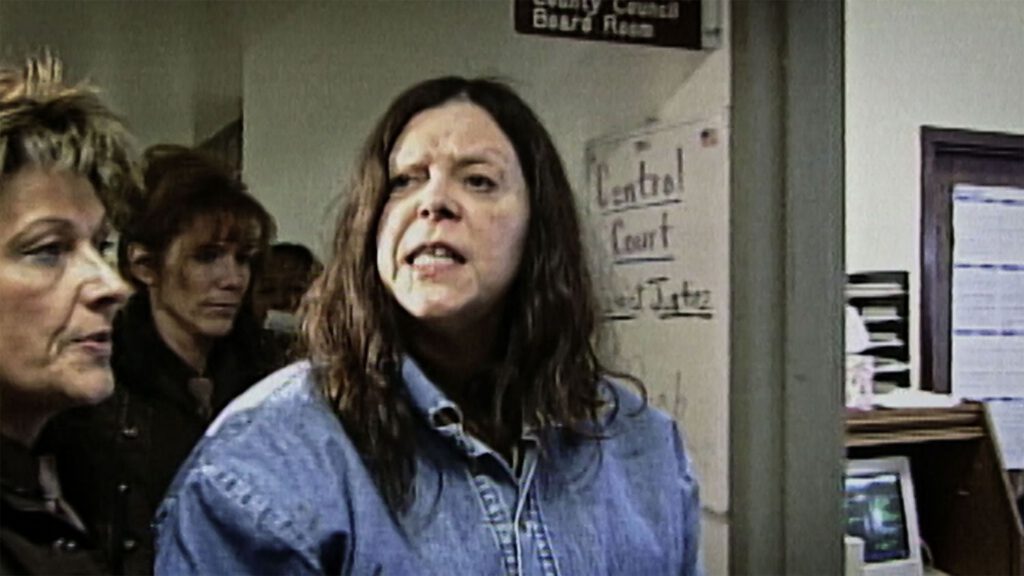
Technically part of the Evil Genius coverage rather than a single sit-down, but too juicy to skip. Diehl-Armstrong gave interviews so chaotic they felt scripted by the devil’s casting director. Rambling denials. Sudden fury. Bizarre tangents. Wild accusations at random strangers. It had the manic energy of someone trying to talk their way out of a nightmare they absolutely choreographed. A reminder that the line between “innocent interviewee” and “unhinged co-conspirator” can be crossed in under three sentences.
Some people crack under pressure. Some people sweat. Some people smile at the wrong moment. And some people should never, ever sit in front of a camera without legal supervision and a tranquiliser dart nearby.
If there’s one lesson the Cringe Files teaches, it’s this: evil is rarely intelligent — but it’s almost always confident. Confidence gets you into the interview. Stupidity gets you onto this list.