Chewie's Picks


Featured Posts



 ByChewie
The calmest water hides the loudest ghosts. From a distance, Lake Lanier looks like a success story. A man-made marvel. A recreational triumph. The kind of place sold as proof that progress can be engineered, measured, and monetised. But lakes remember what we try to bury — and this one remembers everything.
Lake Lanier looks ordinary at first. Blue water. Speedboats. Summer holidays. Instagram families pretending they’re in a travel ad. But you only need five minutes of research to realise this lake is less “picturesque getaway” and more “grand-scale aquatic mistake.” It isn’t a natural lake. It’s a drowning. The U.S. government flooded entire towns, roads, cemeteries, and communities to build it — and they didn’t exactly clean up before filling the basin with billions of gallons of water. Houses, churches, cars, farms, debris, entire neighbourhoods — all still down there. And then people acted shocked when the place started behaving like a wet graveyard. There are lakes you swim in. And then there’s Lake Lanier.
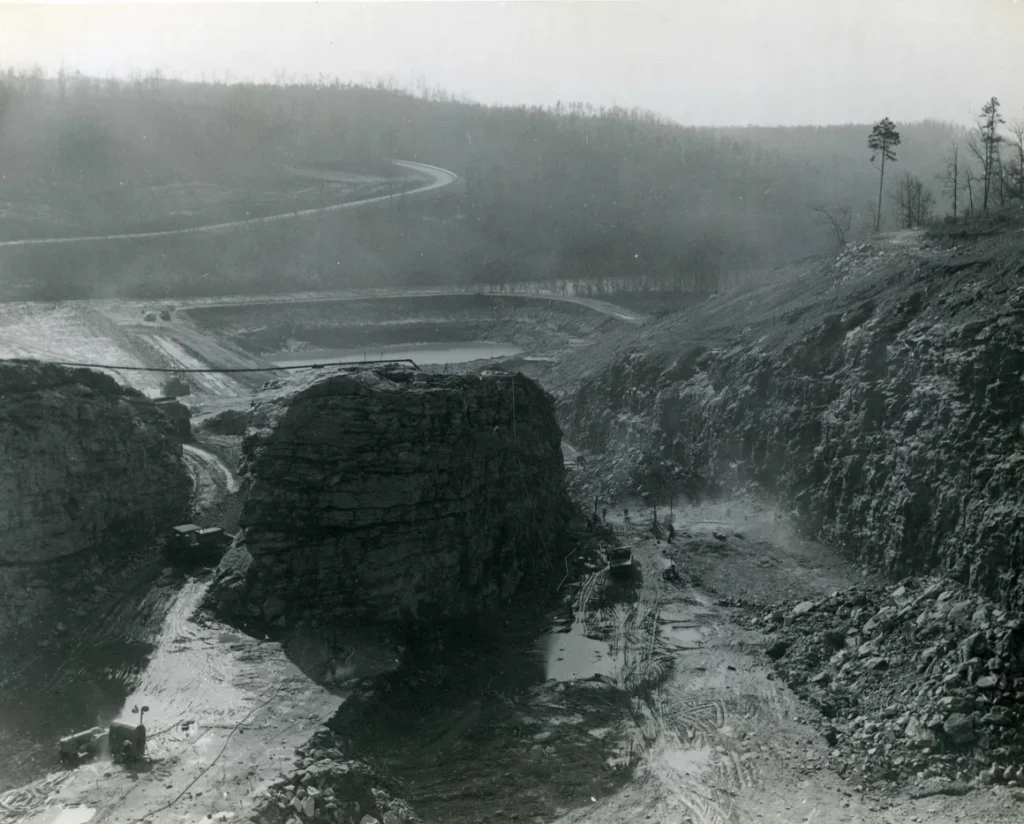
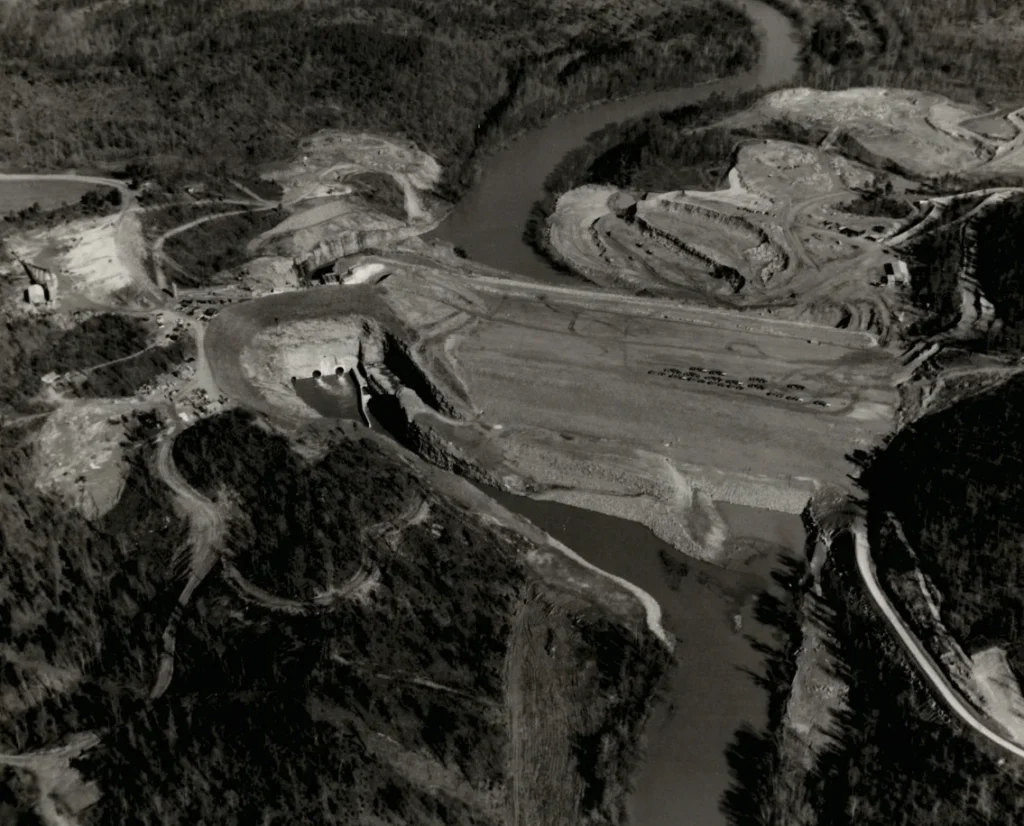
Officially, people drown everywhere. Unofficially, Lanier feels like it’s keeping score. Since the lake was created in the 1950s, more than 700 deaths have been recorded. Some estimate the real total is higher — bodies that never surfaced, accidents never fully accounted for. On average, 15–20 deaths occur here each year, far more than similar man-made lakes of the same size. Lake Allatoona, just an hour away and also man-made, has a fraction of the fatalities despite having similar visitor numbers and boating traffic. At a certain point, the numbers stop looking like coincidence and start looking like a pattern. Lanier isn’t just dangerous. It’s greedy. Lanier is a people-eater disguised as a holiday resort.
Rescuers describe the lake as pitch-black below the surface, full of old timber that grabs at ankles and broken structures that jut out like ribs in the dark. Divers say visibility is so bad that being underwater feels like being blindfolded — except with the constant awareness that you’re moving through forgotten places. This is the kind of lake where if something brushes your leg, it probably has a birth certificate.
Before it was a recreational hotspot, the land under Lake Lanier belonged to actual communities — including the predominantly Black town of Oscarville, which was violently displaced after racial terror and mob attacks. That story didn’t wash away. It sank. Entire livelihoods were submerged under the promise of “progress.” Corpses moved from cemeteries — except not all of them. Some graves were relocated with care. Others were left to chance, because water covers shame faster than paperwork does. If you build a lake on top of racial violence and bone-deep neglect, don’t act shocked when the place starts behaving strangely. The idea of a curse isn’t supernatural. It’s historical.
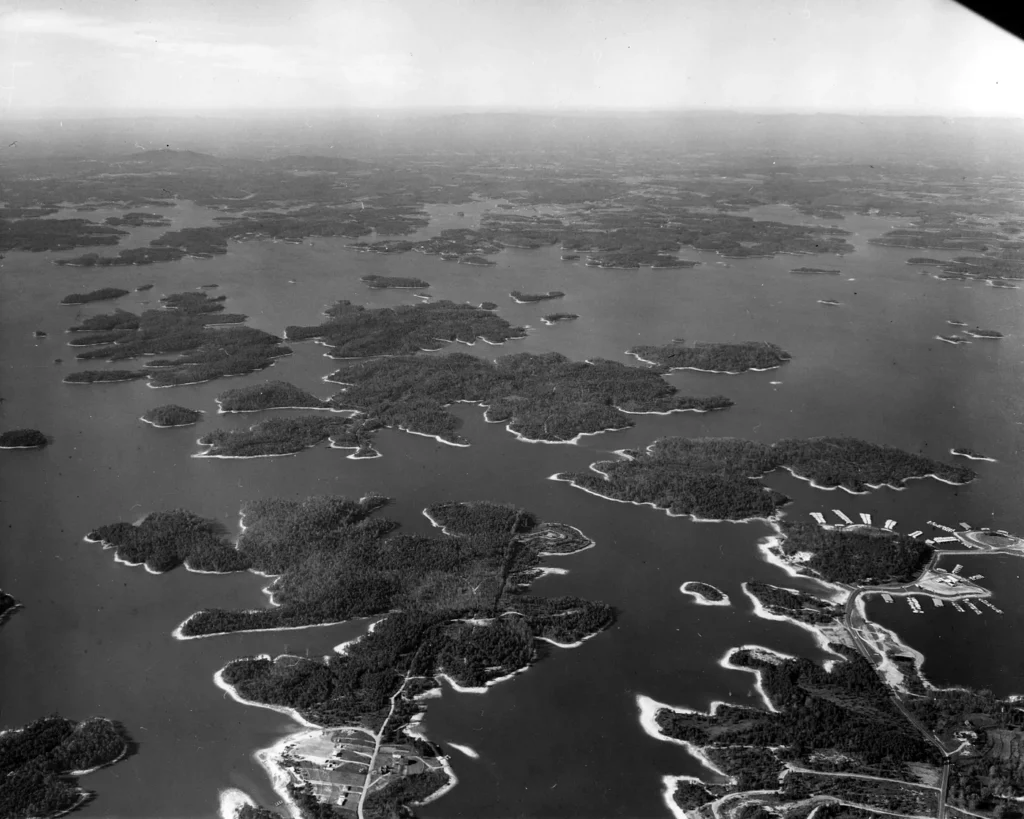
Lanier has the kind of submerged inventory you usually see in apocalypse games: roads, street signs, Ferris wheel parts, trees still standing upright underwater, old boathouses, foundations of homes, rusted cars, and the remains of a racetrack. If you drained the lake tomorrow, you could probably walk through the shell of Oscarville like it’s a museum — or a mausoleum. Divers report entire tree trunks rising from the bottom like pillars in a drowned cathedral. Some describe getting tangled in branches forty feet down — trees that died gasping for air, still rooted in place. People say the lake pulls you down. The truth is simpler: there’s a whole world under there that never asked for visitors.
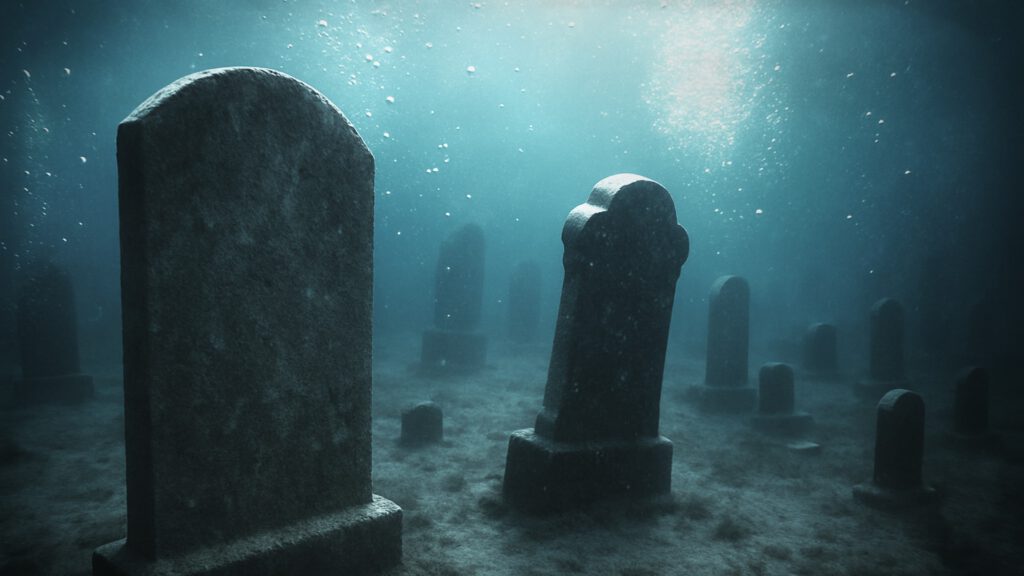
Ask anyone who nearly drowned in Lanier, and their stories rhyme. A sudden drag. A sharp pull. No clear cause. Something near their legs. Something grabbing. Authorities call it debris. Survivors call it hands. Anything that used to be a town has too many things that could touch you. I don’t need to know what. I just know I’m not getting in. Even experienced swimmers panic in that water. Even trained divers hate descending into it. Even sceptics get quiet talking about it. This isn’t a spooky lake. It’s an unsettled one.
Lanier fascinates people because it’s two nightmares wrapped together: a creepy body count and a literal underwater ghost town. It feels like a horror story someone forgot to finish writing. You’re not just swimming above water. You’re swimming above other people’s lives. Their memories. Their houses. Their trauma. Their unfinished endings. No wonder it feels wrong. No wonder people keep dying.
Here’s my official stance, and I’m saying this with love: not a fuck am I swimming in any lake where I can’t see my own feet. Lanier is my personal nightmare fuel — dark water, unknown shapes, entire drowned towns beneath me like a sunken suburb waiting to grab an ankle. Absolutely not. Couldn’t pay me. This is the lake version of “don’t go into the basement,” and people insist on waterskiing over cemeteries. At some point the deaths stop looking random and start looking like a warning. People call it cursed. I call it obvious. If you need me, I’ll be on land — where everything that can grab me at least has the decency to be visible.
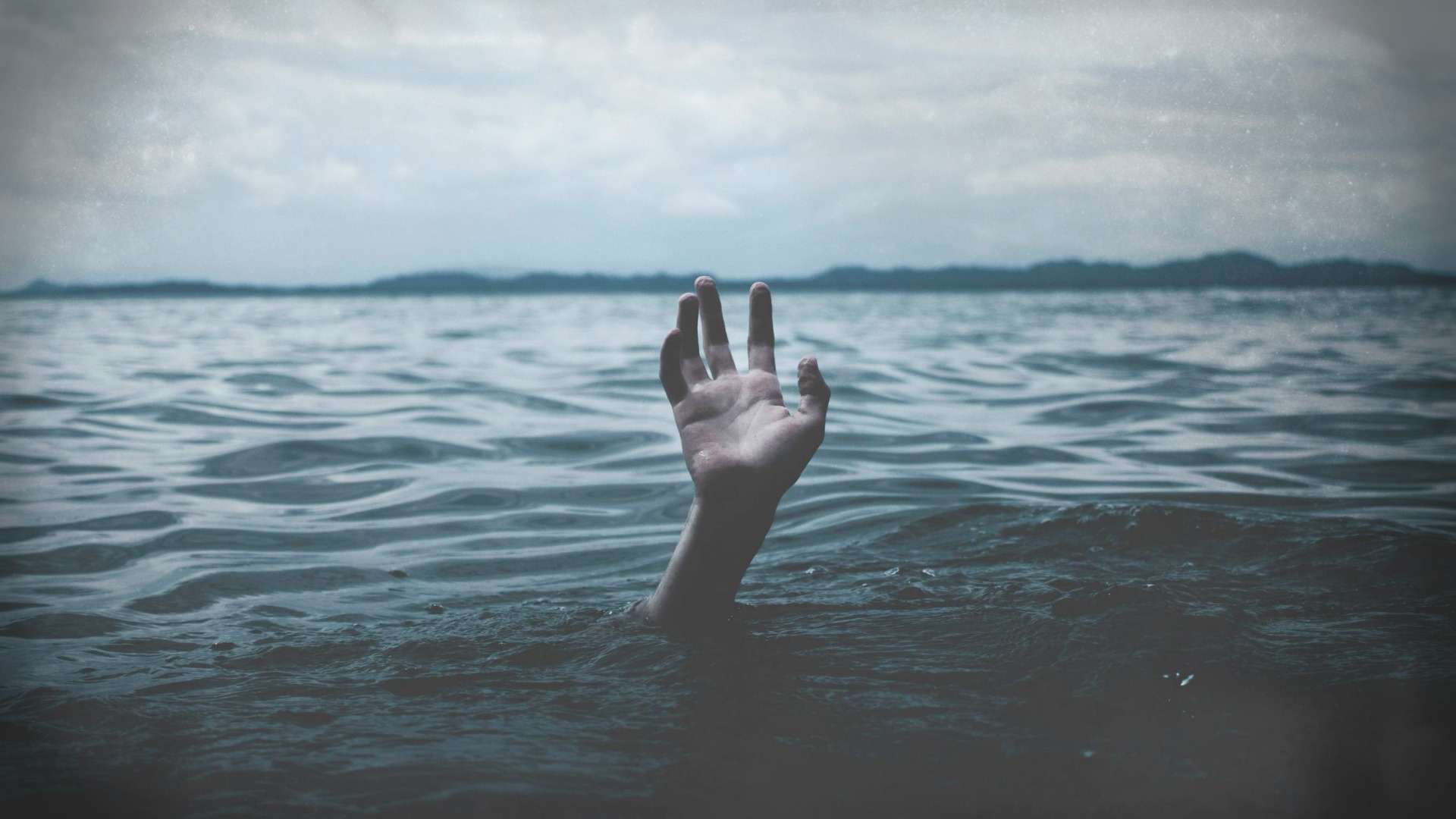
Title image credit: Stormseeker / Unsplash
Image credits: USACE / U.S. Army Corps of Engineers, Floyd Jillson / Floyd Jillson Photographs / Kenan Research Center at Atlanta History Center