Chewie's Picks
Featured Posts

 ByChewie
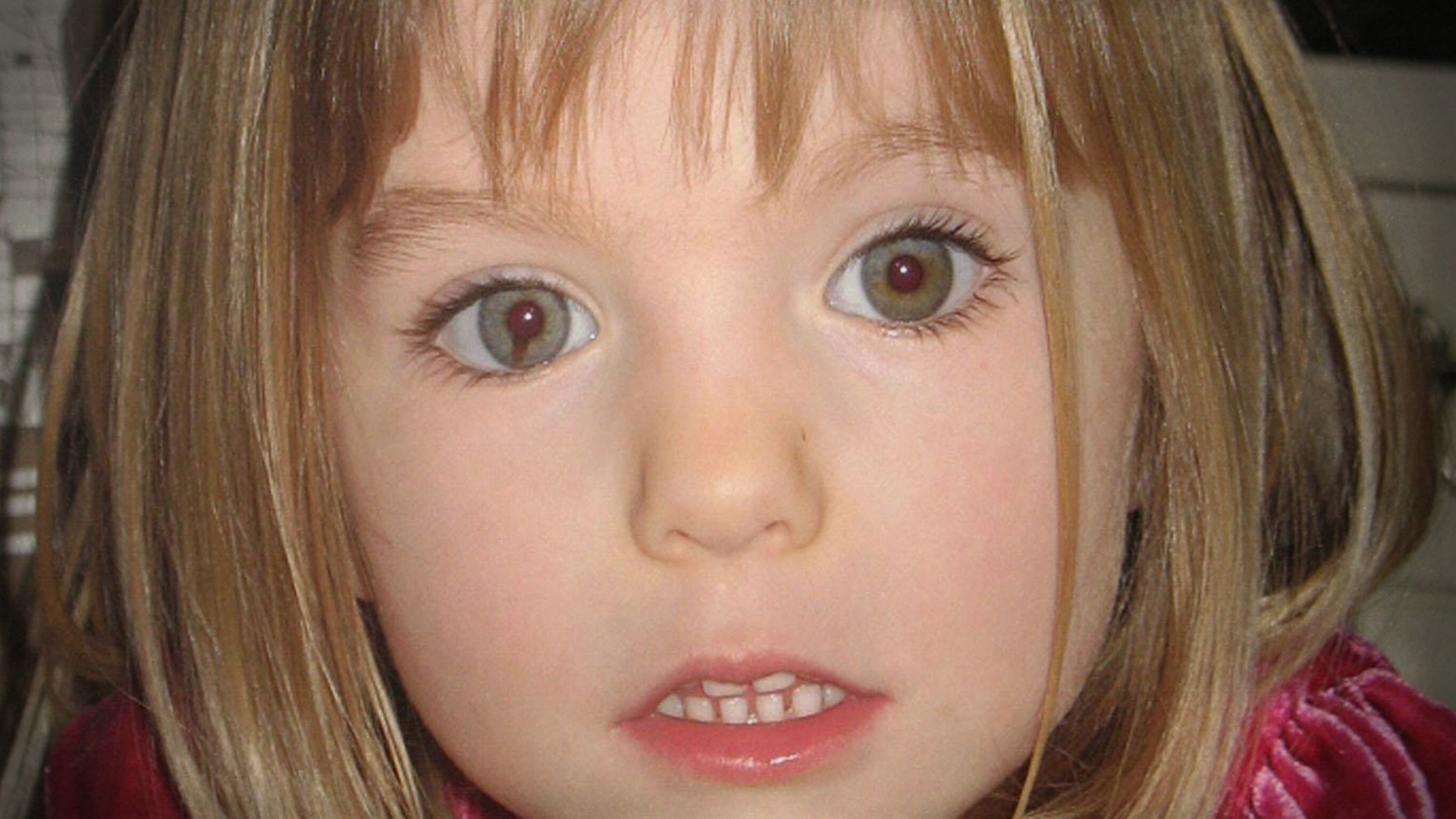
There are cases that fade. Cases that resolve. Cases that live only in podcasts and paperbacks. And then there is Madeleine McCann — a story so large, so loud, so strangely intimate that an entire generation remembers where they were when they first saw her face. It wasn’t just news. It was a cultural rupture. An international vigil. A mystery that grew teeth and started breathing on its own.
The story begins the same way every parent’s nightmare begins: with a sleeping child in a holiday apartment by the sea. The light is warm, the night is ordinary, the adults are close enough to feel safe, far enough to feel free. And then a window that should be closed is open. A child who should be sleeping is not. A bed that should hold a little girl holds nothing at all.
From that single moment, the world split into camps, each clutching its own certainty. Fifteen years later, nothing fits cleanly. No theory stands without wobbling. And yet one truth remains: whoever took Madeleine, or whatever happened to her, the centre of that night is still a hollow space — an absence that swallowed logic, empathy, and entire news cycles whole.
For sanity’s sake, there are only three viable explanations left. They’re not equal, but they’re the only ones that have survived the hysteria, the theories, the documentaries, the press conferences, the German declarations, the online crusades, and the strange, enduring pull of a story that refuses to close itself.
Let’s look at them. Quietly. Carefully. And with the uncomfortable awareness that we were all part of the noise.
(The comforting nightmare — the one that lets everyone else remain innocent.)
It is the classic horror story — the intruder who watches, waits, and slips in through a gap that shouldn’t have been there. This theory rose because it was digestible. It required no villains we knew, only villains we feared. A man no one remembered seeing. A shadow passing by the shutters. A figure carrying something that might have been a child or might have been absolutely nothing at all.
There were alleged sightings. Composite sketches. The “egg man.” The “bundle man.” The “creepy tourist.” Whole summers of headlines built on silhouettes and strangers who looked a bit wrong in the Algarve sun. The public wanted a boogeyman, and they were given an assembly line of them — none of whom ever fit properly.
And yet… something about this theory still seduces. Because if a stranger did it, the universe is cruel but random. A tragic roll of the dice, not a story with a knife buried inside it. This version of events asks nothing more of us than fear.
But the longer you sit with it, the colder it feels. Too neat. Too archetypal. Too built-from-silence. There is no stranger who can be proved. No stranger who can be disproved. And no stranger who has ever been tied to that apartment with anything resembling certainty.
It is a theory that comforts right up until the moment it doesn’t.
(The “case closed” headline the world wanted — and never quite received.)
In 2020, Germany confidently declared they had their man. Christian Brueckner. Repeat offender. Sexual predator. A man who lived in the area, drove the wrong cars, kept the wrong things, bragged to the wrong people. A man whose entire biography reads like a cautionary tale written to frighten children into locking their windows.
For a moment, the collective exhale was almost audible. Finally. A suspect who looked like a suspect. A narrative that clicked into place. A name the papers didn’t have to smear — it arrived pre-smeared.
But evidence is a stubborn creature. And in this case, the evidence mostly refused to cooperate.
No DNA. No witness placing him in the apartment. No timeline that doesn’t sag under scrutiny. No confession that survives daylight. What remains is a man who could have done it, which is not the same as a man who did. The German authorities announce confidence but not clarity. Certainty, but not proof. It is a strange kind of accusation — solid enough for headlines, too thin for closure.
This theory satisfies a deep public craving: the need for a villain who isn’t anyone we recognise. A predator who didn’t belong in the warm lights of a family holiday. A convenient centre for a story that keeps falling apart.
But like everything else in this case, certainty evaporates the moment you touch it.
(The domestic accident and cover-up — the quiet explanation that explains too much.)
There is a third possibility. It is the one nobody wants, the one that turns the story inward, the one that removes the protective layer of “stranger danger” and replaces it with something colder: a terrible accident inside the apartment, followed by panic, fear, and decisions that cannot be undone.
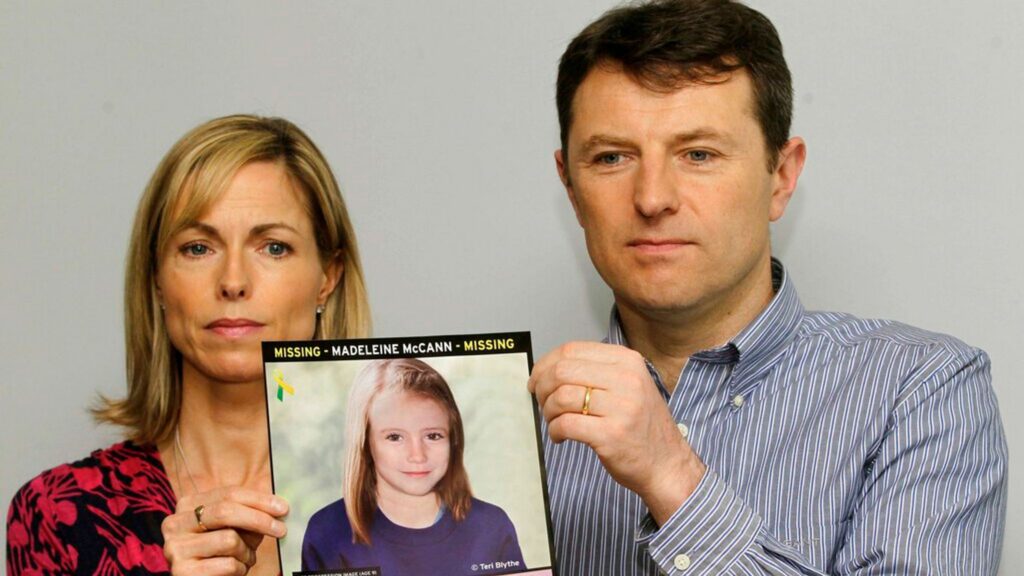
This theory never arrives loudly. It arrives in whispers, timelines, and the little details that make your stomach knot — the cadaver dog alerts, the inconsistencies in the night checks, the strangely composed interviews, the rental car months later, the cupboard, the silence, the strange choreography of grief that didn’t match what the world expected to see.
It does not claim malice. It does not claim intent. It suggests something far more human and far more devastating: a child harmed unintentionally, parents terrified of losing not just their daughter but their medical careers, their lives, their other children. A split-second of horror followed by a cascade of choices made by people who believed, perhaps rightly, that the world would never forgive them for the negligence that preceded the tragedy.
This theory is not proven. It is not disprovable. It is the theory the public resists, not because it is far-fetched, but because it is unbearably plausible.
It explains the dogs. It explains the timelines. It explains the strange calm. It explains the PR machine. It explains the hollow centre of the case that no intruder ever quite fills.
And yet — nothing in this case exists without contradiction. Even this.
But if you’ve followed this story long enough, you know the gravitational pull of this theory. It lingers. It stains. It refuses to leave the room.
Three theories. Three ghosts. Three ways to explain an empty bed in a Portuguese resort on a warm night in May. A stranger who vanished like smoke. A predator the police can’t tether to the scene.
A domestic tragedy buried beneath years of panic, fear, and the terrible logic of people who believed they had run out of choices.
Every theory collapses somewhere. Every theory explains something essential. None explains everything. That is why this case won’t die. It is a story missing its final chapter — a lullaby that ends mid-note.
The sadness of Madeleine McCann’s disappearance isn’t just that a child was taken. It’s that the truth, whatever it is, has been drowned under years of noise, certainty, accusation, desperation, and hope. And somewhere beneath that mountain of hysteria is a little girl whose story deserved better than all of us.
You can argue the theories forever. You can follow the timelines, the interviews, the inconsistencies, the maps, the documentaries. You can pick your side, change your mind, or stare at the ceiling at 3 a.m. wondering why this case still gets under your skin.
But here is the quiet, haunting thing: A child vanished. And fifteen years later, we still don’t know how. Some mysteries are unsolved. This one feels unfinished. And maybe that’s why it won’t stop breathing.