Chewie's Picks

Featured Posts
 ByChewie
A family implodes, a country picks sides, and thirty years later, no one agrees on anything.
A family so unstable that they were practically vibrating. A crime scene so contradictory it could make a detective weep. A country so split it still hasn’t forgiven itself. The Bain case isn’t a mystery — it’s a migraine with a body count.
Let’s begin.
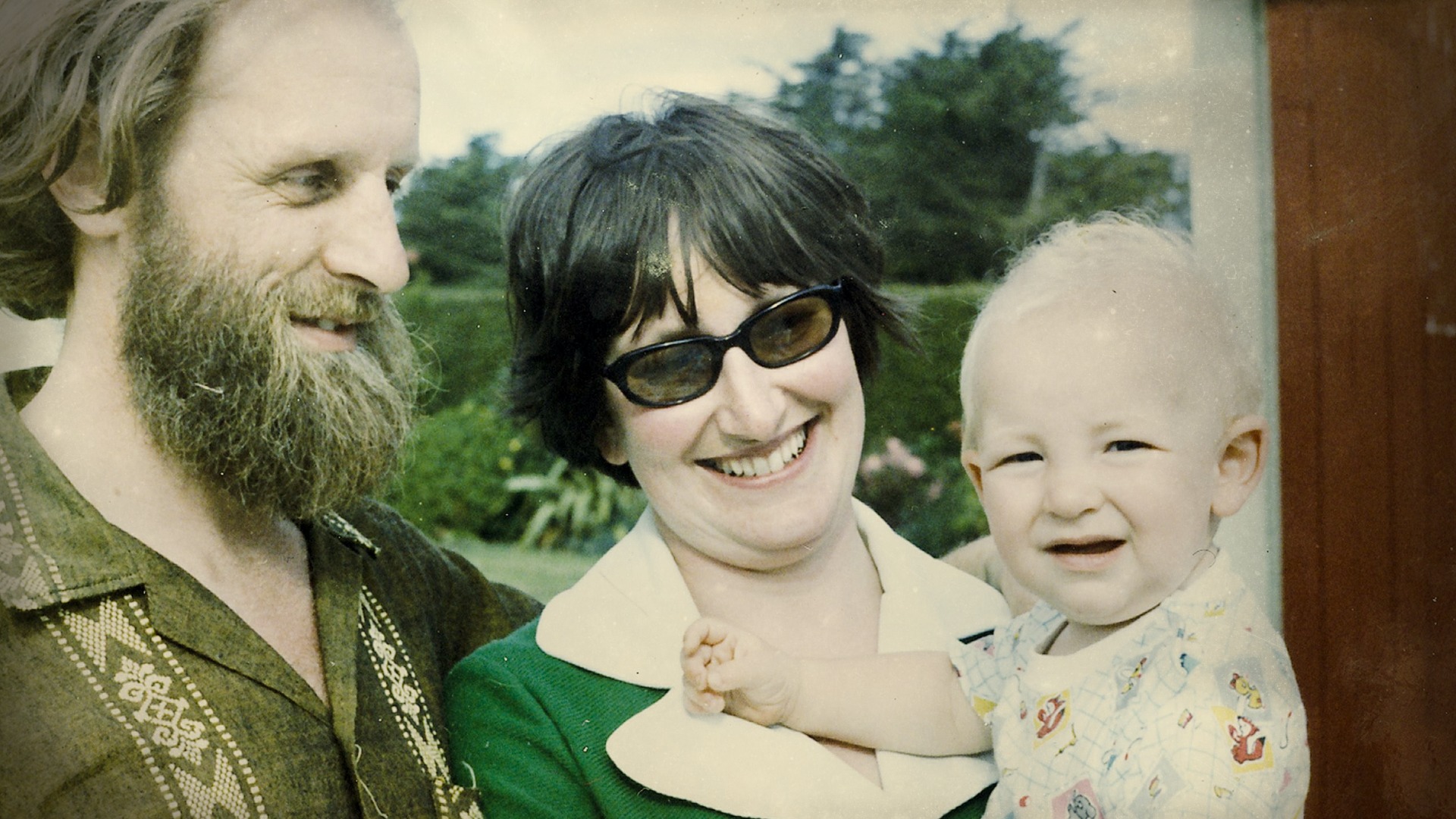
Margaret, the matriarchal maniac, loved Jesus, journaling, and emotional turbulence in equal measure. Her diaries read like scripture written during a sugar crash, full of revelations no one asked for and divine missions that sounded suspiciously like micromanagement. Robin, her husband, took one look at the escalating spiritual theatre and quietly moved into a freezing backyard caravan, where he existed like a man who’d been slowly fading out of his own life for years. David, the eldest, was the intense, socially offbeat choir boy who always seemed tuned to a slightly different frequency. Arawa was the responsible one — normal in a way that almost felt defiant. Stephen was the fighter, the kid whose refusal to go quietly would later define entire forensic debates. Laniet was the haunted one, carrying allegations and confessions that would end up shaping the entire theory landscape.
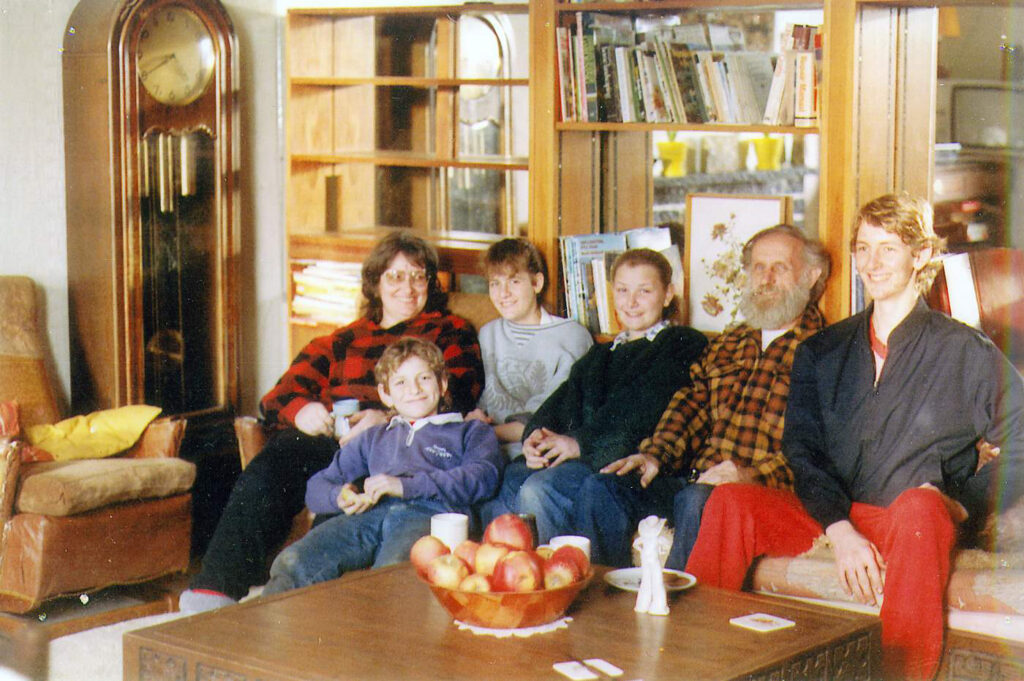
This wasn’t a family. It was a pressure cooker with delusions of grandeur. The household ran on religious fervour, emotional friction, whispered accusations, and the kind of tension that makes the air feel too thick to breathe. Margaret believed she received divine messages about her children. Robin withdrew further every year. The kids navigated between them like survivors of a storm still in progress. Laniet confided things no teenager should ever carry. David retreated deeper into ritual and routine. Even before the murders, the atmosphere felt primed, humming, volatile — the kind of home where something was always going to break. The only questions were who and when.
It starts with a 111 call: a young man, panicked and breathless, telling the operator his family is dead. Police arrive expecting tragedy; they find something much worse. Inside the house, Arawa lies shot in her bedroom. Laniet is killed in a way that feels unsettlingly like an execution. Margaret is slumped as though sleep finally came for her violently. Stephen’s room looks like it survived an exorcism — overturned furniture, blood, marks that scream he fought like hell. And Robin is found in the lounge beside the rifle, his position inviting every interpretation from suicide to staging to cosmic joke.
Then there’s the computer, glowing in the dim light with the message that would become the case’s most famous riddle: “You are the only one who deserved to stay alive.”
It sits there like a sermon written by someone who wanted answers but left only more questions.
David waits outside as officers move through the house. His demeanor, timing, clothing, and story would all be scrutinized and reinterpreted for decades. Nothing in the scene settles. Everything contradicts something else. It’s a crime scene built like a trapdoor: every time you think you’ve found solid ground, it drops you straight into another theory.
This is the loud camp, the caffeinated camp, the camp that sharpened its pitchforks in 1994 and never put them down. They start with David’s morning, the version he insists on: he left early for his paper round, delivered the news, came home to a silent house, showered, and then discovered the bodies. It sounds simple until you time it — until you lay that timeline against Stephen’s violent struggle, the typing of the suicide note, the placement of the bodies, and the mountain of “coincidences” that behave less like accidents and more like plot points.
To this group, the evidence feels cumulative. The glasses. The jumper. The blood patterns. The impossibly neat placement of Robin’s body. The behaviour before and after the murders that never quite aligns with innocence. And, of course, the Black Hands crowd, helmed by Martin van Beynen, who has basically turned “David did it” into an academic discipline.
If coincidence were a crime, David would already be serving a life sentence.
This camp is smaller, quieter, and deeply tragic. They look at Robin — depressed, withdrawn, living in a damp caravan, adrift in a broken marriage — and see a man already halfway gone. They see Laniet’s alleged disclosures and imagine a family on the brink of a nuclear emotional detonation. They look at his body beside the rifle and see the shape of a suicide, a final act meant to wipe out sin and suffering in one apocalyptic sweep. Read the evidence through this lens, and everything reframes itself with Shakespearean bleakness.
But then come the cracks: the angle of the wounds, the gun positioning, the absence of blood where there should be plenty, the inexplicable survival of only one child. Some days Robin looks like the killer. Other days, he looks like the final victim.
If Robin did it, the story becomes Shakespeare. If he didn’t, the story becomes bad fanfiction.
This is the true hell of the Bain case: no theory survives contact with the next piece of evidence. The timeline contradicts the behaviour. The behaviour contradicts the injuries. The injuries contradict the message. The message contradicts the gun. The gun contradicts the computer. And the computer contradicts everything else. Police bungled the scene. Witnesses contradicted themselves. Forensic assumptions shifted with the wind. The trial became theatre. The retrial became religion. New Zealand is still exhausted.
This is less a puzzle than an enduring dilemma.
I’ll say the quiet thing loud: yes — I lean David. Not because of one damning detail, but because of the overall tone of the case. The timing. The inconsistencies. The strange emotional rhythm that feels just slightly wrong, like music played half a beat behind.
But the curse of this case is that the moment you feel certain, the floor gives way. Some days, you read the evidence and swear it has to be Robin. Other days, you’re convinced it could never be Robin. Then there are days you wonder if the house itself did it just to be rid of them.
Whoever pulled the trigger, the rest of us are still trapped inside that house, trying to separate ghosts from guilt. Someone in that family did it. The tragedy is that we’ll never agree on who, and maybe that’s why the case won’t stop breathing. A family implodes, a country picks sides, and thirty years later, no one agrees on anything.
A family so unstable that they were practically vibrating. A crime scene so contradictory it could make a detective weep. A country so split it still hasn’t forgiven itself. The Bain case isn’t a mystery — it’s a migraine with a body count.
Let’s begin.
Image credits: Archival Bain family photographs (photographer unknown)