Chewie's Picks

Featured Posts

 ByChewie
A lesbian, a possible murderer, and a neighbourhood watch meeting gone very wrong.
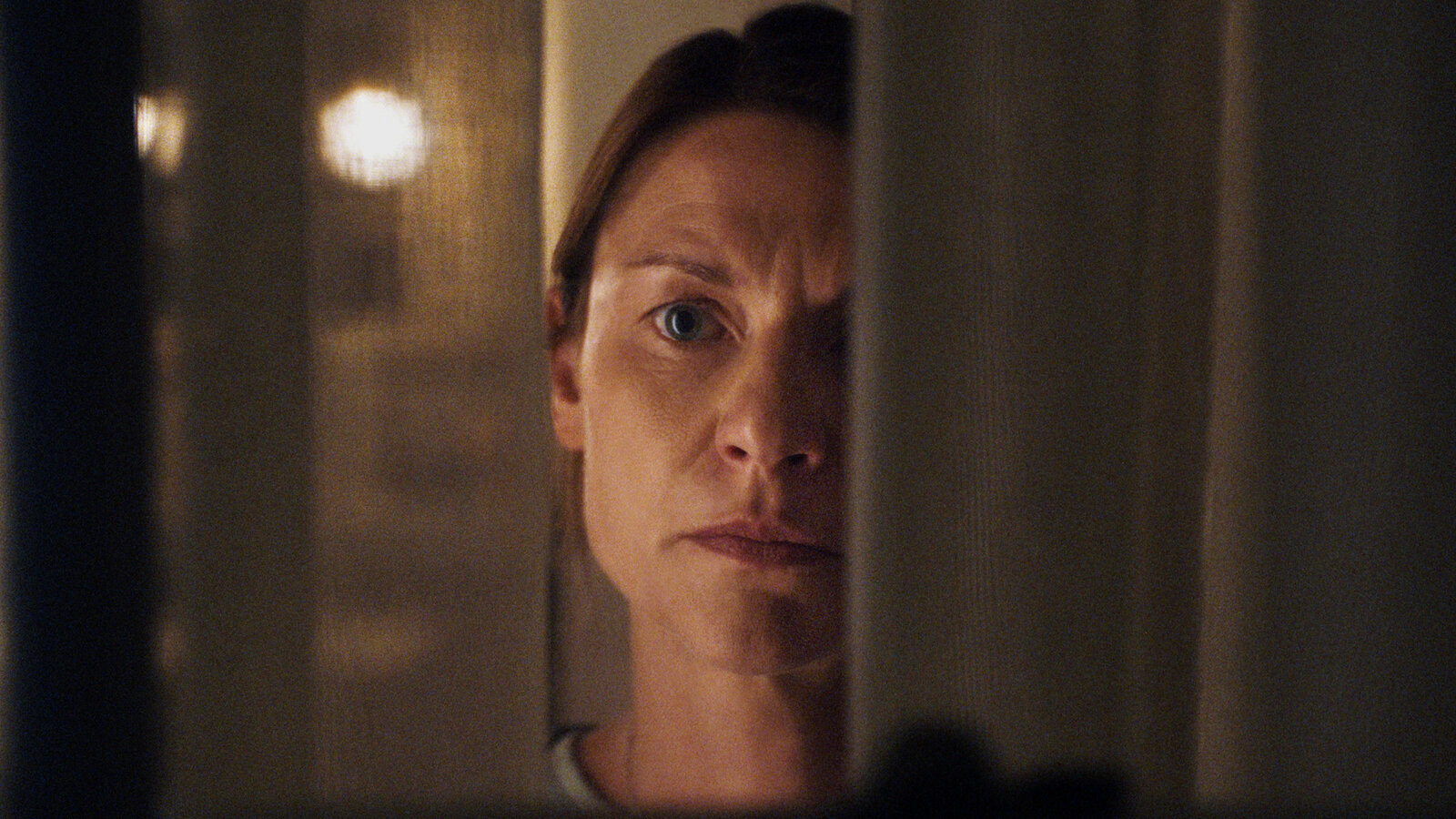
Some shows grab you with a twist. Others grab you by the throat and whisper, “you’re not going anywhere.” The Beast in Me goes for the latter. From the first episode, you’re pulled into a suburbia so emotionally damp and claustrophobic you can practically smell the mildew. And right in the centre of it: Claire Danes, giving the kind of feral, brittle brilliance that makes you think, yes, dismantle my evening plans again.
It’s not quite a thriller, not quite a character study, and not quite a romance — but it is one of the most quietly unhinged things TV has spat out this year. The show is compulsively watchable in that way where you can feel your brain muttering, “don’t trust him,” while your heart mutters, “okay but maybe…”
Let’s break down the anatomy of this suburban spiral.
Atmosphere first, plot second. The Beast in Me builds tension like it’s earning overtime. Everything feels slightly off: the lighting, the pacing, the way people talk to each other like they’re holding back something sharp. It’s all very “emotional tetanus.”
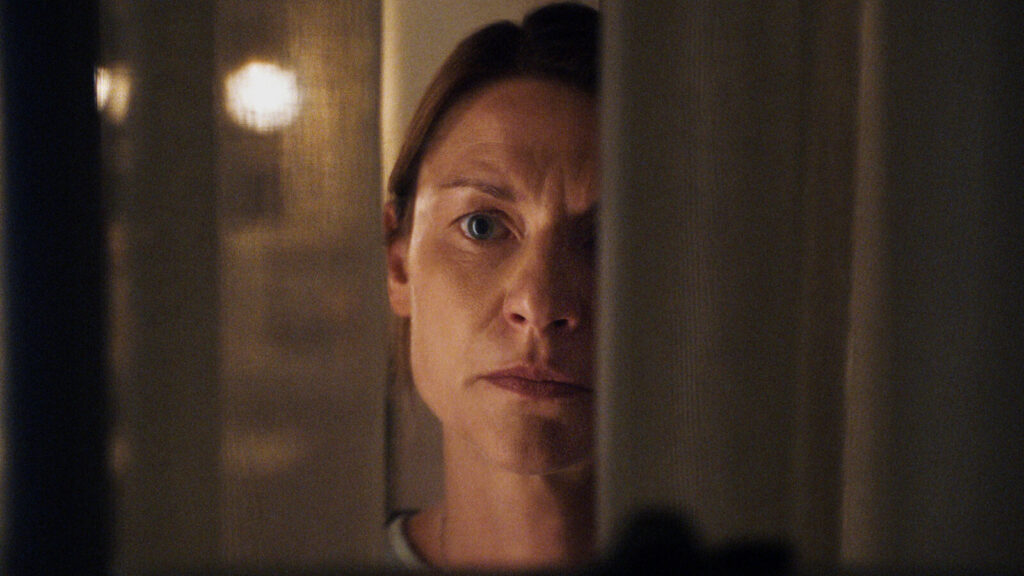
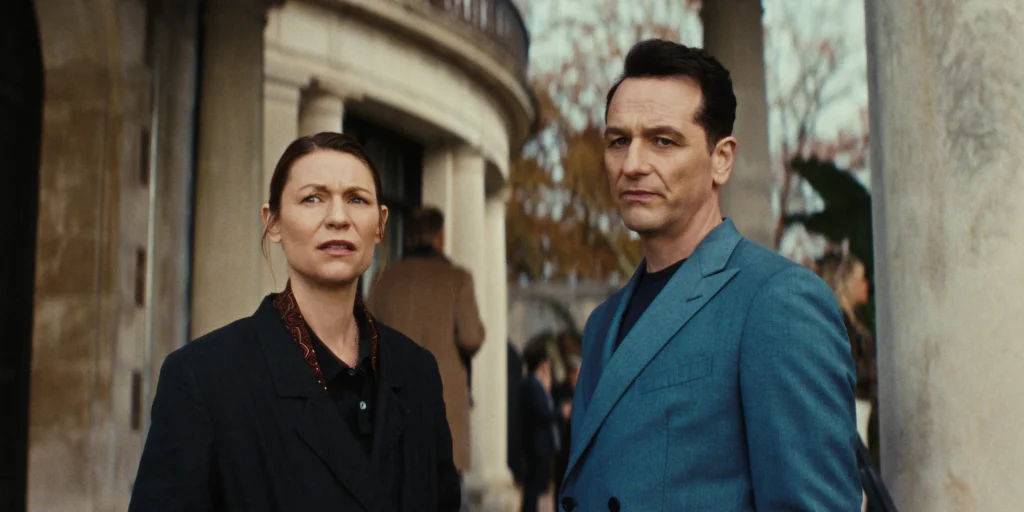
Claire Danes floats into frame with that soft, haunted intensity she’s perfected over the years, like she’s permanently two steps away from a breakdown and three steps away from kissing someone she definitely shouldn’t. Meanwhile, Nile — the neighbour, the husband, the problem — radiates walking red flag energy so convincingly you start checking your locks.
The hook isn’t “what happened?” It’s “why does this feel so wrong already?”
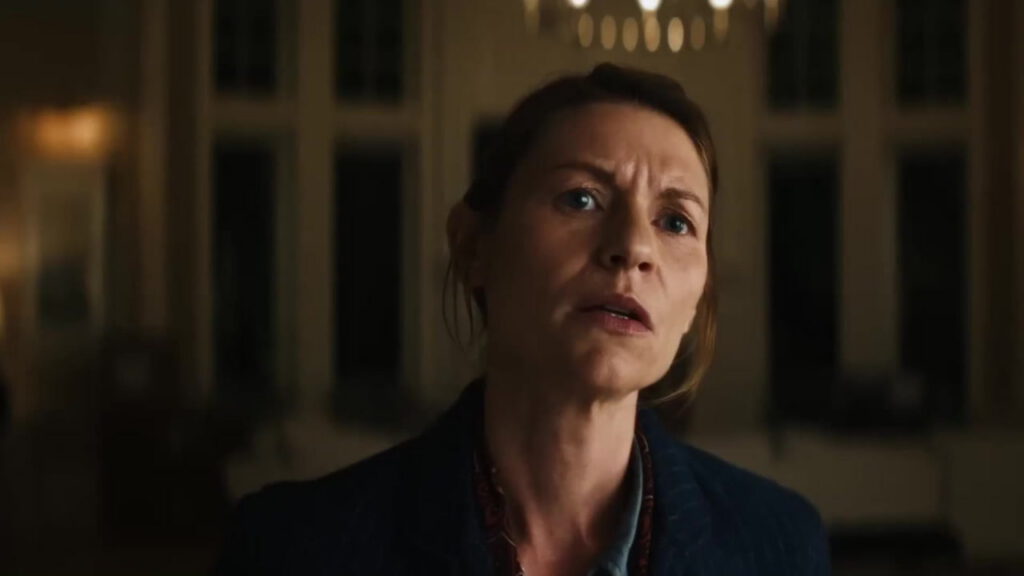
Danes is magnetic here. Every micro-expression feels like a confession she’s too exhausted to give. She has this incredible way of looking both deeply uncomfortable and slightly turned on by danger — a talent I assume she kept from Homeland. The queerness suits her too; it gives her performance a sharper edge, like someone finally sanded her down to her most interesting self.
Her character moves through the series like a woman who keeps smelling smoke but can’t find the fire. Half the time she seems ready to run; the other half, she looks like she’s thinking, “surely one more bad decision won’t kill me.” And honestly, relatable.
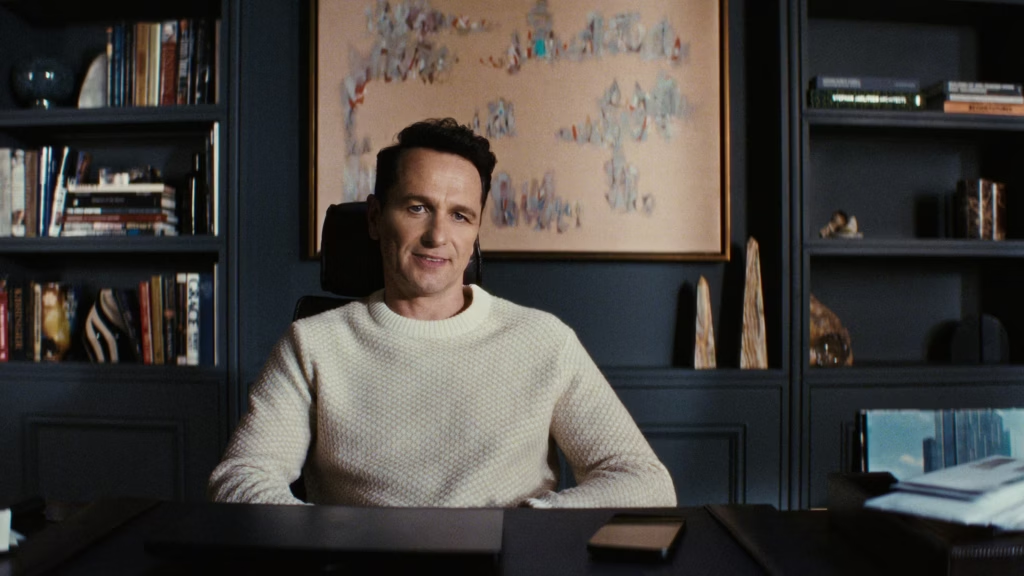
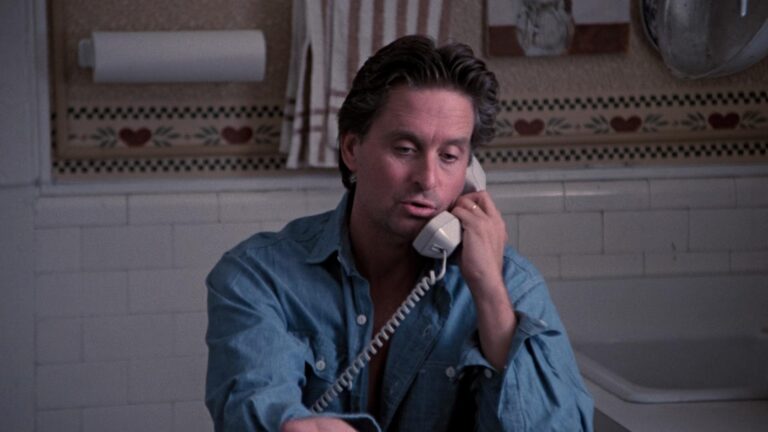
Nile is charming in that specific way men are charming when they know they shouldn’t be. He’s handsome, helpful, vaguely haunted — the holy trinity of “this will end badly.” He’s beguiling in that deeply irritating way where you know better and still lean in a little. There’s a scene where he dances to Talking Heads and you suddenly understand why even the lesbian neighbour has to take a steadying breath.
He’s not a villain, exactly. He’s a gravitational pull. The show never asks you to trust him — it just watches, amused, as you accidentally lean closer.
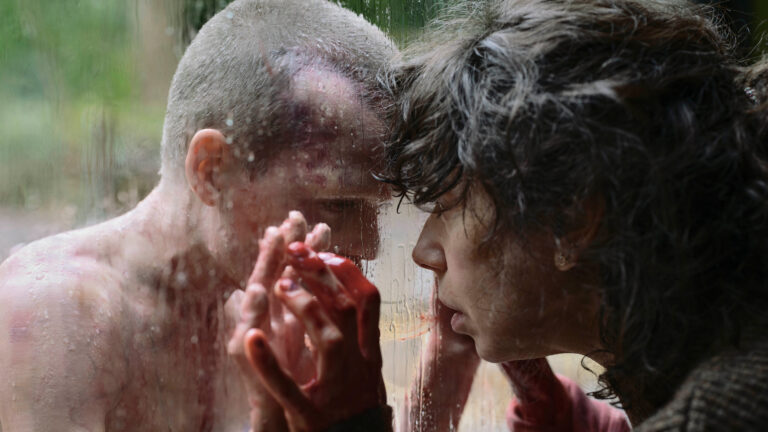
There’s a strange, hungry current between Danes and Nile, and it’s not romantic. It’s not even flirtation. It’s something far more unnerving — a kind of emotional static. A magnetism built from trauma, boredom, and that terrible human instinct to move toward the thing you should absolutely avoid. They orbit each other with this uncanny mixture of loathing, curiosity, and emotional dehydration. It’s messy. It’s uncomfortable. It’s the psychological equivalent of touching a live wire just to feel something sharp.
Whatever ties them together isn’t love. It’s recognition. They’re both too empty and too full at the same time.
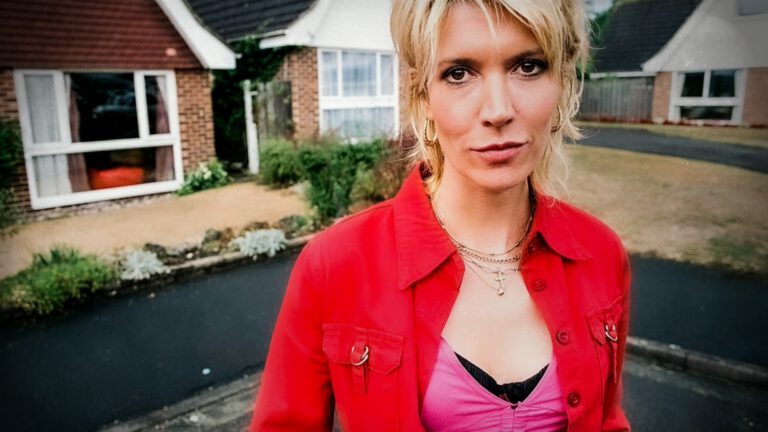
Shelley deserves an award for Outstanding Achievement in Getting on My Nerves. Every line she delivers feels like she’s auditioning for “neighbour you pretend not to see when you’re carrying groceries.” She’s not a bad character — she’s just painfully accurate.
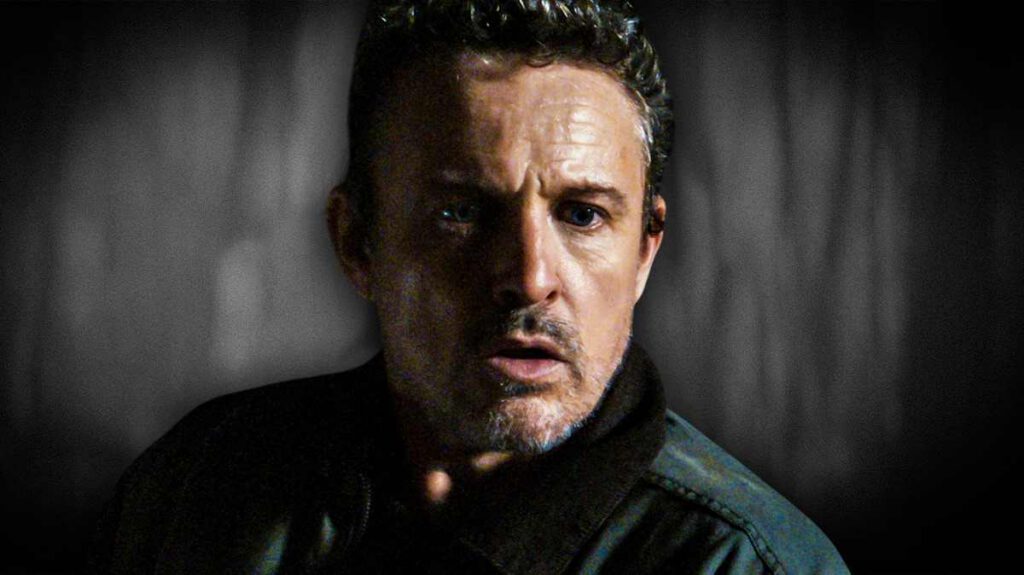
And then there’s Abbot — the alcoholic, haunted, stereotypical FBI man with big “I haven’t processed a single emotion since 2008” energy. He speaks entirely in exposition and misplaced intensity. The man stages an armed dog scene like he’s rehearsing for a community theatre production of Sicario. And the countdown download moment? The way Nile and Nina pull into the driveway at the exact wrong second? It’s operatic stupidity. Beautiful, chaotic, unintentionally comedic cinema.
Everyone in this show contributes to the atmosphere of mild, persistent irritation. It’s almost impressive.
The Beast in Me builds this beautiful, horrible pressure chamber — then, at the last moment, opens a window instead of detonating. It’s not unsatisfying, exactly. It’s just polite. As if the show suddenly remembered there are people out there who like closure.
The “reveal” isn’t really a reveal; you’ve sensed it since episode one. The emotional payoff is almost there, fingers brushing yours, and then… it lets go. Not wrong. Not bad. Just slightly off the voltage you were expecting.
It’s the narrative equivalent of a sneeze that never happens.
Absolutely — but not for the reasons you think. It’s not a murder mystery. It’s not a thriller. It’s a character pressure-cooker where everyone is simmering at just the wrong temperature. The show works because it’s about people who are melting inside their own lives, and about the strange, magnetic pull of someone who sees your damage and doesn’t look away.
It’s messy. It’s uncomfortable. It’s compelling. And it lingers.
In the end, The Beast in Me isn’t here to thrill you; it’s here to remind you that the scariest thing in suburbia is usually your neighbour.
Especially the charming one.
Image credits: The Beast in Me (Netflix)