Chewie's Picks
Featured Posts
 ByChewie
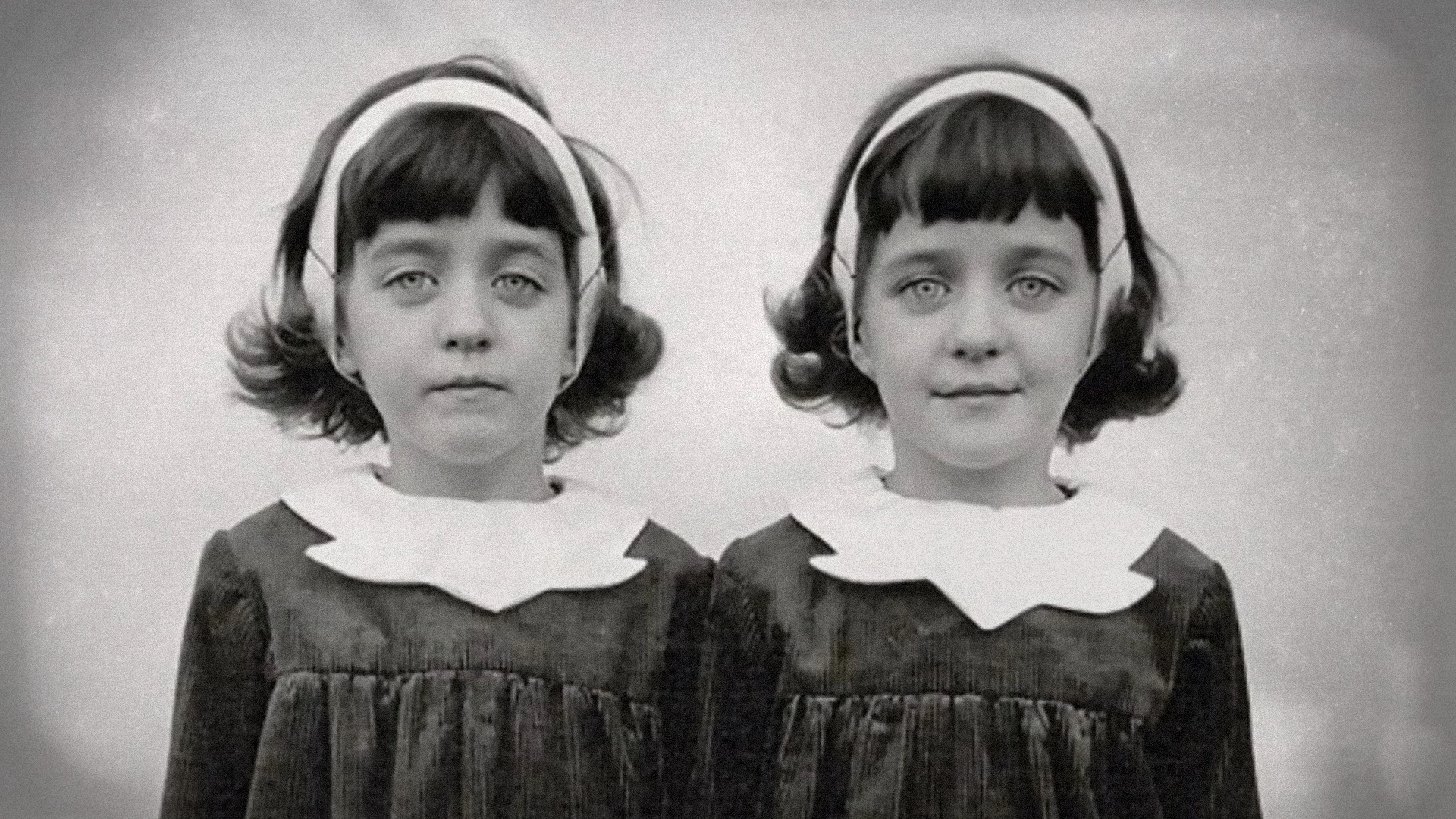
If you’ve never heard of the Pollock Twins — no, they’re not an obscure 80s synth-pop duo whose cassette you pretend to own — they’re Britain’s most unsettling contribution to “children knowing things they absolutely should not know.”
It’s one of those delicious oddities that crawls under your skin because it refuses to settle on an answer. Not paranormal. Not explainable. Just… wrong in all the best ways.
It begins with a tragedy, grows into something uncanny, and ends with two children behaving like they’ve already lived once and didn’t especially enjoy it.
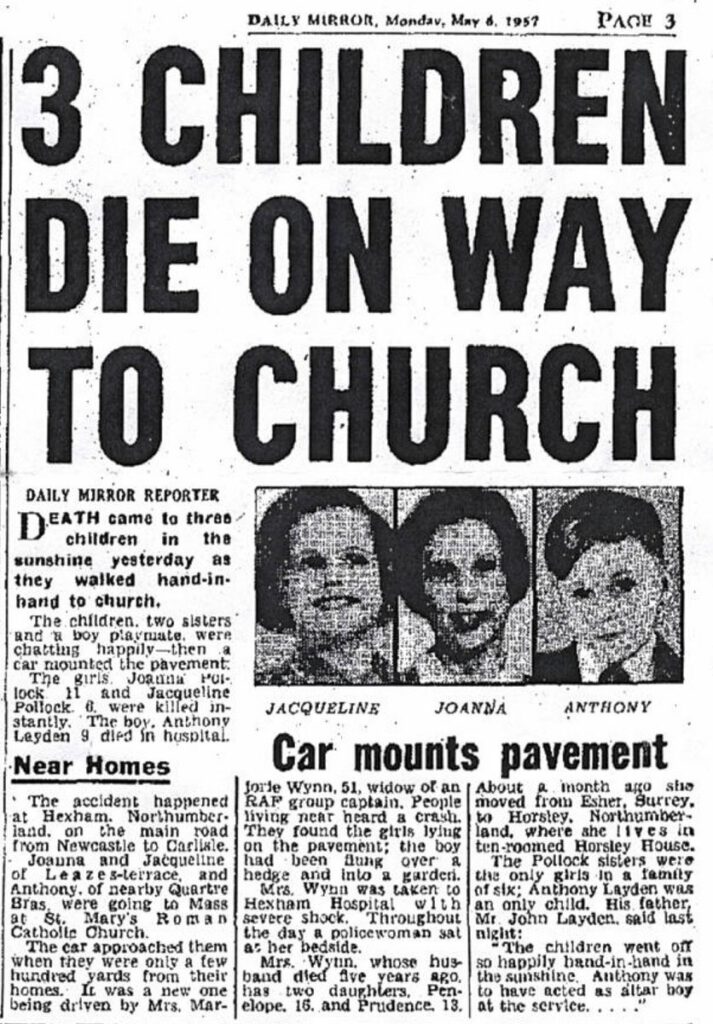
1957, Hexham. Joanna (11) and Jacqueline (6) Pollock are killed instantly in a car accident. Their mother grieves quietly. Their father? He becomes convinced — loudly, stubbornly, unnervingly — that the girls will return. Not metaphorically. Literally. The man is essentially staring grief in the eye and saying, “Sequels happen.”
A year later, when the twins are born, he takes one look at their markings and lights up like the universe just renewed his favourite show for another season. One has Jacqueline’s birthmark. The other has Joanna’s forehead scar. Not proof — but the sort of cosmic wink that makes you wonder whether someone, somewhere, is running a very dark continuity department.
The case moves from tragic to absolutely-not-okay when the twins are toddlers and begin referencing places, toys, habits, fears, and details from the dead girls’ lives with the confidence of tiny Victorian mediums.
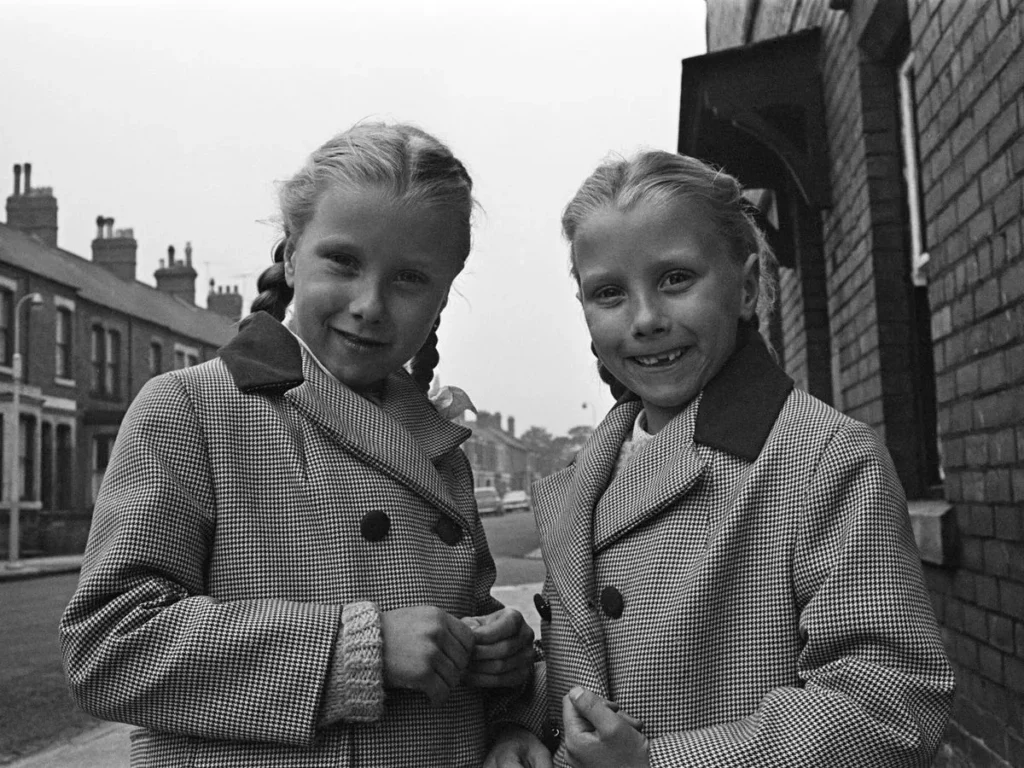
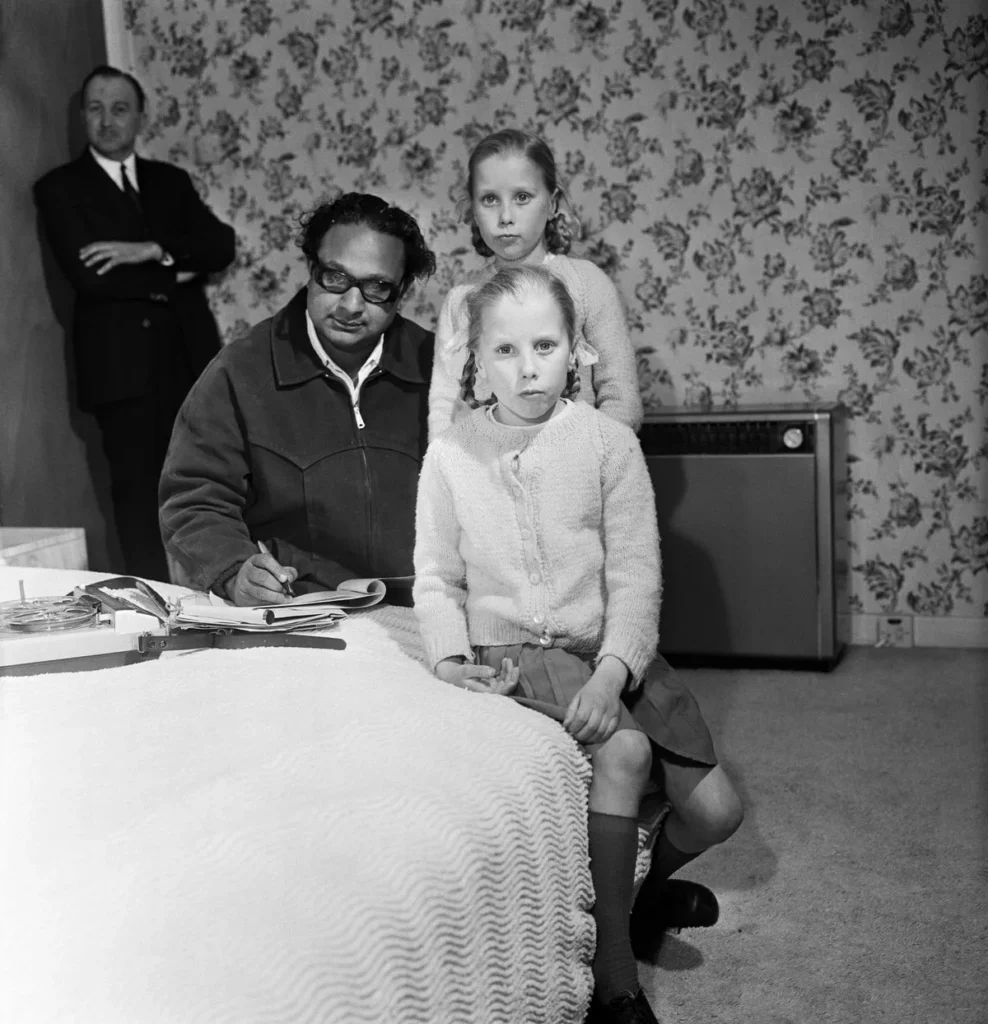
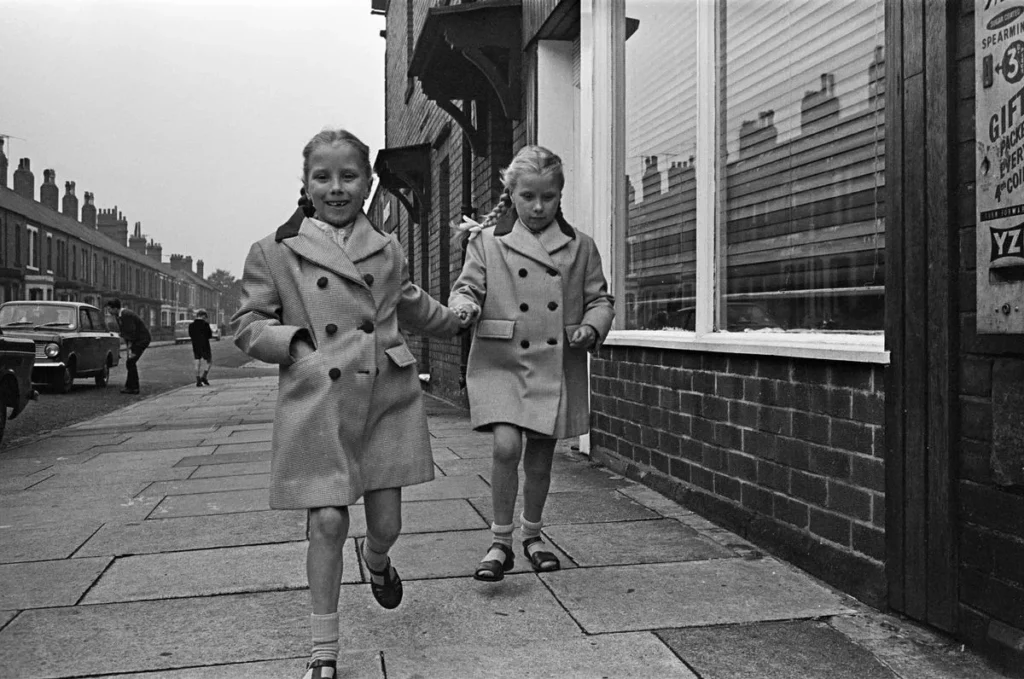
Coincidence? Maybe. But it’s the sort that makes you keep the lights on.
They arrange toys exactly as the original sisters left them. They talk about a school they never attended. They recognise landmarks the parents never pointed out. They refuse to cross roads because of “the car.” They identify rooms in a house they’d never lived in. And their personalities? A near-perfect echo of the dead girls — one calm caretaker, one anxious firecracker.
Kids invent things. Kids mimic adults. Kids imagine. But kids don’t usually recreate the emotional topography of two dead siblings they’ve never met.
At age four, the family moves back to Hexham, and the story fully shifts into its horror era. The twins walk the streets like they’ve been dropped back into a previous life. They point out houses, alleys, and playgrounds with eerie certainty. They recognise neighbours they’ve never seen. And when they spot a car resembling the one from the accident, their entire bodies react — not a polite shriek, but the kind of visceral, full-system terror that makes adults glance at each other like, “So… we’re haunted now, yes?”
These children shouldn’t know these things. Yet here they are. Knowing these things.
Their mother — the skeptic — begins to look as if she’s reconsidering every life choice that led to this moment. Their father looks like a man who thinks the universe just validated his manifesto.
This is where believers and skeptics start swinging something far heavier than handbags — more like the nearest available emotional support frying pan.
Believers say the details are too specific to be coached. Skeptics say children overhear everything and grief has a way of scripting reality. Believers point to the matching scars and birthmarks. Skeptics say genetics is chaos in a trench coat. Believers insist the girls recognised places they’d never been. Skeptics insist memory is a pathological liar.
The maddening part? Every argument is both convincing and collapses the second you look at it sideways.
It’s the rare case where you genuinely don’t know which camp you’re in — you just veer wildly between them like you’re on a paranormal rollercoaster with no seatbelt.
Around age five, the twins’ “past life” behaviour stops abruptly. One day they’re recreating the accident with toys and unsettling emotional accuracy; the next they look blank when asked about any of it.
They grow up. Move on. Remember nothing.
It’s as if someone quietly closed a door behind them. Whatever was happening — psychological, paranormal, grief-driven, cosmic, choose your poison — simply… finished.
And somehow, that silence feels more supernatural than anything that came before it.
The Pollock Twins sit in that exquisite, maddening space between psychology and the paranormal — too uncanny to dismiss, too messy to embrace. It’s grief, coincidence, impossible knowledge, and human desperation swirling together until you can’t tell what belongs to the living and what doesn’t.
It’s not about whether reincarnation is real. It’s about how deep loss cuts. How stories travel through families like smoke. How children sometimes say things that make adults rethink the entire fabric of reality. Gillian and Jennifer didn’t just inherit chromosomes. They inherited a haunting — whether anyone meant them to or not.